Plants Native to Eastern Europe
21 plant profiles · Explore plants native to Eastern Europe, from cold-hardy perennials to culinary herbs, including soil requirements, hardiness zones, and growing tips.
Native plants from Eastern Europe have evolved to endure cold winters down to -30 °C (-22 °F) and warm, continental summers. This geographic region spans temperate mixed forests, river floodplains, and vast open steppes. Many species in this group require distinct seasonal temperature drops, full sunlight, and well-draining soil to thrive in cultivation.
When choosing plants from this region, match your garden's moisture levels to the plant's natural habitat. Wetland species such as sweet flag (Acorus calamus) and garden angelica (Angelica archangelica) require saturated ground along water margins. Conversely, drought-tolerant species like dwarf iris (Iris pumila), mountain alyssum (Alyssum montanum), and dwarf Russian almond (Prunus tenella) need sharply draining, alkaline soil and full sun exposure.
For culinary beds, cool-season herbs like chervil (Anthriscus cerefolium) and Moldavian balm (Dracocephalum moldavica) thrive in spring and autumn temperatures between 10–20 °C (50–68 °F). Evergreen trees such as Scots pine (Pinus sylvestris) provide structural windbreaks and tolerate poor, sandy soils across USDA hardiness zones 3 through 7.

Black Cumin
Nigella sativa
☀️ Full Sun 💧 Moderate

Chervil
Anthriscus cerefolium
☀️ Partial Shade 💧 High

Dwarf Iris
Iris pumila
☀️ Full Sun 💧 Low

Dwarf Russian Almond
Prunus tenella
☀️ Full Sun 💧 Low

Garden Angelica
Angelica archangelica
☀️ Partial Sun 💧 High

Hens-And-Chickens House-Leek
Sempervivum globiferum
☀️ Full Sun 💧 Low

Herbaceous Periwinkle
Vinca herbacea

Iberian Spirea
Spiraea hypericifolia
☀️ Full Sun 💧 Low

Leafless Iris
Iris aphylla
☀️ Full Sun 💧 Low

Moldavian Balm
Dracocephalum moldavica
☀️ Full Sun 💧 Moderate

Mountain Alyssum
Alyssum montanum
☀️ Full Sun 💧 Low

Nodding Sage
Salvia nutans

Northern Dock
Rumex longifolius
☀️ Full Sun 💧 Moderate

Rye
Secale cereale
☀️ Full Sun 💧 Moderate

Scots Pine
Pinus sylvestris
☀️ Full Sun 💧 Low

Siberian Iris
Iris sibirica
☀️ Full Sun 💧 High
Stemless Carline Thistle
Carlina acaulis
☀️ Full Sun 💧 Low
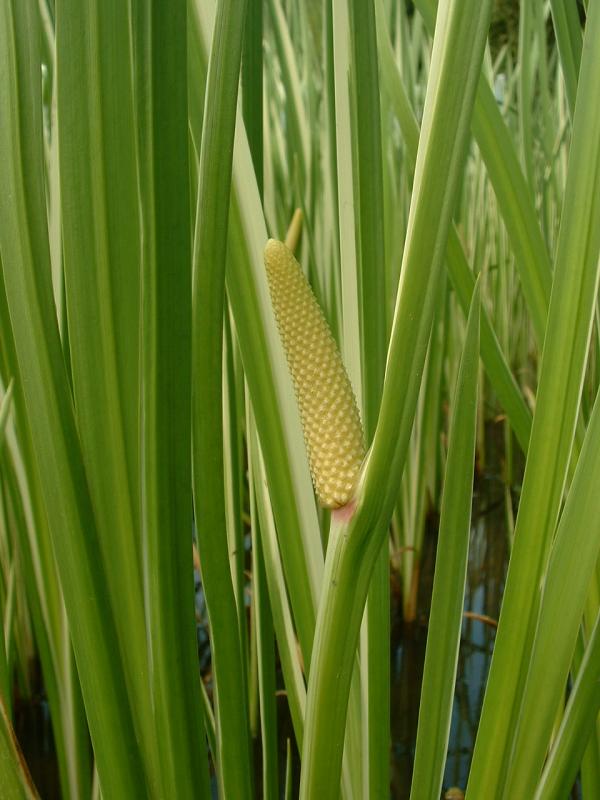
Sweet Flag
Acorus calamus
☀️ Full Sun 💧 Aquatic
Sweet Wormwood
Artemisia annua
☀️ Full Sun 💧 Moderate

Syrian Bean-Caper
Zygophyllum fabago
☀️ Full Sun 💧 Low

Twisted-Leaf Garlic
Allium obliquum
☀️ Full Sun 💧 Low
Common Questions
Which Eastern European plants grow well in cold climates?
Scots pine and dwarf iris survive winter extremes down to -40 °C (-40 °F) across USDA hardiness zones 3 through 7. Most native species from this region rely on winter chilling hours to break dormancy and trigger spring growth.
Do Eastern European native plants require full sun?
Most species from this region require at least 6 hours of direct sun daily to bloom and maintain dense foliage. Shade-tolerant exceptions include chervil and sweet flag, which grow naturally along woodland borders and shaded stream beds.
How do you care for Eastern European perennials in winter?
Leave Eastern European perennials outdoors year-round because they require winter freezing temperatures to reset their growth cycle. Keep the soil relatively dry during winter dormancy to prevent crown rot while roots are inactive.