
Sweet wormwood is a fast-growing annual herb in the Asteraceae family, native to temperate Asia but now naturalised across North America and Europe. Known scientifically as Artemisia annua, it is distinguished by its intense, sweet fragrance and feathery, bright green foliage.
You will find this plant reaches its full height in a single summer, often towering over other herbs. It produces small, yellowish-green flower heads in late summer that release large quantities of pollen, which can affect those with hay fever.
Key Facts
- Type: Annual herb
- Height: 1–2 m (3.3–6.6 ft)
- Scent: Strong, sweet, camphor-like
- Light: Full sun required
- Soil: Well-drained, sandy to loamy
The Role of Sweet Wormwood in Your Garden
Sweet wormwood requires a large amount of vertical space, as it can grow from a tiny seed to a 2 m (6.5 ft) tall specimen in under five months. It is an excellent choice for the back of a border or as a temporary summer hedge. The fine texture of the leaves provides a neutral backdrop for flowering perennials like purple coneflower (Echinacea purpurea).
You should place it where you can appreciate the scent, as the leaves release a sweet, spicy aroma when touched. It is not a plant for small containers or cramped spaces. Because it is an annual, you must allow some plants to go to seed if you want them to return the following year.
Identifying Sweet Wormwood and Its Growth Habit
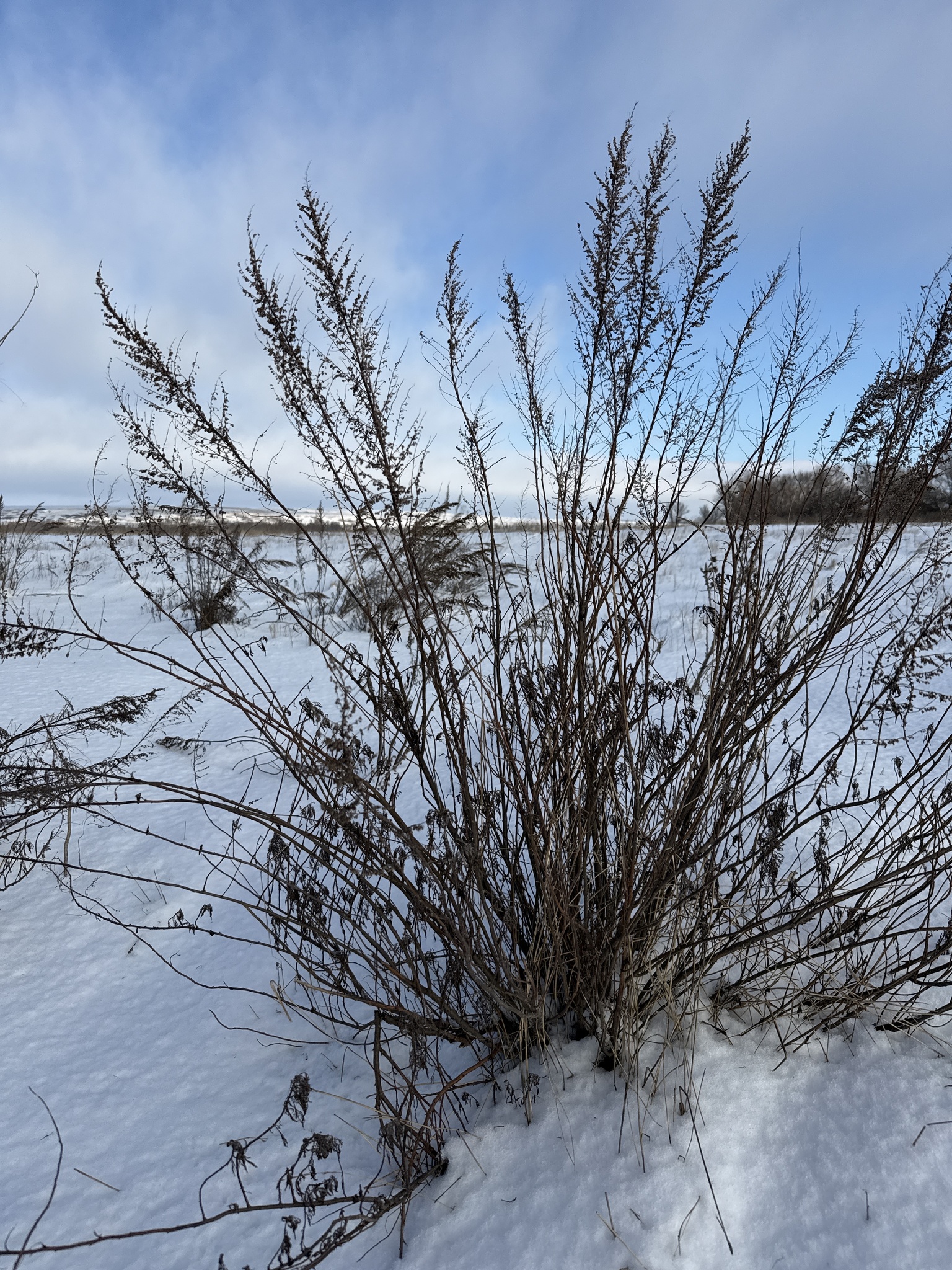
Sweet wormwood is an upright, branched annual with bright green, deeply divided leaves that resemble fern fronds. The stems are typically brownish or violet-red and become woody at the base as the season progresses. The leaves are 2–5 cm (0.8–2 in) long and are arranged alternately along the stem.
The flowers are inconspicuous, consisting of tiny, nodding yellowish-green heads about 2 mm (0.08 in) in diameter. Unlike many other wormwoods, the foliage is not silvery or grey. The plant maintains a pyramidal shape, similar to a small coniferous tree, until it begins to branch out heavily in mid-summer.
Light and Soil Requirements for Sweet Annie
This herb performs best in full sun and well-drained soil with a pH between 5.5 and 7.5. While it can tolerate poor soil, it will reach its maximum height and oil production in loamy earth. Avoid waterlogged sites, as the roots are prone to rot in standing water.
- Sunlight: At least 6–8 hours of direct light daily.
- Soil Type: Sandy loam is ideal for root development.
- Drainage: High; the plant is drought-tolerant once established.
- Fertility: Low to moderate; excess nitrogen reduces the aromatic oil concentration.
Starting Sweet Wormwood from Seed
You must surface-sow the seeds in early spring because they require light to germinate. Do not cover them with soil; simply press them gently into the surface of a moist seed-starting mix. Germination typically occurs within 10–21 days when temperatures are maintained at 20 °C (68 °F).
Because the seeds are dust-like, mixing them with fine sand can help you achieve even distribution. You can start them indoors 6–8 weeks before the last frost or sow them directly outside once the soil has warmed. Thin the seedlings to a distance of 60–90 cm (2–3 ft) to allow for their wide mature spread.
Watering and General Maintenance
Water the plants once or twice a week during the first month of growth to establish a deep root system. Once Sweet Annie reaches 30 cm (12 in) in height, it becomes significantly more drought-resistant. You only need to supplemental water during prolonged dry spells or if the lower leaves begin to wilt and turn brown.
Mulching with organic matter can help retain soil moisture and suppress weeds that compete for nutrients. You do not need to stake the plants unless they are in an exceptionally windy location, as the central woody stem is quite strong. Pruning the tips when the plant is 45 cm (18 in) tall will encourage a bushier habit.
When and How to Harvest Sweet Wormwood
Harvest the foliage just before the flower buds open to ensure the highest concentration of aromatic oils and artemisinin. This usually occurs in late summer. Cut the entire plant at the base or harvest individual side branches if you only need small amounts.
- Timing: Morning after the dew has dried for best oil retention.
- Method: Use sharp shears to cut stems 10 cm (4 in) above the ground.
- Selection: Choose healthy, bright green stems without powdery mildew.
- Frequency: One major harvest per season, as it is an annual.
Traditional Uses and Sweet Wormwood Tea
Sweet wormwood has been traditionally used for over 2,000 years in Chinese medicine to treat fevers. It contains artemisinin, a compound that became the basis for modern anti-malarial treatments. In the garden, the dried stems are frequently used in floral arrangements and wreaths due to their long-lasting fragrance.
People often brew the dried leaves into a bitter tea or create tinctures. While used historically for digestive issues and internal parasites, you should exercise caution as the safety of long-term consumption is not well-established. The plant is also used as a natural moth repellent in closets and drawers.
Sweet Wormwood vs Common Wormwood
You can distinguish Artemisia annua from common wormwood (Artemisia absinthium) by its bright green colour and annual life cycle. Common wormwood is a perennial with distinct silvery-grey, silky leaves. While both have a strong scent, Sweet Annie is much sweeter and less acrid than its perennial relative.
Roman wormwood (Artemisia pontica) is another similar species, but it is much smaller and spreads via underground runners. Artemisia annua always grows from a single central taproot. If the plant returns from the same roots the following spring, it is not sweet wormwood.
Drying and Storing Your Harvest
Dry the stems by hanging them upside down in a dark, well-ventilated room for 2–3 weeks. Avoid direct sunlight during the drying process, as UV rays break down the active compounds and cause the leaves to turn brown. Once the leaves are brittle and the stems snap easily, they are ready for storage.
Strip the leaves from the woody stems and store them in airtight glass jars. Keep the jars in a cool, dark cupboard to preserve the scent for up to one year. If you are using the plant for crafts, you can harvest the stems when the tiny yellow flowers are just beginning to show for the best visual appeal.
Year-Round Management of Sweet Annie
| Spring | Sow seeds on the soil surface indoors or direct sow after the last frost. Thin seedlings to 60 cm (24 in) apart once they have two sets of true leaves. |
|---|---|
| Summer | Water during dry periods and mulch the base. Pinch out the growing tips in early summer to encourage branching and increase foliage yield. |
| Autumn | Harvest the entire plant before the first hard frost. Allow a few plants to drop seeds if you want volunteer seedlings to appear next spring. |
| Winter | Remove dead stalks from the garden to prevent pest overwintering. Store dried leaves in airtight containers away from light. |
Common Sweet Wormwood Growing Problems
| What you see | Likely cause | What to do |
|---|---|---|
| White powdery spots on leaves | Powdery mildew | Improve air circulation and avoid overhead watering. |
| Yellowing lower leaves and wilting | Overwatering or poor drainage | Reduce watering frequency and ensure the soil dries out between applications. |
| Stunted growth and pale foliage | Lack of sunlight | Move the plant to a location with at least 6 hours of direct sun. |
Sweet Wormwood Selections
- Anamed (A-3) – a selection bred for high artemisinin content
- Sweet Annie – the standard aromatic variety used in crafts
Frequently Asked Questions
What are the benefits of sweet wormwood?
Sweet wormwood is primarily known for containing artemisinin, used in treating malaria, and has been traditionally used to reduce fevers and treat digestive parasites. It is also valued for its sweet fragrance in potpourri and crafts.
Is sweet wormwood safe to drink as tea?
While sweet wormwood tea is used traditionally, it is very bitter and can cause side effects like nausea or dizziness if consumed in high doses. Consult a healthcare professional before use, especially if pregnant or taking medication.
How do I use sweet wormwood for parasites?
Traditionally, dried leaves were prepared as an infusion or tincture, but modern medical treatments are generally preferred for safety and accuracy. Always seek professional advice rather than self-treating for parasites.
Can I grow sweet wormwood in a pot?
Yes, but you need a very large container, at least 15–20 litres (4–5 gallons), to accommodate its rapid growth and tall stature. Ensure the pot has excellent drainage holes.
Does sweet wormwood come back every year?
No, it is a true annual plant that dies after flowering and setting seed. However, it often self-seeds vigorously, so new seedlings may appear in the same spot the following spring.
Information about traditional or historical uses is provided for educational interest only and is not medical advice. Do not use any plant to treat a condition without speaking to a qualified professional.
Sources & Verification
Taxonomy and distribution are checked against the databases below. Care guidance is written for cultivated species only and reviewed by our editor. How We Build Plant Profiles →
More in Artemisia

Mugwort
Artemisia vulgaris
☀️ Full Sun 💧 Moderate
Southernwood
Artemisia abrotanum
☀️ Full Sun 💧 Low

Wormwood
Artemisia absinthium
☀️ Full Sun 💧 Low

Chinese Mugwort
Artemisia argyi
☀️ Full Sun 💧 Moderate

Tarragon
Artemisia dracunculus
☀️ Full Sun 💧 Low

Capillary Wormwood
Artemisia capillaris
☀️ Full Sun 💧 Low