

Capillary wormwood is a perennial herb native to East Asia, primarily recognized by its delicate, silver-green foliage that resembles fine hair. Belonging to the Artemisia capillaris species, it is a staple in traditional herbalism and modern skincare formulations.
While related to common wormwood, this species is specifically harvested in early spring before its stems become woody and lose their chemical potency. It thrives in coastal sands and rocky slopes, making it a resilient choice for gardeners with well-draining, poor soils.
Key Facts
- Light: Full sun for 6-8 hours daily
- Soil: Sandy or rocky with perfect drainage
- Harvest: Gather young sprouts in early spring
- Size: Reaches 30-100 cm (12-39 in) tall
- Hardiness: Survives temperatures down to -20 °C (-4 °F)
Growing Capillary Wormwood in Your Garden
Capillary wormwood is a hardy perennial that suits dry, sunny spots where other herbs might struggle. You should choose this plant if you have sandy soil and want a low-maintenance medicinal herb that returns every year. It reaches a height of 30-100 cm (1-3.3 ft) and develops a woody base as it matures.
Because it spreads via rhizomes, it can fill a gap in a rock garden or a dedicated herb bed within two seasons. It is particularly well-suited to coastal gardens because it tolerates salt spray and high winds better than broader-leafed herbs like basil (Ocimum basilicum). Once established, it requires very little intervention beyond an annual prune.
Identifying Capillary Wormwood
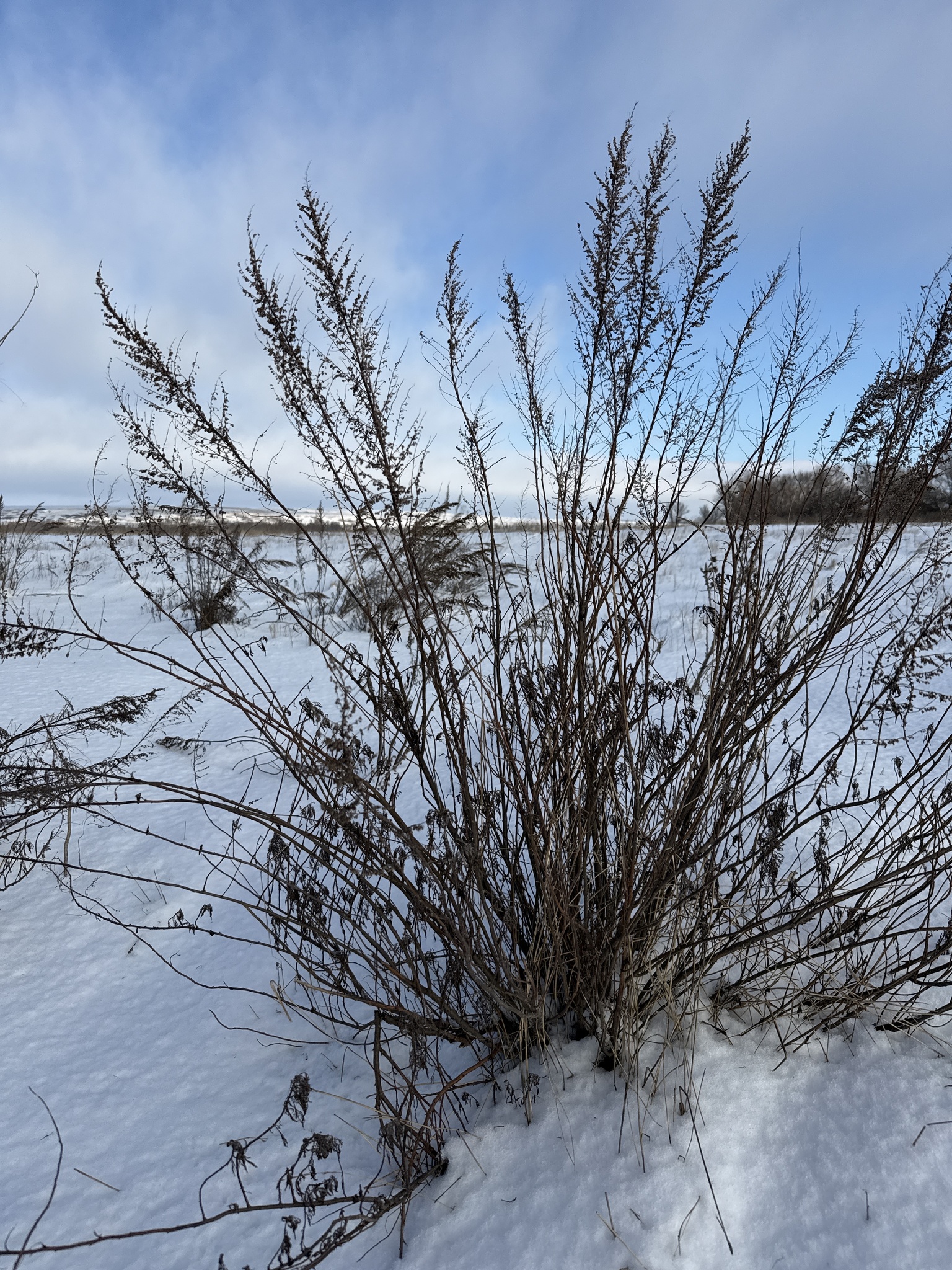
This species is characterized by its exceptionally fine, thread-like leaves that give the plant a soft, feathery appearance. The foliage starts as a rosette of silver-green leaves in early spring before sending up erect, branching stems. Unlike many other wormwoods, the leaves of this species are so thin they appear almost like hair, hence the name capillary.
- Leaves: Lower leaves are 1-3 cm (0.4-1.2 in) long and pinnately divided into hair-like segments.
- Flowers: Tiny, yellow-green flower heads appear in late summer, measuring only 1-2 mm (0.04-0.08 in) across.
- Habit: A multi-stemmed subshrub that becomes globose or spreading as it ages.
- Stems: Young stems are often purplish and covered in fine downy hairs, turning brown and woody at the base.
Ideal Growing Conditions for Artemisia capillaris
Capillary wormwood requires full sun and excellent drainage to prevent its roots from rotting during wet winters. It thrives in poor, sandy, or gravelly soils with a pH between 6.0 and 7.5. Avoid planting it in heavy clay or areas where water pools after rain, as the root system is highly susceptible to fungal pathogens in anaerobic conditions.
While it is drought-tolerant, providing 2.5 cm (1 in) of water per week during its first summer helps establish a deep root system. In its native habitat, it often grows on slopes, so planting it on a slight mound can improve drainage in flatter garden beds. It is hardy down to USDA zone 5, meaning it can survive winters with temperatures as low as -20 °C (-4 °F).
Sowing and Planting Yin Chen Hao
Sow seeds on the soil surface in early spring, as they require light to germinate. Do not cover the seeds with soil; instead, press them gently into the medium to ensure good contact. Germination typically occurs within 14-21 days when temperatures are maintained between 15-20 °C (59-68 °F).
- Space individual plants 45-60 cm (18-24 in) apart to allow for their spreading habit.
- Use a seed-starting mix that is 50% perlite or coarse sand to ensure maximum drainage.
- Keep the soil surface misted but not saturated until the first true leaves appear.
- Transplant seedlings outdoors only after the danger of hard frost has passed.
Harvesting Capillary Wormwood in April
The phrase “Artemisia capillaris in April” refers to the timing of harvest, as the plant’s medicinal properties are highest in early spring. In traditional practice, the young seedlings are gathered in March or April when they are only 5-10 cm (2-4 in) tall. At this stage, the plant is known as Yin Chen and is at its most tender and chemically potent.
Use sharp scissors to snip the soft tops, leaving the root system intact for regrowth. Avoid harvesting once the plant begins to bolt in late May, as the flavor becomes unpleasantly bitter and the stems become too fibrous for use. For the best quality, harvest in the morning after the dew has dried but before the sun is at its peak.
Traditional Uses and Skin Benefits
Traditionally used in East Asian medicine, capillary wormwood was frequently prepared as a bitter tea to support liver health and treat jaundice. The plant contains capillarisin and various essential oils that were historically valued for their anti-inflammatory effects. Today, the extract is a common ingredient in skincare products, specifically targeting redness and sensitive skin.
In cosmetic formulations, the extract is used to soothe irritation and provide antioxidant protection against environmental stressors. In the kitchen, the very young, tender shoots are sometimes blanched and used in rice cakes or salads in Korea and Japan. However, the primary value remains its medicinal and topical applications rather than as a bulk vegetable.
Common Growing Problems
The most frequent issue for this species is root rot, caused by overwatering or poorly draining soil. If the silver-green leaves begin to turn yellow and the base of the stem feels soft, immediately reduce watering and check the soil’s drainage. Powdery mildew can also occur in humid climates with poor air circulation, appearing as white, flour-like spots on the fine leaves.
- Yellowing lower leaves: Usually indicates the soil is staying too wet for too long.
- Leggy growth: A sign the plant is not receiving enough direct sunlight.
- Aphids: These small insects may cluster on new spring growth; wash them off with a sharp stream of water.
- Stunted growth: Often occurs if the soil is too rich in nitrogen, which encourages weak, floppy stems.
Year-Round Care for Capillary Wormwood
| Spring | Harvest young sprouts in March and April when they are 5-10 cm (2-4 in) tall. Sow new seeds on the surface of sandy soil. |
|---|---|
| Summer | Provide occasional deep watering during prolonged dry spells. Monitor for powdery mildew if humidity is high. |
| Autumn | Collect seeds from the dried flower heads in October. Allow the plant to naturally die back as temperatures drop. |
| Winter | Cut back dead, woody stems to 5 cm (2 in) above the ground level to encourage fresh growth in the spring. |
Why Is My Yin Chen Hao Struggling?
| What you see | Likely cause | What to do |
|---|---|---|
| Yellow, wilting leaves at the base | Overwatering or poor drainage | Reduce watering and move the plant to a sandier soil mix. |
| White powdery coating on foliage | Powdery mildew | Increase spacing between plants and avoid overhead watering. |
| Sparse, weak stems | Insufficient light | Ensure the plant receives at least 6 hours of direct sun daily. |
Distinguishing Capillary Wormwood from Similar Species
Identify capillary wormwood by its hair-thin leaf segments, which distinguish it from the wider, fern-like leaves of sweet wormwood (Artemisia annua). While both are used medicinally, sweet wormwood is an annual with a much stronger, sweet scent and taller, more upright growth. Common wormwood (Artemisia absinthium) has much broader, silver-grey leaves and a more intense, pungent aroma.
Another similar species is Japanese mugwort (Artemisia princeps), which is often confused with it in East Asian markets. However, Artemisia princeps has distinctively lobed, broader leaves and a more aggressive spreading habit. When identifying Artemisia capillaris in the wild, look for the purplish tint on the young stems and the globose, bushy shape of the mature plant.
Frequently Asked Questions
What does 'Artemisia capillaris in April' mean?
It refers to a traditional Chinese proverb stating that the plant is medicine in the third lunar month (April) but becomes mere grass or fuel by the fourth month. This emphasizes that the medicinal potency is highest in early spring before the plant becomes woody.
What are the skin benefits of capillary wormwood extract?
The extract is widely used in skincare for its anti-inflammatory and antioxidant properties. It helps soothe redness, calm sensitive skin, and protect against environmental damage, making it a popular ingredient in K-beauty products.
Can I drink capillary wormwood tea every day?
While traditionally used for liver health, you should consult a professional before regular use. The tea is quite bitter and was historically used as a targeted treatment rather than a daily beverage.
How do I tell the difference between capillary wormwood and mugwort?
Capillary wormwood has extremely fine, thread-like leaves, whereas common mugwort (Artemisia vulgaris) has much broader, deeply lobed leaves with a silvery underside. Capillary wormwood also tends to have a more delicate, feathery appearance.
Is capillary wormwood easy to grow from seed?
Yes, provided you do not cover the seeds with soil. They require light to germinate and should be pressed onto the surface of a well-draining, sandy starting mix in early spring.
Information about traditional or historical uses is provided for educational interest only and is not medical advice. Do not use any plant to treat a condition without speaking to a qualified professional.
Sources & Verification
Taxonomy and distribution are checked against the databases below. Care guidance is written for cultivated species only and reviewed by our editor. How We Build Plant Profiles →
More in Artemisia

Chinese Mugwort
Artemisia argyi
☀️ Full Sun 💧 Moderate

Wormwood
Artemisia absinthium
☀️ Full Sun 💧 Low
Sweet Wormwood
Artemisia annua
☀️ Full Sun 💧 Moderate

Big Sagebrush
Artemisia tridentata
☀️ Full Sun 💧 Low

Tarragon
Artemisia dracunculus
☀️ Full Sun 💧 Low
Southernwood
Artemisia abrotanum
☀️ Full Sun 💧 Low