

Wormwood (Artemisia absinthium) is an aromatic herbaceous perennial native to North Africa and temperate Eurasia, recognized by its silver-grey dissected foliage and sharp herbal scent. It forms a woody-based mound reaching up to 1.2 m (4 ft) tall in open ground.
The plant secretes absinthin, a chemical that stunts nearby vegetables like fennel and beans, so isolate it along garden perimeters. Wet winter soil kills the crown faster than freezing temperatures down to -35 °C (-31 °F).
Key Facts
- Light: Full sun (minimum 6 hours daily)
- Water: Low; allow top 5 cm (2 in) to dry
- Soil: Lean, gritty, neutral to alkaline pH 6.5–7.5
- Hardiness: USDA Zones 4 to 9
- Harvest: Upper foliage and flower stems in midsummer
- Toxicity: Toxic to cats, dogs, and horses if ingested
Growing Wormwood in the Garden
Wormwood thrives in hot, exposed positions where poorer soil prevents competitive weeds from gaining ground. It requires full sun and sharp drainage to keep its root system healthy through seasonal shifts.
Because the roots release absinthin into the ground, keep it separated from vegetable beds by at least 1 m (3.3 ft). Companion plantings of fennel (Foeniculum vulgare), caraway (Carum carvi), and bush beans will experience stunted growth if placed within its root zone.
- Position on boundary fences, gravel beds, or dedicated herb walks.
- Space plants 60–90 cm (24–36 in) apart to allow for mature spread.
- Avoid damp hollows or heavy clay soil with standing water.
Wormwood Plant Identification and Appearance
Identify common wormwood by its silky, silvery-white hairs covering both grooved stems and deeply divided foliage. Crushing any leaf releases a pungent, medicinal aroma that is sharply bitter.
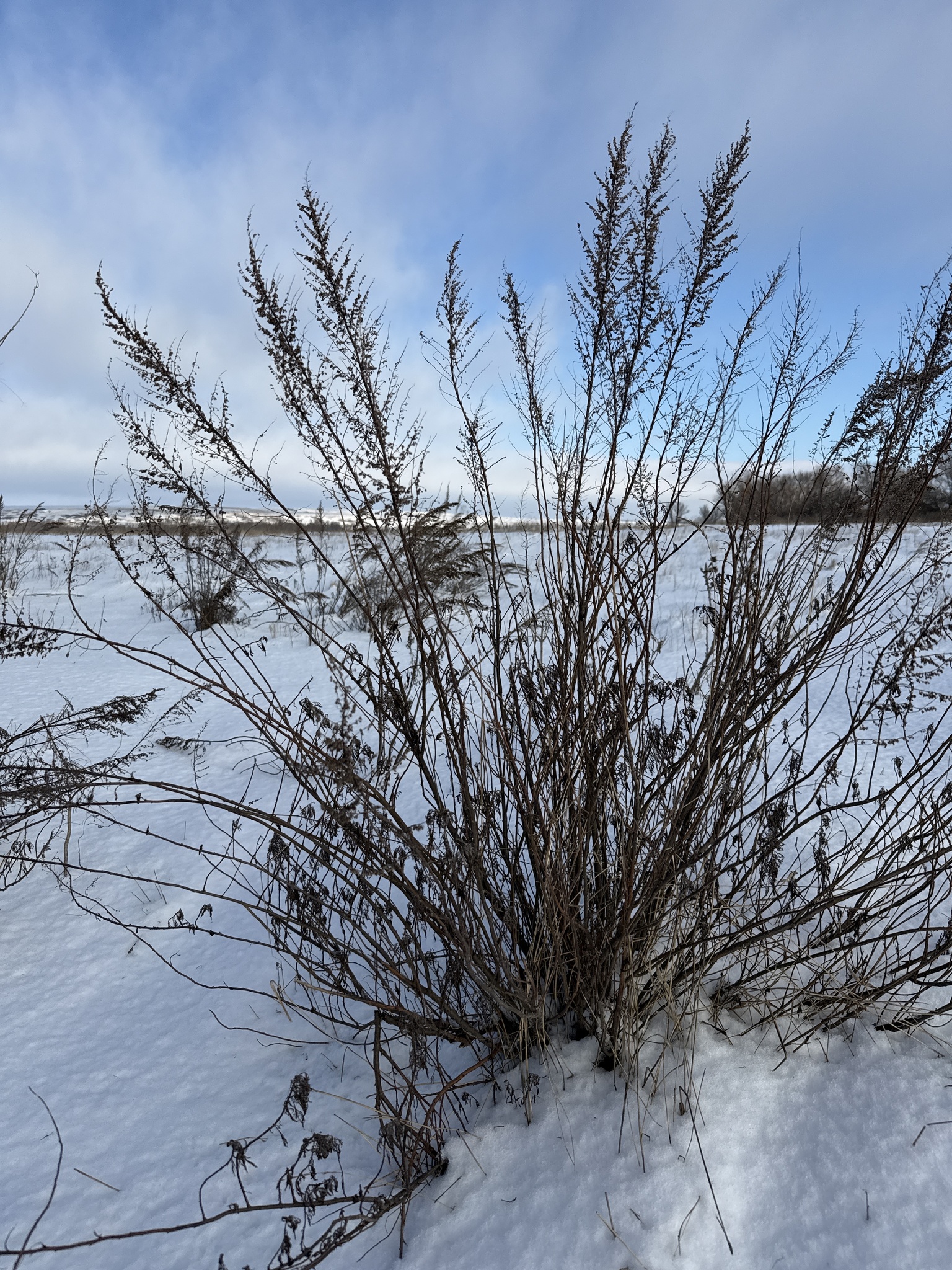
Basal leaves reach 20–25 cm (8–10 in) long, bipinnate to tripinnate, with blunt, narrow segments. Stems turn woody at the base as the season progresses, lifting flowering branches to a height of 80–120 cm (31–47 in).
From July to September, the plant bears dense panicles of globular flower heads measuring 2–4 mm (0.08–0.16 in) across. These nodding composite heads display dull, pale yellow disc florets without showy petals.
Sun and Soil Conditions
Plant wormwood in soil with a pH between 6.5 and 7.8 that allows water to drain freely away from the crown. Fertile garden loam produces floppy, weak stems with muted leaf coloration.
For heavy soils, amend the planting site with equal parts coarse horticultural grit and pumice. It tolerates dry, rocky banks and nutrient-depleted soils where other herbs struggle.
- Light: 6 to 8 hours of direct, unfiltered sunlight daily.
- Soil texture: Sandy loam, scree, or gravelly soils.
- Fertility: Negligible; avoid adding manure or high-nitrogen amendments.
Sowing and Propagating Wormwood
Sow wormwood seeds indoors 6 to 8 weeks before the last spring frost on the surface of moist seed compost. Wormwood seeds require light to germinate, so do not cover them with soil.
Maintain a constant temperature of 18–21 °C (65–70 °F); germination occurs within 10 to 21 days. Mist gently with a spray bottle to avoid dislodging the fine seed before emergence.
Established plants also propagate reliably through vegetative methods:
- Take 10 cm (4 in) semi-ripe heel cuttings in late summer.
- Divide mature fibrous root crowns in early spring as new growth starts.
- Transplant seedlings outdoors once root balls fill a 9 cm (3.5 in) nursery pot.
Common Wormwood Care Outdoors
Water young specimens weekly during their first month, then stop supplemental watering entirely once established unless drought exceeds four continuous weeks. Mature crowns rot quickly in soggy ground.
Prune the woody stems back to 10–15 cm (4–6 in) from the soil level in early spring. This annual cut removes dead winter wood, prevents legginess, and forces a flush of silver leaves.
- Mulch with 3 cm (1.2 in) of crushed gravel rather than bark to deter dampness around the stem base.
- Do not apply liquid fertilizers; excess nitrogen causes sprawling stems and diminishes essential oil concentration.
- Deadhead fading flower panicles in September to limit aggressive self-seeding.
How to Harvest Wormwood Leaves and Stems
Harvest foliage in midsummer just as flower buds begin to swell, which is when the concentration of bitter compounds peaks. Cut top growth on a dry, sunny morning after dew has evaporated.
Clip the upper 20–30 cm (8–12 in) of stem, leaving at least half of the basal foliage on the plant to fuel late-season root reserves. Wear gloves while cutting, as the volatile aromatic compounds can cause contact dermatitis in sensitive individuals.
- First harvest: Midsummer, prior to full floret opening.
- Second light harvest: Late summer if the plant produces vigorous secondary shoots.
- Tool: Sharp bypass pruners cleaned with 70% isopropyl alcohol.
Traditional Uses and Bitter Flavoring
Distillers use wormwood as the primary flavoring botanical in absinthe and traditional dry vermouth recipes, lending a potent herbal bitterness. The extracted compound absinthin provides the distinctive bite.
Historically, herbalists used wormwood extracts and combinations as bitter digestive tonics and vermifuges against intestinal parasites. It contains thujone, a monoterpene neurotoxin that is toxic in high doses, so culinary use remains restricted to carefully regulated, low-concentration flavorings.
- Bitters and aperitifs: Infused in spirits in measured, minute quantities.
- Companion pesticide: Traditional gardeners boiled dried leaves to make a spray against cabbage moths.
- Wardrobe sachet: Dried sprigs placed in linen presses deter cloth-eating moths.
Drying and Storing Wormwood
Dry harvested wormwood by hanging small bunches upside down in a dark, warm, well-ventilated room at 20–25 °C (68–77 °F) for 7 to 10 days. Direct sunlight discolors the silver foliage and bleaches the aromatic oils.
Leaves are fully dry when stems snap cleanly rather than bend. Strip the dried leaves from the fibrous stalks and pack them into airtight glass containers kept away from light.
- Bundle stems in groups of 4 to 6 with rubber bands that tighten as stems shrink.
- Inspect periodically for mold if ambient humidity exceeds 60%.
- Stored whole, dried leaves retain bitter compounds for 12 to 18 months.
Managing Wormwood Pests and Problems
Root rot caused by poor drainage or overwatering is the primary cause of sudden plant death in wormwood plantings. The strong essential oils naturally deter most common garden insects.
In humid, wind-sheltered borders, foliage can contract powdery mildew or fungal rust in late summer. Space plants widely to promote air circulation through the centre of the shrubby mound.
- Blackened root bases: Caused by waterlogged soil; lift plant and transplant into sharp grit.
- Lower foliage turning yellow: Overwatering or planting in dense, high-nitrogen soil.
- Self-seeding: Prevent accidental weed spread by removing flower heads before seeds drop in autumn.
Frequently Asked Questions
What is the difference between common wormwood and Chinese wormwood?
Common wormwood (Artemisia absinthium) is a woody perennial with silver, lobed leaves used in absinthe, whereas Chinese wormwood (Artemisia annua, or sweet Annie) is an annual with fern-like green foliage cultivated for the compound artemisinin.
Is common wormwood invasive in the garden?
Wormwood self-seeds vigorously in open, dry soil and has naturalized across parts of North America. Cut off flower stems before seed matures in late autumn to prevent unwanted spread.
How does wormwood differ from silver wormwood and tree wormwood?
Silver wormwood (Artemisia ludoviciana) spreads by underground rhizomes rather than forming a tight mound, while tree wormwood (Artemisia arborescens) grows much taller into a woody shrub up to 2 m (6.6 ft) and is less cold-hardy.
Is wormwood poisonous to dogs and cats?
Yes, common wormwood contains volatile oils and thujone that cause neurological distress, vomiting, and tremors in pets if chewed or swallowed.
What benefits does wormwood provide in an organic garden?
Wormwood acts as a natural deterrent against brassica pests, and its yellow summer blooms attract hoverflies, predatory wasps, and native bees to the garden.
Information about traditional or historical uses is provided for educational interest only and is not medical advice. Do not use any plant to treat a condition without speaking to a qualified professional.
Sources & Verification
Taxonomy and distribution are checked against the databases below. Care guidance is written for cultivated species only and reviewed by our editor. How We Build Plant Profiles →
- Kew Plants of the World OnlineTaxonomy, native distribution, and botanical description
- RHS GardeningCultivation, hardiness zones, and pruning advice
- North Carolina State Extension Plant ToolboxPhysical characteristics, toxicity profile, and site preferences
- ASPCA Animal Poison ControlPet toxicity data and clinical symptoms
- GBIF — Global Biodiversity Information Facilitytaxonomy, synonyms, occurrence records
- Wikipediageneral reference
More in Artemisia

Chinese Mugwort
Artemisia argyi
☀️ Full Sun 💧 Moderate
Sweet Wormwood
Artemisia annua
☀️ Full Sun 💧 Moderate

Tarragon
Artemisia dracunculus
☀️ Full Sun 💧 Low
Southernwood
Artemisia abrotanum
☀️ Full Sun 💧 Low

Big Sagebrush
Artemisia tridentata
☀️ Full Sun 💧 Low

Mugwort
Artemisia vulgaris
☀️ Full Sun 💧 Moderate