
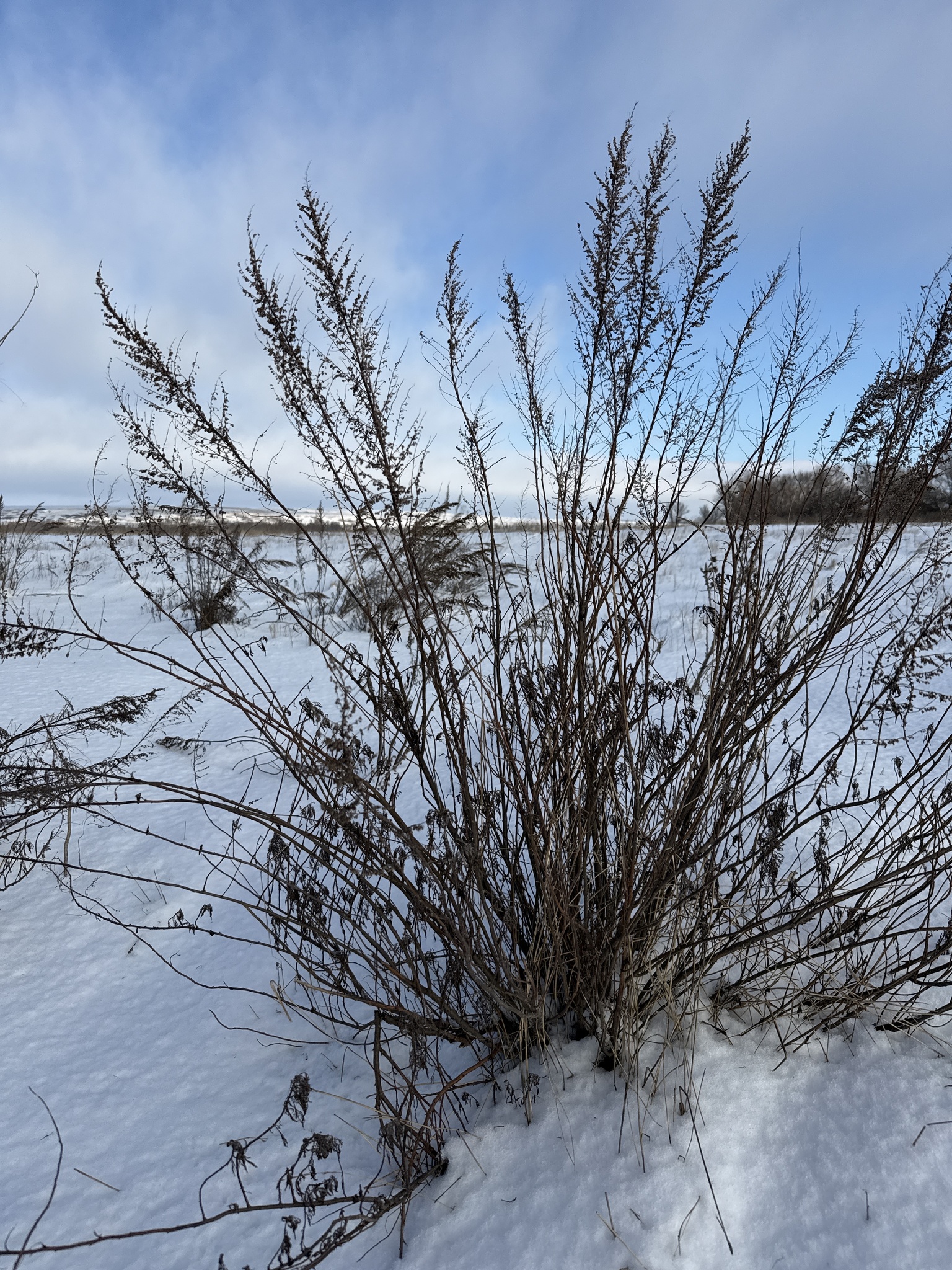
Artemisia abrotanum is a deciduous shrubby perennial native to Southern Europe and Asia, recognized by its grey-green, thread-like leaves that release a strong citrus scent when brushed.
It reaches heights of 1 m (3.3 ft) and thrives in poor, well-drained soils where many other herbs struggle. Unlike its relative wormwood (Artemisia absinthium), it lacks intense bitterness and was historically tucked into clothes to deter insects.
Key Facts
- Water: only during prolonged dry spells once established
- Light: requires at least 6 hours of full sun daily
- Soil: thrives in gritty, well-drained, alkaline to neutral soil
- Hardiness: survives temperatures down to -15 °C (5 °F)
- Scent: intense lemon and camphor aroma from foliage
Why Grow Southernwood in Your Garden?
Southernwood is a low-maintenance woody shrub that suits sensory gardens and drought-tolerant borders. It is ideal for gardeners who want a structural plant that provides year-round texture without requiring heavy watering. Because it tolerates poor soil, it often succeeds in coastal gardens or rocky areas where more delicate herbs fail.
This plant is particularly useful for those looking to create a natural insect-repellent barrier near seating areas or windows. Its fine foliage contrasts well with broad-leaved plants, making it a functional choice for varied garden designs. The intense lemon fragrance is most potent on warm afternoons, providing a natural air freshener for the garden.
Identifying Southernwood by Its Leaves and Form
Southernwood forms a rounded, bushy mound reaching up to 1.2 m (4 ft) in height. The foliage is its most distinct feature, consisting of finely divided, feathery leaves that are grey-green and soft to the touch. Each leaf is bipinnate or tripinnate, creating a delicate, lace-like appearance that remains attractive from spring through autumn.
In late summer, it produces small, inconspicuous yellowish-green flower heads that lack petals and are held in loose panicles. The stems are woody at the base but remain flexible and green towards the tips during the growing season. This combination of woody structure and soft foliage gives the plant a unique texture compared to other Artemisia species.
The Best Site for Southernwood Plants
This plant requires full sun and excellent drainage to prevent its roots from rotting during wet winters. It thrives in positions that receive at least 6 to 8 hours of direct sunlight daily. While it can tolerate partial shade, the stems often become weak and floppy, losing the dense, silvery appearance that characterizes healthy specimens.
Choose a spot with good air circulation to minimize the risk of fungal issues. In the UK and similar climates, a south-facing or west-facing wall provides the warmth and light intensity it needs to develop its full aromatic potential. It is also highly tolerant of urban pollution, making it suitable for city gardens.
How to Plant Southernwood
Space your southernwood plants 60 to 90 cm (2 to 3 ft) apart to allow for adequate air circulation. Dig a hole twice the width of the root ball and incorporate grit or perlite if your soil is heavy clay. Planting is best done in mid-spring once the soil has warmed up, allowing the root system to establish before the heat of summer.
- Dig a hole 30 cm (12 in) deep.
- Amend heavy soil with 30% horticultural grit.
- Place the plant at the same depth it was in its pot.
- Backfill and firm the soil gently with your hands.
- Water thoroughly once to settle the roots.
Watering and Feeding Requirements
Established southernwood plants are highly drought-tolerant and rarely need supplemental watering. During the first growing season, water once a week if there is no rainfall to help the roots settle. Avoid high-nitrogen fertilizers, as these produce soft, sappy growth that is susceptible to frost damage and aphids.
- Water newly planted shrubs weekly for 3 months.
- Stop watering established plants unless drought exceeds 4 weeks.
- Apply a handful of bone meal in early spring.
- Avoid mulching with organic matter that retains too much moisture.
Pruning Southernwood for a Tidy Shape
Hard pruning should be carried out in early spring to prevent the shrub from becoming overly leggy or woody at the base. Cut the stems back to about 15 cm (6 in) above the ground just as new growth begins to appear. This encourages a flush of fresh, aromatic foliage and maintains a compact, silver-green mound throughout the summer.
- Prune in March or April as buds swell.
- Remove any dead or crossing branches first.
- Cut back to a healthy set of outward-facing buds.
- Lightly trim in summer if the plant loses its shape.
Propagating Southernwood from Cuttings
The most reliable way to grow new southernwood is through semi-hardwood cuttings taken in mid-summer. Select non-flowering shoots about 10 cm (4 in) long and remove the lower leaves before inserting them into a gritty compost mix. Cuttings typically root within 4 to 6 weeks and can be potted on once a strong root system is visible.
- Take 10 cm (4 in) cuttings in July or August.
- Dip the base in rooting hormone powder.
- Insert into a mix of 50% peat-free compost and 50% grit.
- Keep in a shaded, humid environment until rooted.
- Overwinter young plants in a cold frame before planting out.
Common Problems and Pests
The primary threat to southernwood is root rot caused by waterlogged soil. If the foliage turns black or wilts despite the soil being wet, the root system has likely begun to decay. Aphids may occasionally cluster on the soft tips of new growth in spring, but these can usually be dislodged with a sharp spray of water.
- Yellowing leaves: often a sign of overwatering.
- Leggy stems: caused by insufficient sunlight or lack of pruning.
- Blackened foliage: indicates poor drainage or fungal infection.
- White powdery coating: sign of powdery mildew in humid conditions.
Winter Care and Hardiness
Southernwood is a fully hardy perennial that can withstand temperatures down to -15 °C (5 °F) without protection. In regions with very wet winters, like parts of the UK, applying a gravel mulch around the base helps prevent moisture from sitting against the crown. The plant is deciduous or semi-evergreen depending on the local climate, often dropping its leaves in the coldest months.
- Avoid pruning in late autumn to prevent frost damage to new cuts.
- Clear away fallen leaves from the base of the plant.
- Check drainage to ensure no standing water during thaws.
- In Zone 4, provide a light winter mulch of evergreen boughs.
Year-Round Care for Southernwood
| Spring | Prune hard to 15 cm (6 in) in early spring. Apply a light dressing of balanced fertilizer or bone meal. |
|---|---|
| Summer | Water only during extreme drought. Take semi-hardwood cuttings for propagation in July. |
| Autumn | Remove any dead flower heads. Clear debris from the base to ensure good winter drainage. |
| Winter | Check for standing water. Avoid pruning during the coldest months to prevent dieback. |
Southernwood Leaf and Growth Problems Explained
| What you see | Likely cause | What to do |
|---|---|---|
| Blackened, wilting stems | Root rot | Improve drainage by adding grit and reduce watering immediately. |
| Sparse, leggy growth | Lack of light or pruning | Move to a sunnier spot and prune hard in early spring. |
| Sticky residue on tips | Aphid infestation | Spray the plant with a strong jet of water or insecticidal soap. |
Popular Southernwood Cultivars
- ‘Tangerine’ – foliage has a distinct citrus-orange scent
- ‘Lemon’ – enhanced lemon fragrance, very feathery leaves
Companion Plants for Southernwood
Southernwood works well alongside other Mediterranean herbs that share its love for sun and dry soil. It provides a soft, feathery backdrop for the structural spikes of lavender (Lavandula angustifolia) or the dark green foliage of rosemary (Salvia rosmarinus). It is also a traditional companion for roses (Rosa), as its strong scent was historically believed to deter pests like aphids.
- Lavender (Lavandula angustifolia) for color contrast.
- Rosemary (Salvia rosmarinus) for similar cultural needs.
- Thyme (Thymus vulgaris) as a low-growing groundcover.
- Wormwood (Artemisia absinthium) for a silver-themed border.
Frequently Asked Questions
Is southernwood toxic to cats?
Yes, southernwood contains essential oils that are mildly toxic to cats and dogs if ingested. It can cause digestive upset or skin irritation in sensitive animals.
What does southernwood smell like?
It has a strong, refreshing scent of lemon mixed with camphor. The fragrance is released whenever the feathery leaves are brushed or crushed.
Can you eat southernwood?
While it was traditionally used to flavor cakes and vinegars, it is extremely bitter. Most modern gardeners grow it for its aroma and ornamental value rather than culinary use.
Why is it called Lad's Love?
The name comes from a traditional English custom where young men included sprigs of the aromatic plant in bouquets for their sweethearts. It was also believed to help hair growth when used in a rinse.
Is Southernwood a place or a plant?
Southernwood is a fragrant shrub (Artemisia abrotanum), though the name is also used for several locations, schools, and care homes in the UK and South Africa. This guide focuses on the botanical care of the plant.
Where can I find a southernwood nursery?
You can find this plant at specialist herb nurseries in the UK, New Zealand, and North America. It is often sold in the herb or sensory garden section due to its intense fragrance.
Information about traditional or historical uses is provided for educational interest only and is not medical advice. Do not use any plant to treat a condition without speaking to a qualified professional.
Sources & Verification
Taxonomy and distribution are checked against the databases below. Care guidance is written for cultivated species only and reviewed by our editor. How We Build Plant Profiles →
More in Artemisia

Chinese Mugwort
Artemisia argyi
☀️ Full Sun 💧 Moderate

Wormwood
Artemisia absinthium
☀️ Full Sun 💧 Low

Capillary Wormwood
Artemisia capillaris
☀️ Full Sun 💧 Low
Sweet Wormwood
Artemisia annua
☀️ Full Sun 💧 Moderate

Mugwort
Artemisia vulgaris
☀️ Full Sun 💧 Moderate

Tarragon
Artemisia dracunculus
☀️ Full Sun 💧 Low