

Tarragon (Artemisia dracunculus) is a perennial herb belonging to the aster family, native across much of the Northern Hemisphere. It is widely cultivated for its slender, aromatic green leaves that taste strongly of anise and feature prominently in classic poultry and sauce recipes.
Getting the right cultivar is crucial because seed-grown Russian tarragon lacks flavour compared to vegetatively propagated French selections. You must protect true French tarragon from winter waterlogged soil to keep it coming back each spring.
Key Facts
- Light: full sun for 6 hours daily
- Soil: loose, sandy, and well-drained
- Water: when the top 3 cm (1.2 in) of soil is dry
- Plant Type: perennial herb
- Harvest: cut stems before flowering
What It Is Like to Grow Tarragon
Growing Artemisia dracunculus suits gardeners who enjoy culinary experiments and have well-draining soil available in a sunny spot. The single most important rule is to source a live French tarragon plant rather than seeds, because seeds always yield the inferior Russian type. The plants form loose clumps reaching 90 cm (35 in) tall, dying back completely to the ground each winter before resprouting vigorously in April.
- Ideal for kitchen gardens, herb borders, and large patio containers.
- Demands minimal maintenance once established in the correct soil.
- Provides fresh aromatic green foliage from late spring until the first autumn frost.
Living with the plant means harvesting stems regularly to encourage bushy growth rather than letting it run to flower. You will find that keeping the roots dry during winter is the only real hurdle to long-term success.
How to Identify Tarragon
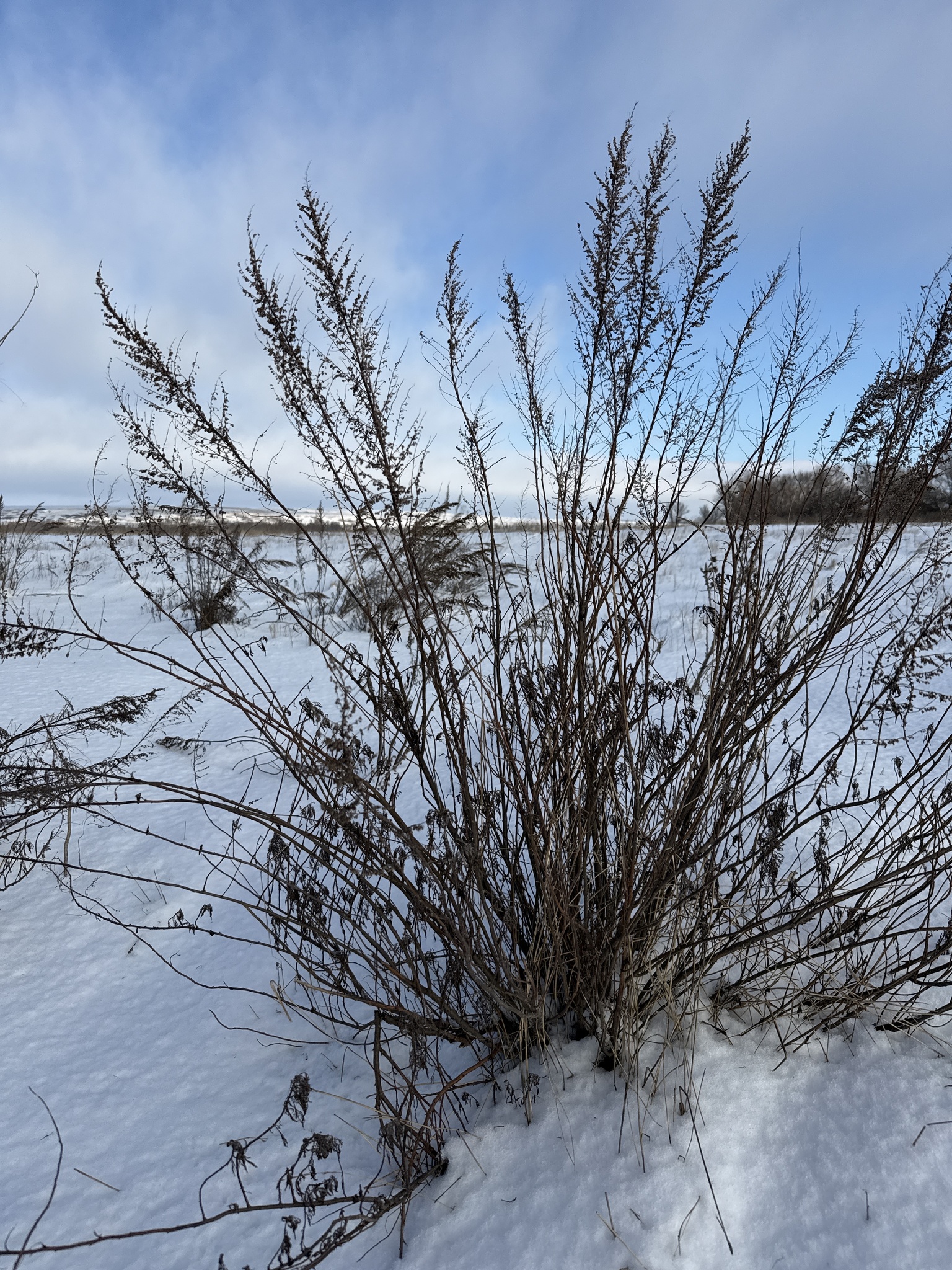
Tarragon is identified by its smooth, narrow, lance-shaped green leaves that grow up to 7 cm (2.8 in) long and lack serrations. Crushing a leaf releases a distinct aroma of anise or liquorice, which separates it from similar wild wormwoods like absinthe wormwood (Artemisia absinthium). The branching stems turn woody at the base on mature plants that are older than two years.
- Leaves: alternate, hairless, bright green, and linear to lanceolate.
- Flowers: tiny, button-like greenish-white or yellow flower heads in branching terminal panicles.
- Roots: thick, creeping rhizomes that slowly expand the clump outward each season.
French tarragon bears sterile flowers that rarely set viable seed, whereas Russian tarragon produces fertile seed heads and slightly coarser, hairy leaves. Checking the leaf taste for that sharp liquorice punch is the foolproof final test.
Ideal Growing Conditions for Tarragon
Tarragon thrives in a position receiving at least 6 hours of direct sunlight every day. Soil must be poor to moderately fertile and exceptionally well-drained, as heavy clay or winter dampness causes the fleshy roots to rot rapidly.
- Light: full sun, though afternoon shade is tolerated in very hot desert climates.
- Soil pH: neutral to slightly alkaline, between 6.5 and 7.5.
- Moisture: drought-tolerant once established, hating wet feet above all else.
If you have heavy clay soil, amend it generously with horticultural grit and compost before planting. Alternatively, grow the herb in raised beds or terracotta containers to guarantee proper drainage.
How and When to Propagate Tarragon
Because French tarragon does not produce viable seeds, you must propagate it using vegetative methods in late spring or early summer. Root division of an established 3-year-old clump is the most reliable method for home gardeners.
- Root divisions: dig up a healthy clump in spring and slice off rooted peripheral shoots with a sharp knife.
- Stem cuttings: take 10 cm (4 in) tip cuttings in early summer, strip lower leaves, and root them in moist perlite.
- Avoid sowing seeds labeled as French tarragon, as commercial packets almost always contain the tasteless Russian variant (Artemisia dracunculus var. inodora).
Keep newly propagated cuttings in a sheltered, shaded cold frame until roots fill a 10 cm (4 in) pot. Plant them out into the garden once danger of heavy frost has completely passed.
Tarragon Care and Watering Schedule
Established tarragon requires very little attention, needing water only during prolonged dry spells of 2 to 3 weeks without rain. Over-fertilising ruins the culinary flavour, so apply a thin layer of compost around the base in spring rather than liquid synthetic feeds.
- Water young plants weekly until their root systems establish deeply.
- Prune back stems by half in mid-summer to promote a fresh flush of tender autumn leaves.
- Divide large overcrowded clumps every 3 to 4 years in spring to maintain vigorous growth.
Mulch around the base with straw or dry leaves in cold winter regions to protect the crown from extreme freeze-thaw cycles. Clear away all dead top growth in late autumn to deter overwintering pests.
How to Harvest Tarragon
Harvest tarragon leaves throughout the growing season by snip-cutting stems just above a leaf node once the plant reaches 25 cm (10 in) tall. Never harvest more than one-third of the plant at any single time to avoid weakening the crown.
- Morning harvest: pick leaves after dew evaporates for maximum essential oil concentration.
- Peak flavour: harvest right before tiny flower buds open in mid-summer.
- Stop harvesting by late September to let the plant harden off before winter dormancy.
Regular harvesting prevents the plant from flowering prematurely and keeps the foliage tender. Wash harvested sprigs gently in cold water and pat dry before use.
Traditional Uses and Medicinal Claims
Tarragon has been traditionally used in European herbalism as a mild stimulant and digestive aid. Historical herbalists prescribed infusions of the leaves to stimulate appetite and alleviate toothache pain.
- Culinary: classic component of fines herbes, infusing vinegar, and pairing with chicken, fish, and eggs.
- Traditional medicine: leaves were chewed fresh to numb gums or brewed into teas for digestion.
- Modern gastronomy: valued entirely for its unique volatile oils, specifically estragole.
While historically celebrated for settling stomachs, modern use remains firmly anchored in the kitchen. Avoid concentrated medicinal extracts during pregnancy due to the estragole content found within the essential oil profile.
Troubleshooting Tarragon Problems
Tarragon encounters few pests, but root rot caused by poor drainage is the most common cause of sudden plant death. Yellowing leaves and powdery mildew also appear when plants lack adequate air circulation.
- Symptom: black, mushy stems and roots. Cause: waterlogged winter soil. Fix: improve drainage with coarse grit or move to a raised bed.
- Symptom: white powdery coating on leaves. Cause: high humidity and crowded planting. Fix: thin out stems and water only at the base.
- Symptom: chewed foliage. Cause: slugs or caterpillars. Fix: hand-pick pests at dusk or apply organic iron phosphate bait.
Inspect the underside of leaves weekly during humid summer weather to catch powdery mildew outbreaks early. Pruning out dense central stems greatly reduces fungal pressure.
How to Store Tarragon
Store fresh tarragon for up to one week in the refrigerator by wrapping washed stems in a damp paper towel inside a sealed plastic bag. For long-term preservation, freezing or infusing in vinegar retains the essential oils far better than air drying.
- Freezing: chop leaves finely, mix with water or olive oil, and freeze in ice cube trays.
- Vinegar infusion: stuff clean sprigs into white wine vinegar for 2 weeks to make tarragon vinegar.
- Drying: tie stems in small bundles and hang in a dark, airy room, though expect some loss of flavour.
Because the volatile oils evaporate easily, dried tarragon loses punch within 3 months. Frozen herb cubes retain their bright liquorice flavour for up to 12 months in the freezer.
Tarragon Through the Seasons
| Spring | Clear away dead winter debris as new green shoots emerge from the soil. Divide overgrown clumps and plant new French tarragon in well-drained soil. |
|---|---|
| Summer | Harvest fresh stems regularly to encourage bushiness. Cut plants back by half in mid-summer if they get leggy, and water only during extended dry spells. |
| Autumn | Stop harvesting by late September so the plant can prepare for dormancy. Cut back dead top growth after the first hard frost and apply a protective layer of dry mulch. |
| Winter | Ensure crowns are not sitting in standing water during heavy rains or snowmelt. Potted tarragon can be moved to an unheated greenhouse or sheltered porch. |
Tarragon Pest and Disease Diagnosis
| What you see | Likely cause | What to do |
|---|---|---|
| Stems rotting at soil line | Winter waterlogging | Improve garden bed drainage with sand and organic matter, or replant in a raised container. |
| White powdery patches on leaves | Powdery mildew | Prune crowded stems to increase airflow and remove heavily infected foliage. |
| Tastes grassy with no liquorice flavour | Growing Russian tarragon from seed | Discard the plant and purchase a certified cutting-grown French tarragon specimen. |
| Weak, spindly growth | Insufficient sunlight | Relocate the plant to a position receiving at least 6 hours of direct daily sun. |
Popular Tarragon Cultivars and Types Compared
- French tarragon – superior culinary flavour, liquorice notes, sterile flowers
- Russian tarragon – coarse hairy leaves, vigorous grower, poor culinary flavour
- Mexican tarragon (Tagetes lucida) – golden flowers, sweet anise scent, distinct plant family
Frequently Asked Questions
How do you make tarragon vinegar?
Make tarragon vinegar by packing clean, fresh tarragon sprigs into a sterilised glass jar and pouring warm white wine vinegar over them. Seal the jar tightly and steep in a dark cupboard for 2 weeks before straining out the herb.
What is the difference between French tarragon and Russian tarragon?
French tarragon features smooth dark green leaves with a strong liquorice flavour and sterile flowers, whereas Russian tarragon (Artemisia dracunculoides) has coarser, hairy leaves and a bitter, lacklustre taste.
Is Mexican tarragon the same plant?
Mexican tarragon is not the same species; it belongs to the marigold genus as Tagetes lucida, though it produces similar aromatic anise-flavoured leaves and bright yellow flowers.
How do you dry tarragon successfully?
Dry tarragon successfully by hanging small bunches upside down in a dark, warm, and well-ventilated room for 1 to 2 weeks. Alternatively, freeze chopped leaves in oil for superior flavour retention.
Why does my tarragon die every winter?
Tarragon dies back naturally to ground level in winter, but permanent death is usually caused by wet, heavy soil rotting the rhizomes. Ensure your garden soil is exceptionally well-drained to help it survive winter.
Information about traditional or historical uses is provided for educational interest only and is not medical advice. Do not use any plant to treat a condition without speaking to a qualified professional.
Sources & Verification
Taxonomy and distribution are checked against the databases below. Care guidance is written for cultivated species only and reviewed by our editor. How We Build Plant Profiles →
More in Artemisia

Wormwood
Artemisia absinthium
☀️ Full Sun 💧 Low
Sweet Wormwood
Artemisia annua
☀️ Full Sun 💧 Moderate

Capillary Wormwood
Artemisia capillaris
☀️ Full Sun 💧 Low
Southernwood
Artemisia abrotanum
☀️ Full Sun 💧 Low

Big Sagebrush
Artemisia tridentata
☀️ Full Sun 💧 Low

Chinese Mugwort
Artemisia argyi
☀️ Full Sun 💧 Moderate