Plants Native to Eastern North America
32 plant profiles · Discover plants native to Eastern North America, including trees, shrubs, and perennials. Learn their light requirements, hardiness zones, and ecology.
Plants native to Eastern North America span USDA hardiness zones 3 through 9, adapted to temperate broadleaf forests, wetlands, and coastal plains. Choosing species indigenous to this region supports local wildlife, including native bees, butterflies, and songbirds, while reducing supplemental watering once plants establish deep root systems.
When selecting species for your landscape, match your garden's moisture and light levels to the plant's natural habitat. Canopy trees like white oak (Quercus alba) and eastern white pine (Pinus strobus) require full sun and spacious yards, while shade-tolerant species such as eastern hemlock (Tsuga canadensis) thrive in cool, moist understories. For shrub borders and hedges, choices range from wetland-loving winterberry (Ilex verticillata) to smooth hydrangea (Hydrangea arborescens), which prefers rich, damp soil in part shade.
Groundcovers and specialized plants fill distinct ecological niches: creeping phlox (Phlox subulata) carpets rocky slopes in full sun, while aquatic species like American lotus (Nelumbo lutea) require standing water 30–90 cm (12–36 in) deep. For wildlife forage and late-season nectar, American elderberry (Sambucus canadensis) and sourwood (Oxydendrum arboreum) provide food for pollinators and birds across variable soil pH levels.

American Beech
Fagus grandifolia
☀️ Full Sun 💧 Moderate

American Chestnut
Castanea dentata
☀️ Full Sun 💧 Moderate

American Elderberry
Sambucus canadensis
☀️ Full Sun 💧 High

American Lotus
Nelumbo lutea
☀️ Full Sun 💧 Aquatic

American Sycamore
Platanus occidentalis
☀️ Full Sun 💧 High

American Trumpet Vine
Campsis radicans
☀️ Full Sun 💧 Low

Appalachian Barren Strawberry
Geum fragarioides
☀️ Partial Shade 💧 Moderate

Black Raspberry
Rubus occidentalis
☀️ Full Sun 💧 Moderate

Black Walnut
Juglans nigra
☀️ Full Sun 💧 Moderate

Carolina Rose
Rosa carolina
☀️ Full Sun 💧 Moderate

Common Sedge
Carex nigra
💧 High

Eastern Cottonwood
Populus deltoides
☀️ Full Sun 💧 High

Eastern Hemlock
Tsuga canadensis
☀️ Partial Shade 💧 High

Eastern Red Cedar
Juniperus virginiana
☀️ Full Sun 💧 Low

Eastern White Pine
Pinus strobus
☀️ Full Sun 💧 Moderate

Fox Grape
Vitis labrusca
☀️ Full Sun 💧 Moderate

Garden Phlox
Phlox paniculata
☀️ Full Sun 💧 Moderate
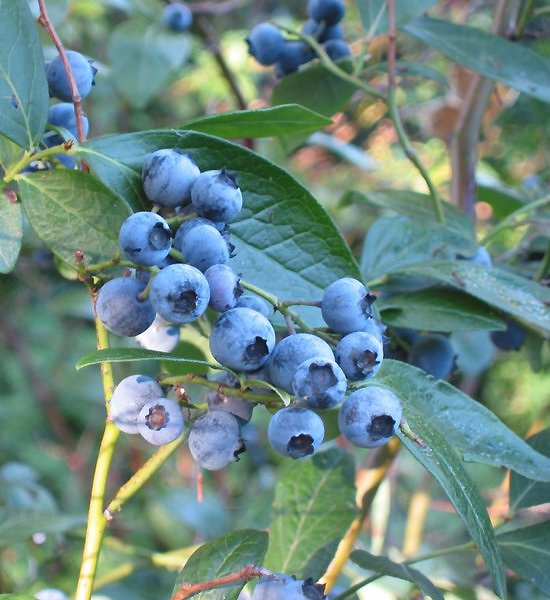
Highbush Blueberry
Vaccinium corymbosum
☀️ Full Sun 💧 Moderate

New York Aster
Symphyotrichum novi-belgii
☀️ Full Sun 💧 High

Pin Oak
Quercus palustris
☀️ Full Sun 💧 High

Pitch Pine
Pinus rigida
☀️ Full Sun 💧 Low

Purple Pitcher Plant
Sarracenia purpurea
☀️ Full Sun 💧 High
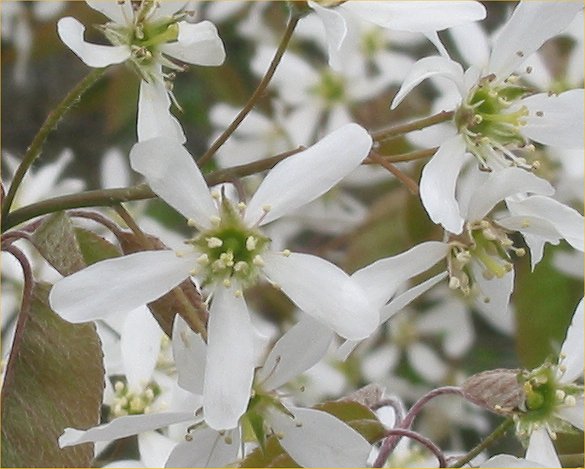
Serviceberry
Amelanchier canadensis
☀️ Full Sun 💧 Moderate

Shagbark Hickory
Carya ovata
☀️ Full Sun 💧 Moderate
Common Questions
What are the best native trees for Eastern North America?
White oak (Quercus alba), eastern white pine (Pinus strobus), and American sycamore (Platanus occidentalis) are among the best native canopy trees for Eastern North America. White oak supports over 500 species of native caterpillars, while eastern white pine grows rapidly in well-drained acidic soils across USDA zones 3 through 8.
Which Eastern North American native plants tolerate full shade?
Eastern hemlock (Tsuga canadensis) and smooth hydrangea (Hydrangea arborescens) grow reliably in partial to full shade. Eastern hemlock naturally forms dense understories in forest ravines, while smooth hydrangea produces white flower heads in sites receiving under 4 hours of direct sun daily.
How do I choose native plants for wet soil in the East?
Select wetland-adapted species such as winterberry (Ilex verticillata), American elderberry (Sambucus canadensis), and American lotus (Nelumbo lutea) for saturated ground or water gardens. Winterberry handles seasonal flooding in USDA zones 3 to 9, whereas American lotus requires permanent standing water to flourish.