Plants Native to the Himalayas
36 plant profiles · Explore plants native to the Himalayas, from hardy mountain shrubs to tropical valley trees, with practical growing tips for your home garden.
The Himalayan mountain system stretches across South and Central Asia, creating microclimates from warm tropical foothills to freezing alpine ridges above 4,000 m (13,100 ft). Plants native to this region reflect extreme elevation changes, requiring specific care depending on whether they originated in damp cloud forests or arid high-altitude valleys. Selecting the right species requires matching your garden's USDA hardiness zone and soil drainage to the plant's native altitude.
High-altitude species thrive in cold winters and well-draining soil. Wall Cotoneaster (Cotoneaster horizontalis) forms low-growing mats up to 1 m (3 ft) tall, while Flaky Juniper (Juniperus squamata) handles severe frost and rock garden soils down to USDA zone 4. Spring-blooming climbers like Anemone Clematis (Clematis montana) and deciduous trees such as Himalayan Horse-Chestnut (Aesculus indica) need temperate climates with distinct seasons to break bud dormancy. For sunny borders with drier soils, Russian Sage (Salvia yangii) tolerates summer heat and dry spells once established.
Lowland and valley plants from the Himalayan foothills require entirely different conditions. Warm-climate species like Drumstick Tree (Moringa oleifera) need temperatures above 10 °C (50 °F) to avoid cold damage, while indoor foliage options like Rubber Plant (Ficus elastica) prefer bright indirect light and high humidity. Identify your garden's minimum winter temperature and available sun before choosing between woodland perennials, climbing vines, or tropical trees from this region.

Adzuki Bean
Vigna angularis
☀️ Full Sun 💧 Moderate

Anemone Clematis
Clematis montana
☀️ Full Sun 💧 Moderate

Asiatic Sweetleaf
Symplocos paniculata
☀️ Full Sun 💧 Moderate

Autumn Olive
Elaeagnus umbellata
☀️ Full Sun 💧 Low

Bhutan Pine
Pinus wallichiana
☀️ Full Sun 💧 Low

Chir Pine
Pinus roxburghii
☀️ Full Sun 💧 Low
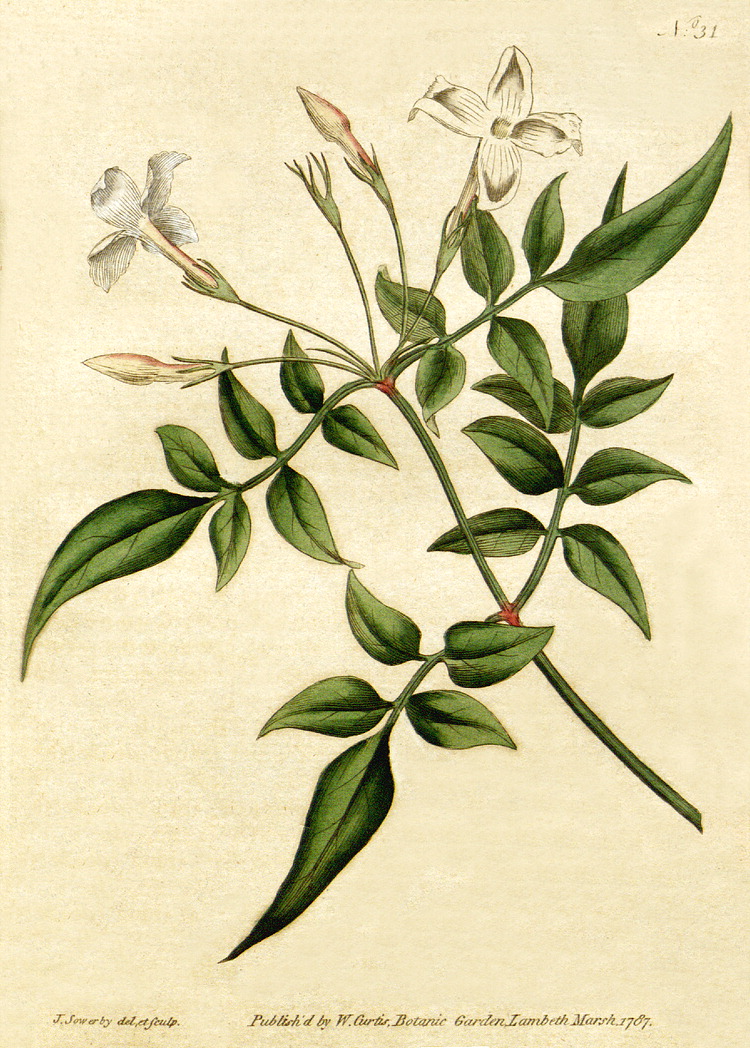
Common Jasmine
Jasminum officinale
☀️ Full Sun 💧 Moderate

Drumstick Tree
Moringa oleifera
☀️ Full Sun 💧 Low

Easter Lily Vine
Beaumontia grandiflora
☀️ Full Sun 💧 Moderate

English Walnut
Juglans regia
☀️ Full Sun 💧 Moderate

Fairy Primrose
Primula malacoides
☀️ Partial Shade 💧 Moderate
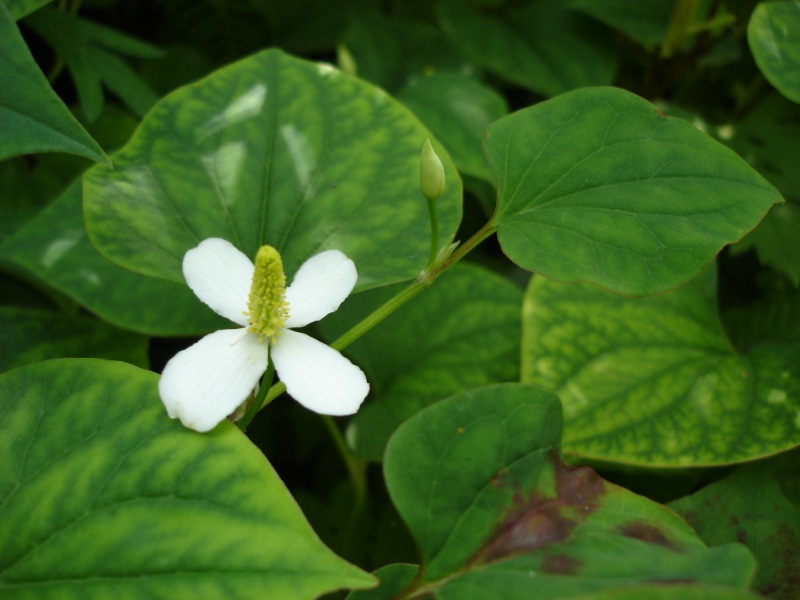
Fish Mint
Houttuynia cordata
☀️ Partial Shade 💧 High

Flaky Juniper
Juniperus squamata
☀️ Full Sun 💧 Low

Gas Plant
Dictamnus albus
☀️ Full Sun 💧 Low

Heavenly Bamboo
Nandina domestica
☀️ Partial Sun 💧 Moderate
Himalayan Balsam
Impatiens glandulifera

Himalayan Birch
Betula utilis
☀️ Full Sun 💧 Moderate

Himalayan Honeysuckle
Leycesteria formosa
☀️ Full Sun 💧 Moderate

Himalayan Horse-Chestnut
Aesculus indica
☀️ Full Sun 💧 Moderate

Himalayan Yew
Taxus wallichiana

Japanese Ginseng
Panax japonicus
☀️ Full Shade 💧 High

Kahili Ginger
Hedychium gardnerianum
☀️ Partial Sun 💧 High
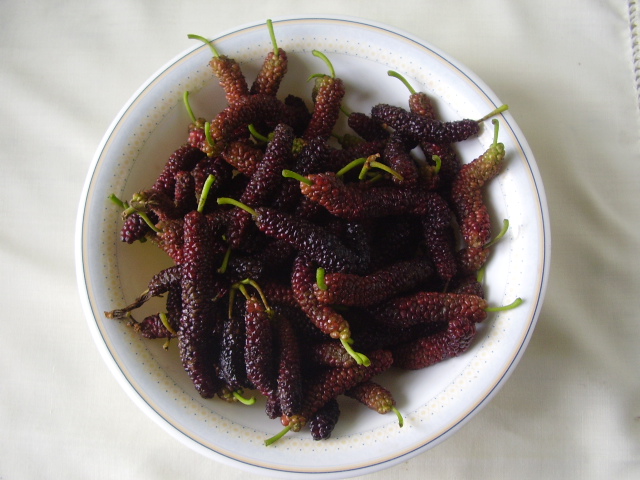
Long Mulberry
Morus macroura
☀️ Full Sun 💧 Moderate

Mountain Sorrel
Oxyria digyna
☀️ Full Sun 💧 Moderate
Common Questions
Can Himalayan plants grow in hot climates?
Some Himalayan plants thrive in hot climates, provided you select lowland species rather than alpine native varieties. High-altitude plants suffer under sustained temperatures above 30 °C (86 °F) combined with night heat.
What hardiness zones suit Himalayan plants?
Himalayan plants span USDA hardiness zones 3 through 11 due to the mountain range's broad altitude variations. Alpine conifers tolerate zone 3 frosts, whereas subtropical foothill trees require frost-free zones 10 to 11.
Do Himalayan plants need acid soil?
Most Himalayan plants prefer neutral to slightly acidic soil with a pH between 6.0 and 7.0, though alpine species tolerate alkaline conditions. Woodland perennials from lower elevation forests perform best in rich, organic soil.
How often should you water Himalayan plants?
Water Himalayan plants when the top 5 cm (2 in) of soil feels dry, adjusting frequency for high-elevation drought-tolerant species versus rainforest lowlands. Foothill and valley species need soil that remains consistently moist throughout the growing season.