Plants Native to Myanmar
28 plant profiles · Explore 18 plant species native to Myanmar, from cold-hardy palms to tropical canopy trees, with microclimate and soil guidelines.
Myanmar's flora spans diverse climate zones, ranging from temperate high-altitude regions in the northern Himalayas to tropical lowlands and monsoon forests across the central plains. Species originating in this region reflect this geographic range, encompassing frost-tolerant woody climbers like evergreen clematis (Clematis armandii) alongside heat-loving fruit trees like mango (Mangifera indica). Understanding a plant's specific microclimate within Myanmar helps determine its light, moisture, and temperature requirements in your garden.
When choosing among species from Myanmar, match your growing space with their native elevation and rainfall patterns. High-elevation epiphytes like blue vanda (Vanda coerulea) require cool night temperatures between 10–15 °C (50–59 °F) and high air humidity, while lowland canopy species such as neem (Azadirachta indica) and siris tree (Albizia lebbeck) thrive in full sun and tolerate dry periods once established. Cold-hardy choices like windmill palm (Trachycarpus fortunei) withstand winter dips down to -15 °C (5 °F), making them suitable for temperate outdoor landscapes.
Soil drainage and moisture levels vary significantly across this group. Understory plants like black cardamom (Amomum subulatum) and climbing vines like pink jasmine (Jasminum polyanthum) prefer moist, organic-rich soil protected from harsh afternoon sun. Assessing your hardiness zone, indoor or outdoor setup, and available sunlight ensures you select the correct Myanmar species for your space.
Armand Pine
Pinus armandii
☀️ Full Sun 💧 Moderate
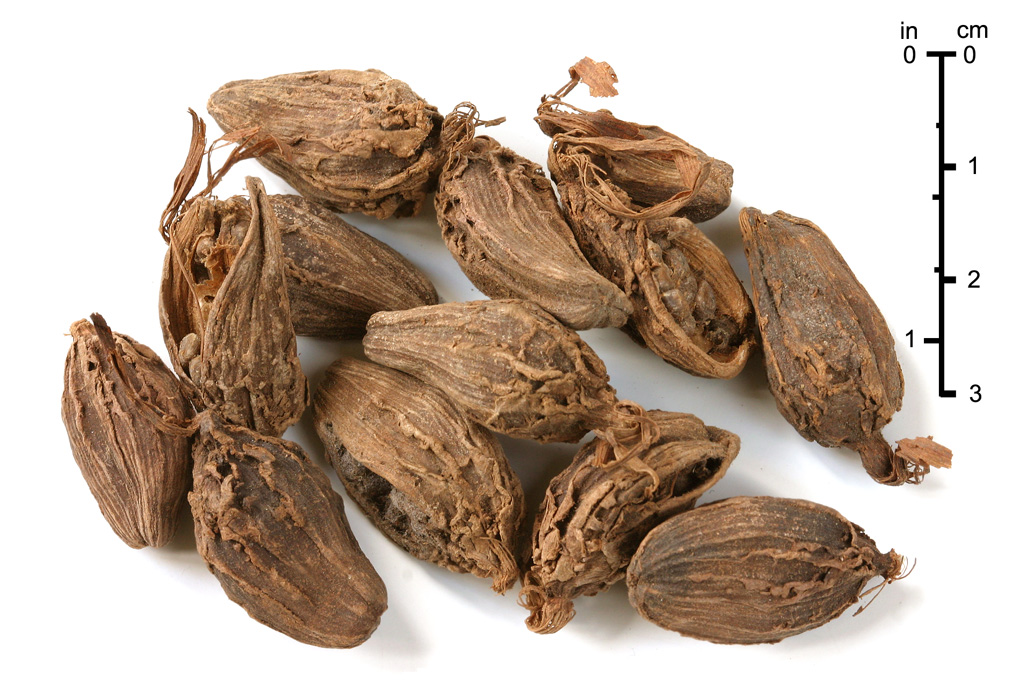
Black Cardamom
Amomum subulatum
☀️ Partial Shade 💧 High

Blue Vanda
Vanda coerulea
☀️ Bright Indirect 💧 High
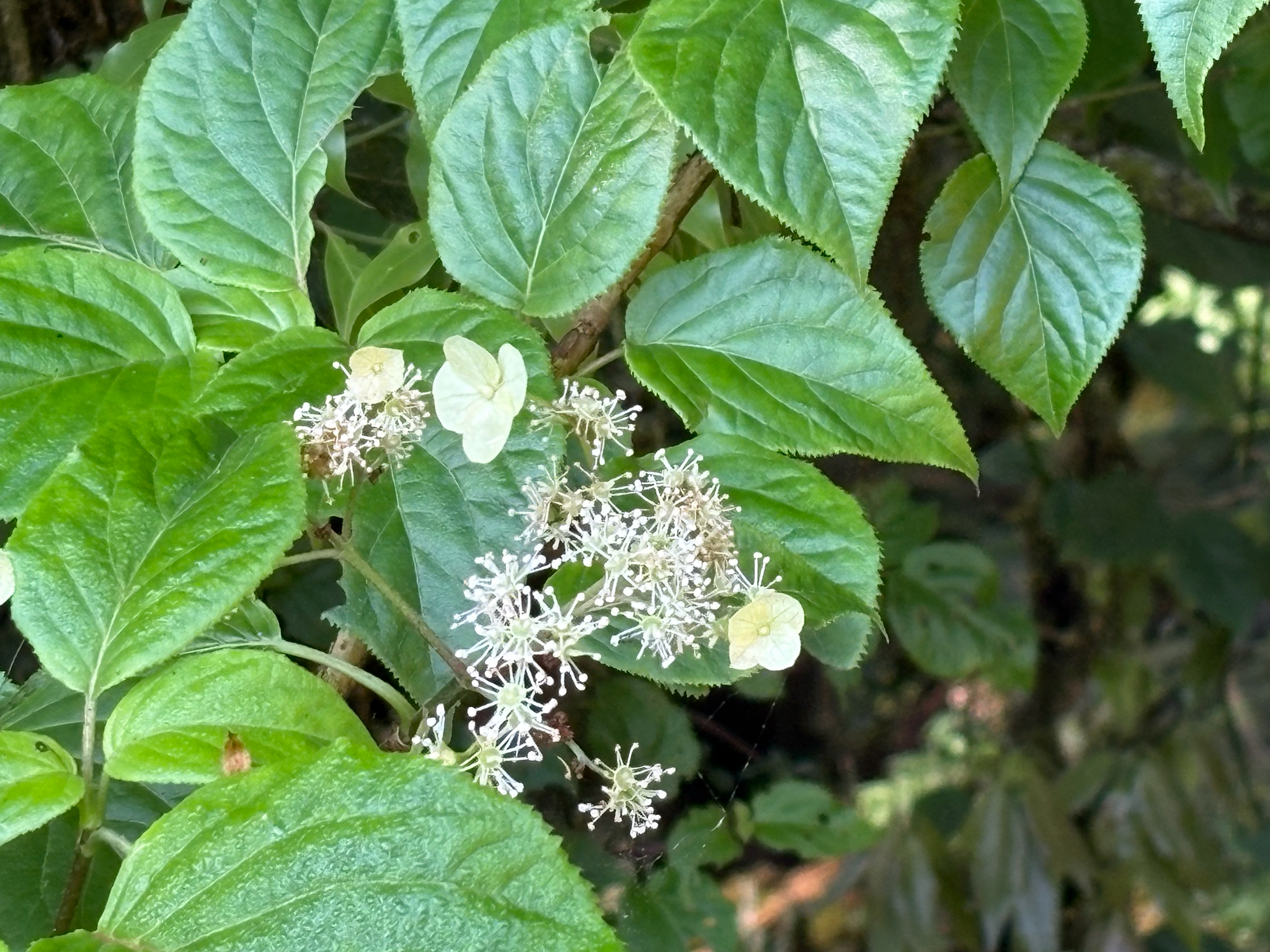
Chinese Hydrangea
Hydrangea anomala
☀️ Partial Shade 💧 Moderate

Chinese Juniper
Juniperus chinensis
☀️ Full Sun 💧 Low

Evergreen Clematis
Clematis armandii
☀️ Full Sun 💧 Moderate

Fairy Primrose
Primula malacoides
☀️ Partial Shade 💧 Moderate
Giant Bamboo
Dendrocalamus giganteus
☀️ Full Sun 💧 High

Gum Karaya
Sterculia urens

Himalayan Cotoneaster
Cotoneaster simonsii
☀️ Partial Sun 💧 Moderate

Himalayan Honeysuckle
Leycesteria formosa
☀️ Full Sun 💧 Moderate

Indian Azalea
Rhododendron simsii
☀️ Partial Shade 💧 Moderate

Indian Bay Leaf
Cinnamomum tamala
☀️ Full Sun 💧 Moderate
Jaggery Palm
Caryota urens
☀️ Full Sun 💧 High
Kanak Champa
Pterospermum acerifolium
☀️ Full Sun 💧 Moderate

Mahua Tree
Madhuca longifolia
☀️ Full Sun 💧 Low

Mango
Mangifera indica
☀️ Full Sun 💧 Moderate

Neem
Azadirachta indica
☀️ Full Sun 💧 Low

Pink Jasmine
Jasminum polyanthum
☀️ Bright Indirect 💧 Moderate
Purple Orchid Tree
Bauhinia purpurea
☀️ Full Sun 💧 Moderate

Siamese Cassia
Senna siamea
☀️ Full Sun 💧 Moderate

Silky Rose
Rosa sericea
☀️ Full Sun 💧 Moderate

Siris Tree
Albizia lebbeck
☀️ Full Sun 💧 Moderate

Tea
Camellia sinensis
☀️ Partial Sun 💧 High
Common Questions
Can plants native to Myanmar survive cold winters?
Some high-altitude species survive severe cold, while tropical lowland species perish in freezing temperatures. Cold-hardy species like windmill palm endure temperatures down to -15 °C (5 °F), whereas tropical trees like neem require frost-free conditions above 5 °C (41 °F).
What light levels do plants from Myanmar need?
Light requirements depend on the plant's natural habitat layer in Myanmar. Canopy trees and palms prefer full sun with at least 6 hours of direct sunlight daily, while forest understory plants and epiphytes require bright, indirect light shielded from direct sun.
What soil medium works best for Myanmar orchids like Blue Vanda?
Use a coarse, fast-draining medium like coarse fir bark or charcoal instead of regular potting soil. Epiphytes like blue vanda naturally anchor to tree bark in upper elevation forests and suffer root rot rapidly in dense, waterlogged media.