Plants Native to the Russian Far East
21 plant profiles · Discover cold-hardy trees, shrubs, and perennials native to the Russian Far East, including hardy kiwi, balloon flower, and old-fashioned weigela.
Plants native to the Russian Far East thrive in extreme continental climates where winter temperatures drop below -30 °C (-22 °F) while summer temperatures reach 25 °C (77 °F). This geographic region spans Manchurian mixed forests, Sakhalin island, and the Amur River basin, producing flora with exceptional frost hardiness suitable for USDA zones 3 through 7. Species from this region rely on a pronounced winter chilling period to break seed dormancy and initiate flower buds in spring.
When selecting species from this group, match your garden layout with the plant's growth habit and moisture needs. Woody vines like hardy kiwi (Actinidia arguta) and five-flavor berry (Schisandra chinensis) require vertical support structures and consistent soil moisture. Canopy trees such as amur cork tree (Phellodendron amurense) offer thick, disease-resistant bark and shade, while flowering shrubs like old-fashioned weigela (Weigela florida) grow 1.5 to 3 m (5 to 10 ft) tall and produce tubular blooms on previous year's wood.
Herbaceous perennials from the region adapt well to moist borders and rock gardens. Japanese iris (Iris ensata) prefers wet, acidic soils near water margins, balloon flower (Platycodon grandiflorus) forms deep taproots that withstand summer droughts, and korean mint (Agastache rugosa) supplies aromatic foliage that attracts pollinators. Most Russian Far East species perform best in full sun to partial shade with a 5 to 7 cm (2 to 3 in) mulch layer to prevent frost-heave during freeze-thaw cycles.

Amur Cork Tree
Phellodendron amurense
☀️ Full Sun 💧 Moderate
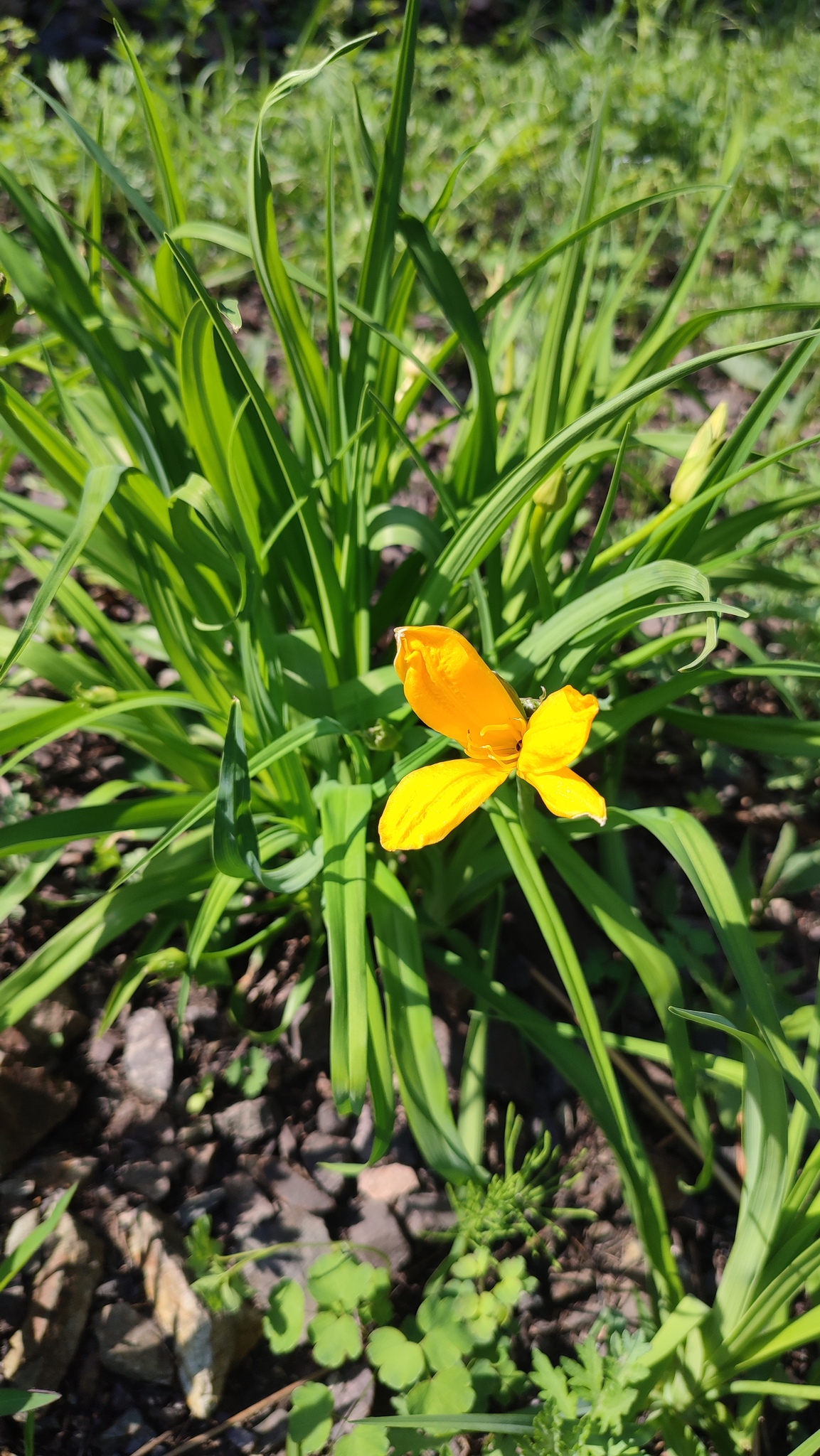
Amur Daylily
Hemerocallis middendorffii
☀️ Full Sun 💧 Moderate
Arctic Beauty Kiwi
Actinidia kolomikta
☀️ Partial Sun 💧 Moderate

Balloon Flower
Platycodon grandiflorus
☀️ Full Sun 💧 Moderate
Blackberry Lily
Iris domestica
☀️ Full Sun 💧 Moderate

Chinese Juniper
Juniperus chinensis
☀️ Full Sun 💧 Low

Chinese Mugwort
Artemisia argyi
☀️ Full Sun 💧 Moderate

Crimson Glory Vine
Vitis coignetiae
☀️ Full Sun 💧 Moderate
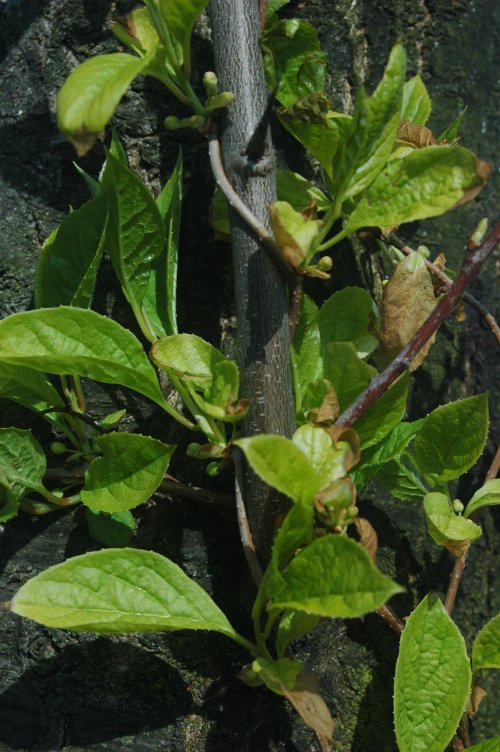
Five-Flavor Berry
Schisandra chinensis
☀️ Partial Sun 💧 Moderate

Five-Rib Thyme
Thymus quinquecostatus
☀️ Full Sun 💧 Low

Hardy Kiwi
Actinidia arguta
☀️ Full Sun 💧 Moderate

Japanese Iris
Iris ensata
☀️ Full Sun 💧 High

Japanese Red Pine
Pinus densiflora
☀️ Full Sun 💧 Low
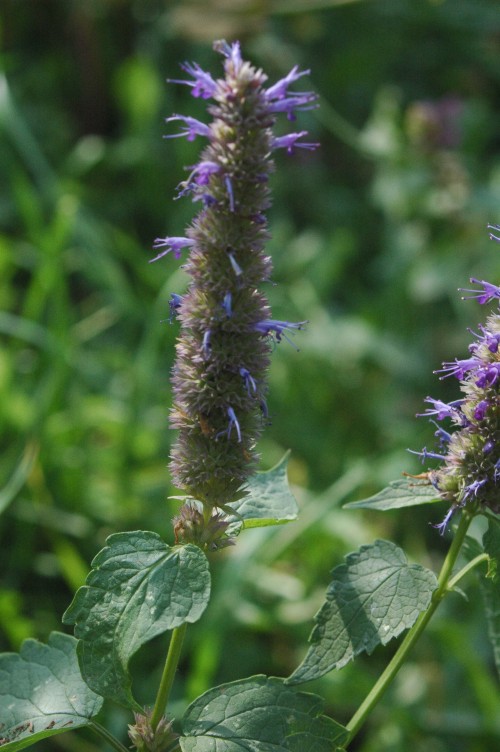
Korean Mint
Agastache rugosa
☀️ Full Sun 💧 Moderate

Korean Raspberry
Rubus crataegifolius
☀️ Full Sun 💧 Moderate

Manchurian Violet
Viola mandshurica
☀️ Partial Sun 💧 Moderate
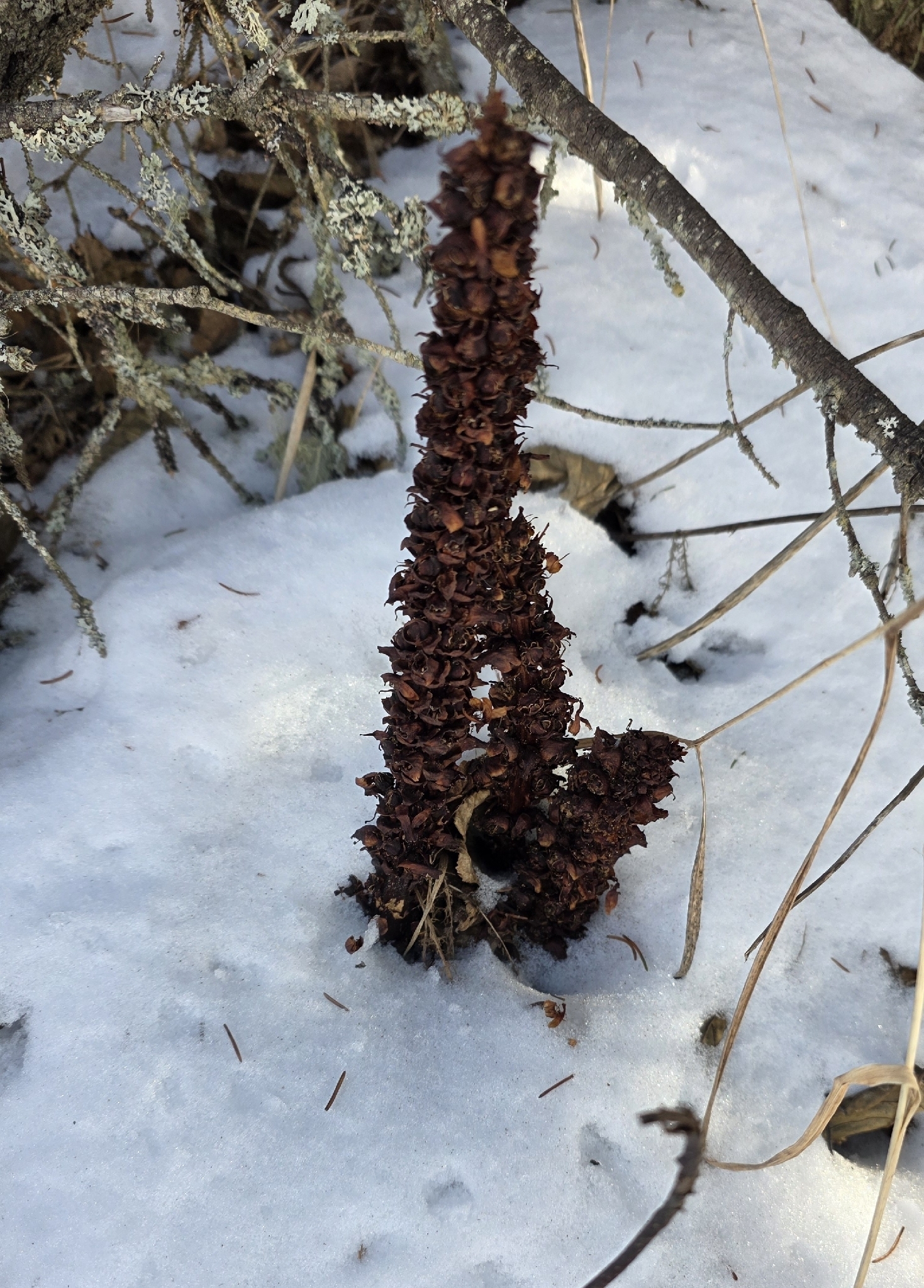
Northern Groundcone
Boschniakia rossica

Old-Fashioned Weigela
Weigela florida
☀️ Full Sun 💧 Moderate

Sakhalin Raspberry
Rubus sachalinensis

Tiger Lily
Lilium lancifolium
☀️ Full Sun 💧 Moderate
Wasabi
Eutrema japonicum
☀️ Full Shade 💧 High
Common Questions
What winter temperatures can Russian Far East plants withstand?
Most plants native to the Russian Far East tolerate winter temperatures as low as -35 °C (-31 °F) when fully dormant.
Do Russian Far East plants require full sun?
Most species from this region require at least 6 hours of direct sunlight daily to flower profusely and yield fruit.
Which Russian Far East plants produce edible fruit?
Hardy kiwi (Actinidia arguta) and five-flavor berry (Schisandra chinensis) produce sweet or tangy edible berries in late summer and autumn.