Plants Native to Southeastern Europe
11 plant profiles · Discover hardy trees, herbs, and flowers native to Southeastern Europe, from English Walnut to Cherry Laurel, with expert growing advice.
Plants from Southeastern Europe originate in a diverse landscape ranging from the rugged Balkan Mountains to the sunny Aegean coast. This region experiences hot, dry summers and cool, often wet winters, which has produced a group of plants known for their resilience to temperature fluctuations and ability to thrive in rocky or alkaline soils. When choosing a species from this area, consider your garden scale and soil type, as the group includes everything from massive timber trees to delicate alpine bulbs.
For large landscapes, the Oriental Plane (Platanus orientalis) provides significant shade with its massive 30 m (100 ft) spread, while the European Turkey Oak (Quercus cerris) is a fast-growing alternative for parks. If you are looking for edible or medicinal additions, the English Walnut (Juglans regia) offers high-protein nuts, and Horseradish (Armoracia rusticana) provides pungent roots that thrive in deep, moist soil.
Ornamental needs are met by the Golden Crocus (Crocus chrysanthus), which pushes through the snow as early as February, and the Rose Campion (Silene coronaria), which displays silver-felted foliage and magenta flowers throughout the summer. For year-round structure, the Cherry Laurel (Prunus laurocerasus) is a standard choice for dense, evergreen hedging that can reach 8 m (26 ft) if left unpruned. Herbaceous perennials like Feverfew (Tanacetum parthenium) and Common Motherwort (Leonurus cardiaca) are traditionally grown in cottage gardens for their historical medicinal uses and their ability to attract beneficial insects.

Annual Baby’s Breath
Gypsophila elegans
☀️ Full Sun 💧 Moderate
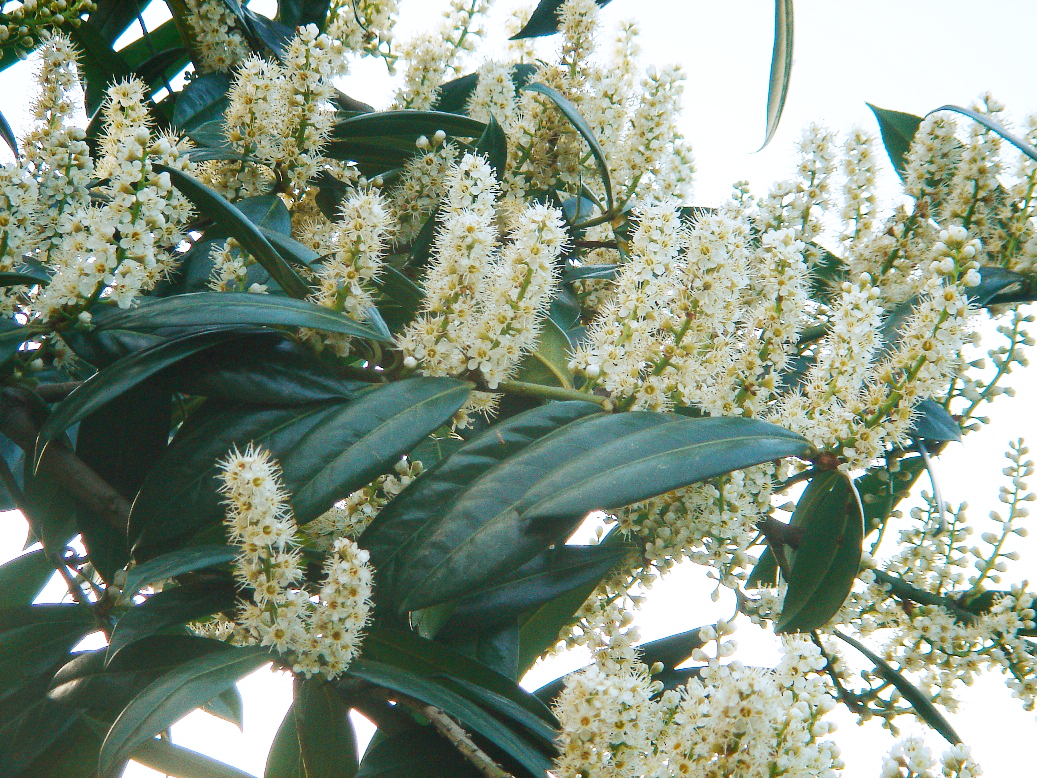
Cherry Laurel
Prunus laurocerasus
☀️ Partial Sun 💧 Moderate
Common Motherwort
Leonurus cardiaca
☀️ Full Sun 💧 Moderate

Costmary
Tanacetum balsamita
☀️ Full Sun 💧 Moderate

English Walnut
Juglans regia
☀️ Full Sun 💧 Moderate
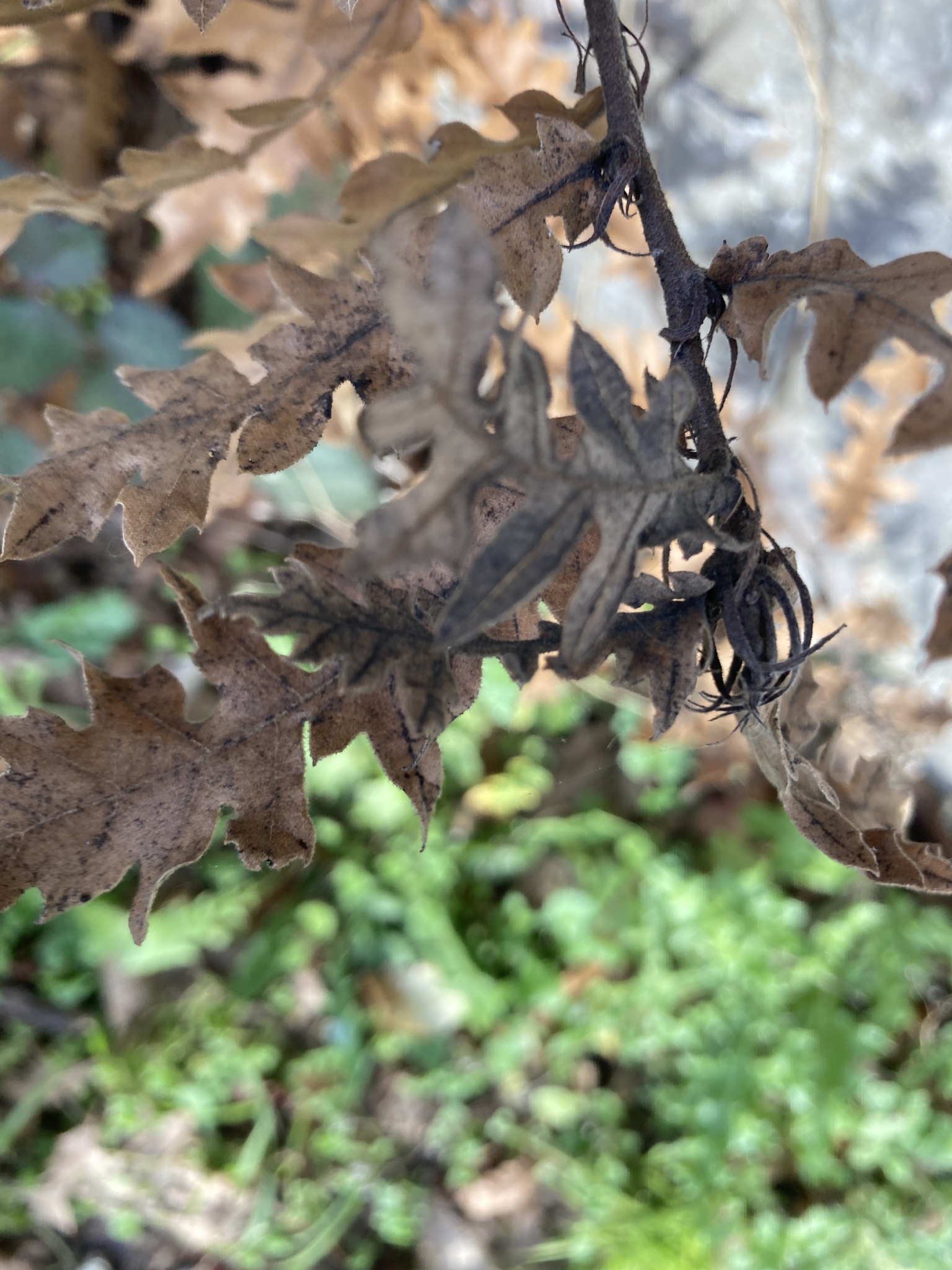
European Turkey Oak
Quercus cerris
☀️ Full Sun 💧 Moderate

Feverfew
Tanacetum parthenium
☀️ Full Sun 💧 Moderate
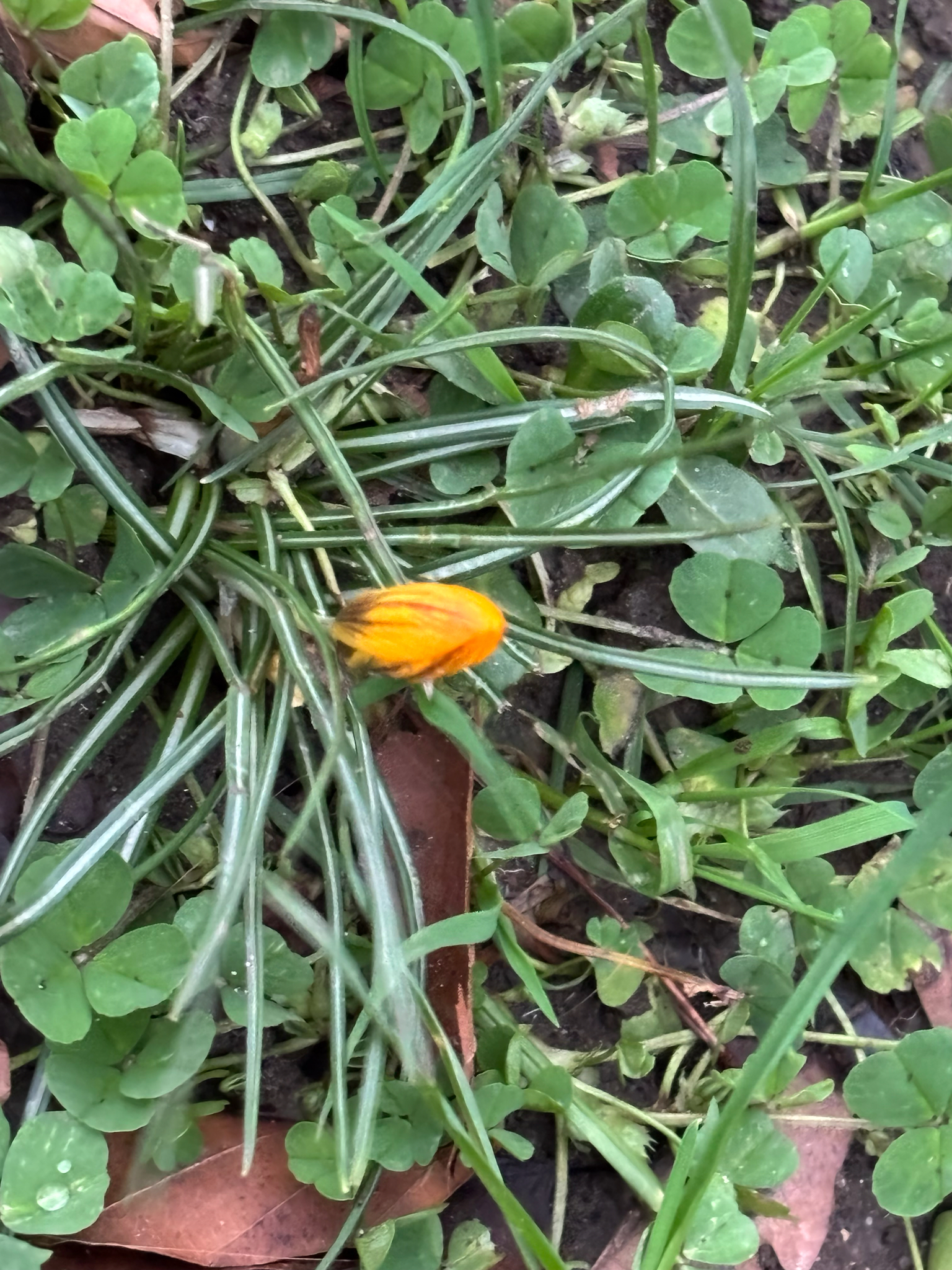
Golden Crocus
Crocus chrysanthus
☀️ Full Sun 💧 Low

Horseradish
Armoracia rusticana
☀️ Full Sun 💧 Moderate

Oriental Plane
Platanus orientalis
☀️ Full Sun 💧 Moderate

Rose Campion
Silene coronaria
☀️ Full Sun 💧 Low
Common Questions
Which Southeastern European plants are best for privacy?
The Cherry Laurel (Prunus laurocerasus) is the most effective choice for privacy because it grows up to 60 cm (24 in) per year and maintains its thick, leathery leaves throughout the winter.
Do plants from this region need acidic soil?
Most plants from Southeastern Europe prefer neutral to alkaline soils, as much of their native terrain is limestone-based.
Are these species invasive in North America?
Some species, such as the Cherry Laurel and Common Motherwort (Leonurus cardiaca), are considered invasive in certain US states because they spread rapidly via seeds or runners and can displace native vegetation.