Costmary (Tanacetum balsamita) is a hardy perennial herb native to Southeastern Europe and Western Asia, recognized for its large, balsam-scented leaves that emit a warm mint fragrance when brushed.
Historically brewed as a beer clarifyer and flavor enhancer under the name alecost, this ancient herb requires minimal attention once established in USDA zones 4 through 8.
Key Facts
- Plant Type: Herbaceous perennial
- Sunlight: Full sun to partial shade
- Hardiness: USDA zones 4 to 8
- Watering: When top 5 cm (2 in) is dry
- Height: 60–120 cm (24–48 in)
- Propagation: Root division or rhizomes
Growing Costmary in Your Herb Garden
Costmary is a vigorous, spreading perennial herb best suited for sun-lit herb beds, cottage borders, or container plantings in USDA zones 4 to 8.
This hardy plant spreads via underground rhizomes to form clumps up to 90 cm (36 in) wide. It tolerates dry spells once established and thrives in cottage gardens where its broad leaves provide texture alongside fine-foliage plants.
Because costmary spreads steadily through root runners, control its spread by planting inside sunken bottomless containers or dividing the clump every 3 years. It appeals to gardeners seeking historic culinary herbs that require minimal chemical inputs or fertilizer.
Costmary Plant Leaf and Flower Appearance
Costmary features soft, finely serrated, silvery-green leaves reaching 15–30 cm (6–12 in) long and tight yellow flower heads in late summer.
The basal foliage consists of long, oval leaves with pale gray-green undersides and a distinct eucalyptus-mint fragrance. Upright stems rise to heights of 120 cm (48 in), bearing smaller stem leaves that lack petioles.
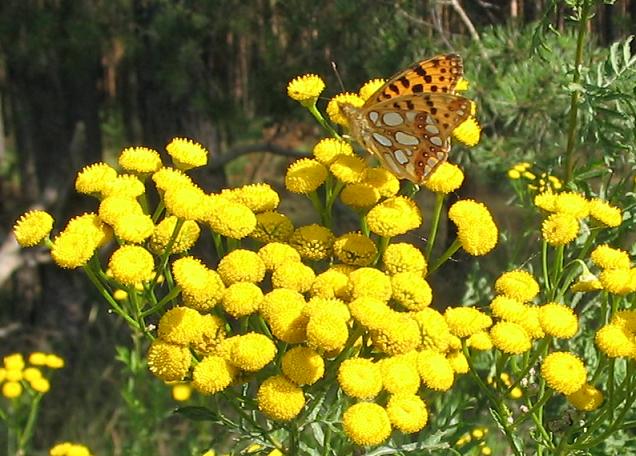
In mid to late summer, small, button-like yellow flower heads measure 6–8 mm (0.25 in) across, arranged in flat-topped corymbs. The wild type bears tiny white ray petals, though the common cultivated form Tanacetum balsamita var. balsamita often produces rayless yellow button blooms.
Ideal Soil and Light Conditions for Tanacetum balsamita
Costmary performs best in full sun receiving at least 6 hours of direct sunlight daily and well-draining soil with a pH between 6.0 and 7.5.
While full light yields the strongest aromatic oils in the leaves, plants grow adequately in partial shade, particularly in hot southern regions. Excess shade produces weak, floppy flower stems that require staking.
Soil drainage is vital because soggy winter roots trigger crown rot. Lean to moderately fertile sandy loam yields stronger leaf aroma than heavily fertilized, nitrogen-rich ground.
- Sun Exposure: Full sun (6+ hours daily)
- Soil Type: Sandy, loamy, or gravelly soils
- Soil pH: Neutral to slightly alkaline (6.0–7.5)
- Drainage: High drainage required to prevent root rot
Planting and Growing Costmary Seeds or Root Divisions
Propagate costmary by spring root division, as costmary seeds often fail to produce true-to-type, strongly scented plants.
To divide established clumps, dig up underground rhizomes in early spring just as new growth emerges. Cut root sections into 10 cm (4 in) segments containing at least two active buds, and plant them 3 cm (1.2 in) deep in fresh garden beds.
If growing from seeds, sow indoors 6–8 weeks before the last spring frost at 18–21 °C (65–70 °F). Barely cover the fine seeds with vermiculite, maintaining light moisture until germination occurs in 14–21 days. Space mature transplants 45–60 cm (18–24 in) apart.
- Division Timing: Early spring or early autumn
- Seed Germination Temp: 18–21 °C (65–70 °F)
- Seed Depth: Barely covered (light required)
- Plant Spacing: 45–60 cm (18–24 in) apart
How to Care for Costmary Plants
Water costmary when the top 5 cm (2 in) of soil dries out completely, avoiding overwatering at all stages.
Established plants demonstrate exceptional drought tolerance and rarely require supplemental irrigation outside prolonged hot dry spells. Apply a 5 cm (2 in) layer of organic mulch around the root base in spring to conserve moisture and suppress weeds.
Avoid heavy applications of high-nitrogen fertilizer, which encourage sap-rich, leggy growth with muted aroma. Top-dress around the base with 2 cm (0.8 in) of well-rotted compost each spring to supply all necessary nutrients for the growing season.
How and When to Harvest Costmary
Harvest costmary leaves in early morning before midsummer flowering, when essential oils reach peak concentration in the leaf tissue.
Pick individual young tender leaves from the base of the plant for fresh culinary use. Older lower leaves become bitter and tough as flower stalks expand during July and August.
Cut whole stems back by one-third using sharp garden shears to promote a fresh flush of foliage late in the season. Leave at least 10 cm (4 in) of growth above ground level so the root system maintains vigor into winter.
- Best Harvest Time: Late spring to early summer before flowering
- Daily Timing: Morning after dew evaporates
- Tool: Clean snips or sharp bypass pruners
- Method: Strip outer young leaves or cut stem tips
Costmary Uses, Tea, and Alecost History
Historically used to clarify and flavor ale before hops became widespread, costmary leaves were traditionally infused into tanacetum balsamita tea and potpourris.
The common name alecost reflects its historic brewing role across medieval Europe, where leaves added bitterness and preservative properties to draft beer. Dried leaves served as bookmarks in Bibles due to their lasting lemon-mint scent, earning the historic moniker Bible leaf.
In herbal traditions, costmary tea was traditionally brewed using dried leaves as a gentle digestive drink. Due to essential oils containing thujone, leaves should be used sparingly in cooking, adding a sharp, mint-balsam accent to salads, soups, and game stuffing.
Common Costmary Plant Pests and Diseases
Costmary experiences minimal disease issues when planted in well-drained soil, though aphids and powdery mildew occasionally target dense growth.
High humidity and crowded planting locations encourage powdery mildew, visible as a white powder on leaf surfaces. Prune crowded stems to improve air circulation and avoid overhead watering in late evening.
Aphids and spider mites may congregate on soft spring shoots during dry spells. Blast colonies off foliage with a firm spray of water, or apply dilute insecticidal soap to infested stem tips.
- Powdery Mildew: White leaf dust caused by crowded, humid conditions
- Root Rot: Stem collapse caused by soggy soil
- Aphids: Sap-sucking insects on young shoots
- Leggy Growth: Stem flopping caused by excessive shade
Drying and Storing Costmary Leaves
Dry costmary leaves on flat wire trays in a warm, dark room at 20–25 °C (68–77 °F) for 7 to 10 days until crisp.
Strip harvested stems and spread individual leaves in a single layer to ensure uniform airflow. Alternatively, bundle 5–8 stems together with twine and hang them upside down in a ventilated dry space out of direct sunshine.
Crumble dried leaves gently and store them in airtight glass jars away from direct heat and sunlight. Retained volatile oils preserve their distinct balsam-mint aroma for up to 12 months in airtight storage.
Frequently Asked Questions
What is the difference between costmary vs mint?
Costmary (Tanacetum balsamita) belongs to the sunflower family and bears large, undivided leaves on rounded stems, whereas true mints (Mentha spp.) belong to the Lamiaceae family with square stems and opposite leaves.
How does costmary compare to tansy?
Costmary has broad, oblong leaves with a balsam-mint aroma, while common tansy (Tanacetum vulgare) has finely cut, fern-like leaves with a harsh, pungent scent.
What is the difference between costmary vs rosemary?
Costmary is a herbaceous perennial with wide, soft green leaves, whereas rosemary (Salvia rosmarinus) is a woody evergreen shrub with stiff, needle-like foliage.
What are traditional costmary medicinal uses?
Traditionally, costmary tea was prepared from dried leaves as a home tonic for digestive comfort, though modern culinary use is kept light due to essential oils.
What is the historic meaning and symbolism of costmary?
Costmary historically symbolized sweet memory and devotion, often termed Bible leaf because its sweet-scented dried leaves were placed inside religious texts as aromatic bookmarks.
Information about traditional or historical uses is provided for educational interest only and is not medical advice. Do not use any plant to treat a condition without speaking to a qualified professional.
Sources & Verification
Taxonomy and distribution are checked against the databases below. Care guidance is written for cultivated species only and reviewed by our editor. How We Build Plant Profiles →