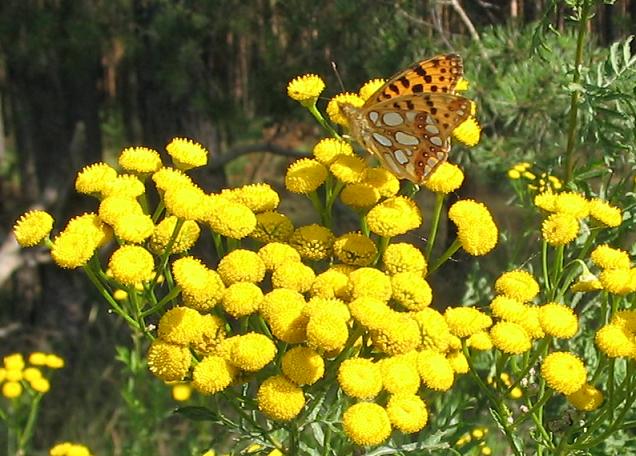
Feverfew (Tanacetum parthenium) is an aromatic herbaceous perennial native to the Balkan Peninsula, bearing dense clusters of small daisy-like flower heads and deeply cut, yellow-green leaves. It spreads readily by self-seeding once established in garden borders or containers.
Plants thrive in average, well-draining ground and reach full maturity in their first summer from seed. The foliage releases a pungent, bitter scent when bruised that discourages browsing deer and rabbits.
Key Facts
- Light: Full sun to light afternoon shade
- Water: Allow top 5 cm (2 in) to dry
- Soil: Well-drained, sandy loam, pH 6.0–7.2
- Mature Size: 30–60 cm (12–24 in) tall
- Hardiness: USDA Zones 5 to 9
- Pet Safety: Toxic to dogs and cats
Growing Feverfew in Gardens and Containers
Feverfew suits open, sunny herbaceous borders, gravel gardens, and patio pots at least 25 cm (10 in) wide with bottom drainage holes. It adapts quickly to lean soil and resists hot dry spells better than tender kitchen herbs.
In container plantings or small city plots, keep in mind that individual clumps behave as short-lived perennials, typically lasting two to three seasons before declining. They replenish their presence through prolific self-seeding unless spent flower heads are sheared before going to seed.
Grow feverfew near pathways or kitchen doors only if you appreciate its strong camphor-like scent. The aromatic compounds help deter garden pests, making it a functional companion alongside vegetable beds.
How to Identify Feverfew Foliage and Blooms
You can identify feverfew by its pungent, yellow-green bipinnate leaves that measure 2–8 cm (0.8–3.1 in) long and emit a bitter, citrus-chrysanthemum scent when touched. The upright, ribbed stems branch near the top to carry loose flat-topped corymbs.
Flowering occurs from June through September across temperate zones. Each flower head spans 1.5–2 cm (0.6–0.8 in) across, featuring a central disc of bright yellow florets surrounded by 10 to 20 short, blunt white ray petals.
- Foliage: Alternate, deeply lobed or feather-like, pale green to chartreuse
- Flower heads: Small daisy-like buttons in terminal clusters
- Stems: Stiff, furrowed, finely pubescent, reaching 30–60 cm (12–24 in)
- Root system: Fibrous crown with shallow lateral roots
Sunlight and Soil Requirements
Feverfew performs best in full sun receiving 6 or more hours of direct light daily, though it tolerates light afternoon shade in hot inland climates. Insufficient light causes weak, spindly stems that flop under the weight of summer blossoms.
Soil drainage must be sharp to prevent winter crown rot. The plant accepts dry, rocky, or sandy substrates with neutral to slightly acidic pH values between 6.0 and 7.2.
Avoid heavily amended ground rich in organic matter or high-nitrogen fertilizers. Excess soil fertility stimulates lush foliage at the expense of floral buds and weakens the concentration of aromatic essential oils.
Starting Feverfew from Seeds and Cuttings
Surface-sow feverfew seeds indoors 6 to 8 weeks before the last spring frost, leaving them uncovered because they require light to germinate. Maintain a soil temperature of 18–21 °C (65–70 °F) for emergence within 10 to 14 days.
You can also propagate mature plants via basal cuttings taken in late spring or by dividing dormant root clumps every two years. Direct outdoor sowing succeeds after the final frost date when soil temperatures remain steadily above 15 °C (59 °F).
- Press seeds lightly into moist seed-starting mix without burying them
- Mist with a spray bottle to avoid dislodging fine seeds
- Thin indoor seedlings to one per cell once first true leaves form
- Harden off young plants over 7 to 10 days before garden planting
- Space garden transplants 30 cm (12 in) apart in free-draining beds
Feverfew Plant Care and Moisture Needs
Water established plants only after the top 5 cm (2 in) of soil dries completely, as feverfew exhibits notable drought tolerance once rooted. Young seedlings require consistent moisture during their initial four weeks of outdoor establishment.
Overwatering presents the primary hazard, particularly during cold shoulder seasons. Potted specimens demand well-aerated potting mixes blended with 25 percent perlite or coarse grit to prevent standing water around the crown.
Deadhead faded flower corymbs weekly through July and August to prolong flowering into autumn. Cut the entire plant back by one-third after the main summer flush to encourage compact basal growth before winter.
Harvesting Leaves and Flower Heads
Harvest feverfew flowers when the ray florets have opened fully but before the central discs turn brown. Gather stems in mid-morning after dew evaporates but prior to midday heat when volatile oils peak.
Use sharp shears to snip stems roughly 5–10 cm (2–4 in) above the soil crown, leaving lower foliage intact to support continuous growth. Individual leaves may be collected throughout the growing season as needed.
- Wear thin gardening gloves when harvesting, as direct sap contact can irritate sensitive skin
- Pick unblemished, fully expanded blossoms for drying
- Rinse stems gently under cool running water and shake off excess moisture
- Discard any yellowing or insect-damaged foliage immediately
Traditional Uses, Tea, and Supplements
Feverfew was traditionally used as a bitter household tonic, febrifuge, and herbal remedy for headaches across European folk traditions. Historical texts documented the preparation of teas and tinctures from the flowering aerial parts.
The principal active compound is the sesquiterpene lactone parthenolide, which modern researchers study regarding its influence on blood vessel constriction and smooth muscle tone. Commercial dietary supplements utilize standardized powdered leaf extracts in capsule forms.
Fresh leaves carry an intensely bitter, acrid taste and are not consumed as culinary greens. Traditionally brewed teas were sweetened with honey to offset their sharp bitterness.
Feverfew Pests, Diseases, and Troubleshooting
Feverfew encounters few severe pest issues thanks to its natural pyrethrin-related aromatic compounds, but aphids and spider mites can colonize dense stem tips during dry spells. Wash infestations away with a steady stream of water or insecticidal soap.
Fungal issues like powdery mildew emerge in crowded plantings with poor air circulation or damp foliage. Water at ground level early in the day rather than using overhead sprinklers.
- Root rot: Caused by heavy, saturated soil; remedy by amending with grit or moving to raised beds
- Powdery mildew: Manifests as white dust on foliage; thin dense growth to restore air flow
- Aphids: Clustered insects on tender buds; rinse off with strong water jets
- Stem flopping: Results from over-fertilization or inadequate sunlight; prune back by half
Drying and Storing Feverfew
Dry harvested feverfew stems by hanging them in small bundles in a dark, dry room with good air movement at 20–25 °C (68–77 °F) for 7 to 10 days. Direct sunlight and high heat degrade the delicate essential oils and darken petals.
Once the leaves and blossoms crumble readily between your fingertips, strip them gently from the fibrous stems. Discard tough woody stems to maximize storage space and material purity.
Seal dried material in airtight glass jars kept in a cool, dark cupboard away from moisture. Properly stored dried herb maintains its aroma and potency for 12 to 18 months.
Year-Round Feverfew Care Calendar
| Spring | Sow seeds indoors 6 to 8 weeks before the last frost. Divide two-year-old crowns as new growth emerges and apply a 2 cm (0.8 in) layer of compost around mature clumps. |
|---|---|
| Summer | Harvest open flower heads on dry mornings. Water potted plants when dry to 5 cm (2 in) deep, and shear back mid-season stems by one-third after the first heavy bloom. |
| Autumn | Cut old flowering stalks down to basal rosettes before first frost to prevent unwanted seedlings. Reduce watering frequency as growth halts in cooling weather. |
| Winter | In USDA Zones 5 and 6, apply a light mulch of evergreen boughs or straw around the crown after ground freezes. Move container plants into an unheated garage or sheltered porch. |
Diagnosing Common Feverfew Problems
| What you see | Likely cause | What to do |
|---|---|---|
| Blackened or mushy crown at soil level | Overwatering or poorly draining soil leading to fungal crown rot | Discard affected plants, reduce irrigation, and replant in sandy, gritty soil with free drainage. |
| Stems stretch tall and fall over | Insufficient direct sunlight or excessive nitrogen fertilizer | Relocate the plant to an area receiving 6 hours of direct sun and cease fertilizer applications. |
| White powdery patches on leaf surfaces | Powdery mildew infection encouraged by stagnant air and shaded foliage | Prune out crowded center stems to improve air circulation and avoid wetting foliage during irrigation. |
| Curled, distorted leaves on young terminal shoots | Aphid infestation feeding on plant juices | Dislodge colonies with a sharp blast of water or treat foliage with horticultural soap spray. |
Feverfew Cultivars for Garden Borders
- ‘Aureum’ – bright chartreuse foliage, 30 cm tall
- ‘White Bonnet’ – crested double white flower heads
- ‘Tetra White’ – compact habit, dense pure white blooms
- ‘Flore Pleno’ – double button-like flowers without prominent discs
- ‘Golden Moss’ – dwarf selection forming 15 cm mounds
Frequently Asked Questions
What is the difference between feverfew and chamomile?
Feverfew features broad, lobed, flat green leaves and flat flower corymbs, whereas German chamomile (Matricaria chamomilla) and Roman chamomile (Chamaemelum nobile) have feathery, thread-like leaves and hollow, domed yellow centers with an apple-like fragrance.
Does feverfew need full sun?
Yes, feverfew produces the sturdiest stems and most blooms in full sun with 6 or more hours of direct exposure daily. It tolerates partial shade in hot southern zones, though stems may require staking if grown in too much shade.
What does feverfew do for the body?
Feverfew was traditionally used to soothe headaches, reduce fevers, and ease inflammatory symptoms. Modern herbal studies focus on parthenolide compounds that may help inhibit serotonin release and reduce muscle spasms in blood vessels.
Can you grow feverfew indoors in pots?
You can grow feverfew indoors on an unshaded south-facing windowsill that receives at least 5 hours of direct light, or under supplemental full-spectrum grow lights for 12 hours daily. Use a container with drainage holes and a gritty potting mix, allowing it to dry slightly between waterings.
Can you drink feverfew tea daily?
Feverfew tea has a very bitter taste, and frequent consumption of raw leaves or strong infusions can trigger mouth ulcers, tongue swelling, or abdominal cramping. Individuals who are pregnant or taking anticoagulant medications should avoid feverfew preparations.
Information about traditional or historical uses is provided for educational interest only and is not medical advice. Do not use any plant to treat a condition without speaking to a qualified professional.
Sources & Verification
Taxonomy and distribution are checked against the databases below. Care guidance is written for cultivated species only and reviewed by our editor. How We Build Plant Profiles →
- Kew Plants of the World OnlineTaxonomy, distribution, and native range data.
- Royal Horticultural SocietyCultivation, hardiness, and garden performance.
- NC State Extension Gardener Plant ToolboxMorphology, landscape use, and toxicity details.
- ASPCA Animal Poison ControlPet toxicity profile for Tanacetum species.
- GBIF — Global Biodiversity Information Facilitytaxonomy, synonyms, occurrence records
- Wikipediageneral reference