Plants Native to Southern Asia
16 plant profiles · Discover plants native to Southern Asia, from edible crops like ash gourd to flowering flame lilies. Learn about their origins, sunlight, and soil needs.
Southern Asia spans tropical rainforests, arid plains, and humid monsoon corridors, yielding a diverse native flora adapted to intense sunlight and seasonal moisture variations. Many species from this region evolved along river basins and warm coastal zones where winter temperatures rarely drop below 10 °C (50 °F). Understanding where a plant originates within Southern Asia helps you match its soil moisture, drainage, and light requirements in your garden or indoor living space.
When choosing plants from this region, select based on growth habit and winter hardiness. Fast-growing culinary herbs like clove basil (Ocimum gratissimum) and fruit-bearing trees such as Indian gooseberry (Phyllanthus emblica) require full sun and consistently warm conditions above 15 °C (59 °F). Climbing perennials like the flame lily (Gloriosa superba) and air potato (Dioscorea bulbifera) need vertical support and moist, well-draining soil during their active growing season. For hedging or ornamental foliage, shrubby species like oleander (Nerium oleander) offer heat tolerance, while ash gourd (Benincasa hispida) provides an annual vining crop suited to long, hot summers.
Always account for toxicity and invasiveness before planting. Species like oleander contain cardiac glycosides that are toxic to humans and pets if ingested, requiring careful placement away from livestock and children. Fast-spreading tubers and seeds from air potato can outcompete neighboring garden beds if uncontained, so growing aggressive growers in pots or raised beds helps maintain order.

Air Potato
Dioscorea bulbifera
☀️ Full Sun 💧 Moderate
Ajwain
Trachyspermum ammi
☀️ Full Sun 💧 Moderate

Clove Basil
Ocimum gratissimum
☀️ Full Sun 💧 Moderate
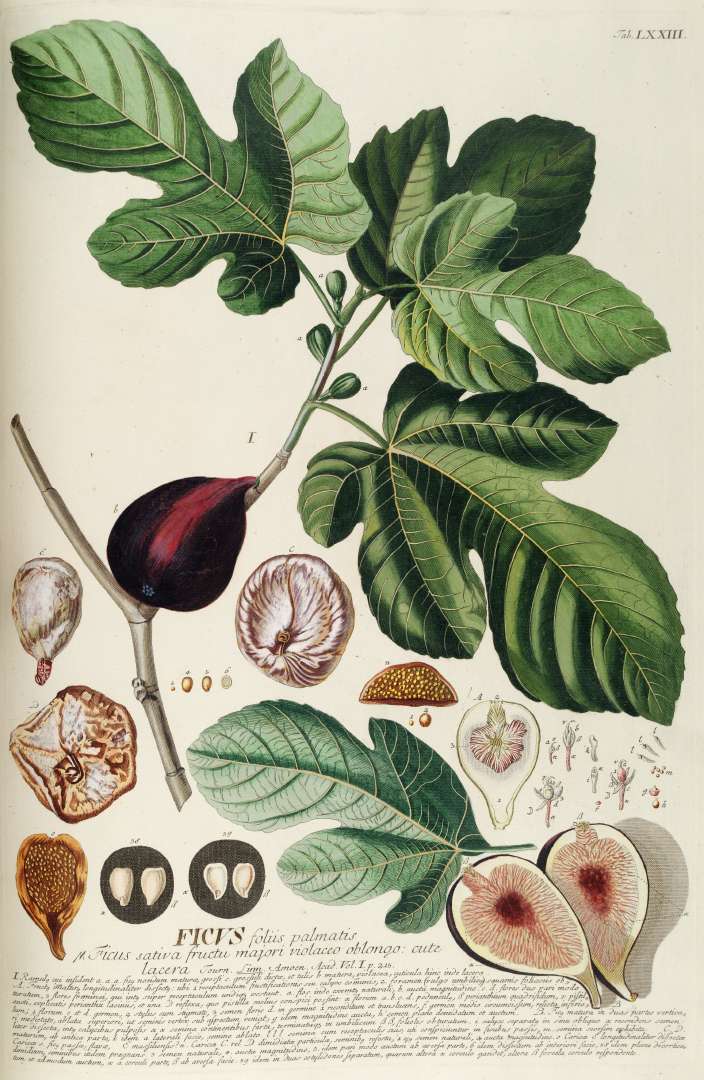
Common Fig
Ficus carica
☀️ Full Sun 💧 Moderate

European Mistletoe
Viscum album
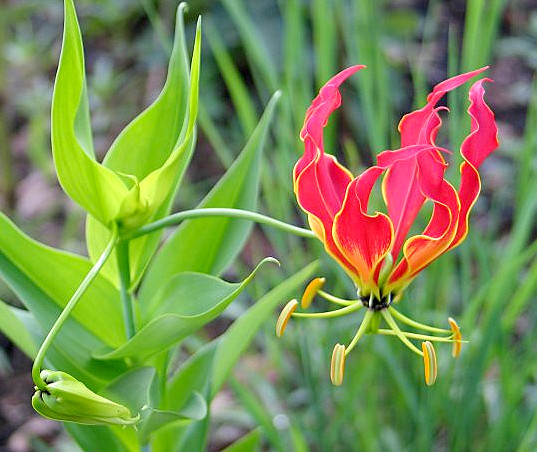
Flame Lily
Gloriosa superba
☀️ Bright Indirect 💧 Moderate

Indian Charcoal Tree
Trema orientale
☀️ Full Sun 💧 Moderate
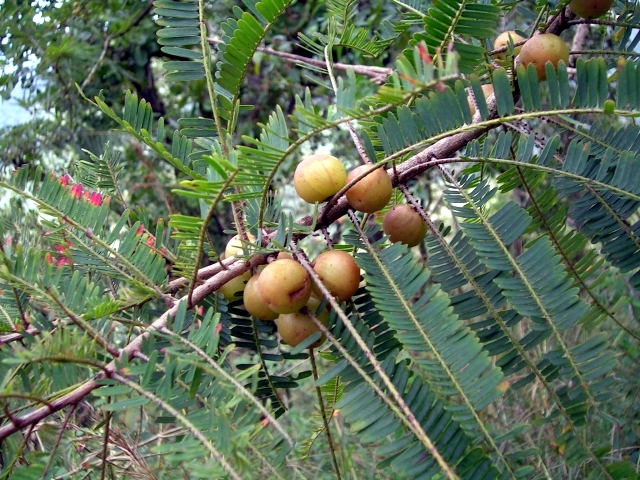
Indian Gooseberry
Phyllanthus emblica
☀️ Full Sun 💧 Moderate

Jointed Flatsedge
Cyperus articulatus
💧 Aquatic

Jungle Geranium
Ixora coccinea
☀️ Full Sun 💧 Moderate

Lemon
Citrus limon
☀️ Full Sun 💧 Moderate
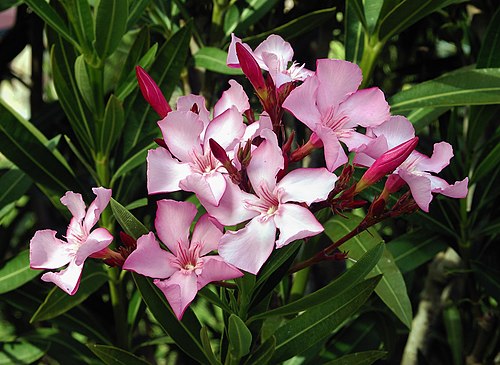
Oleander
Nerium oleander
☀️ Full Sun 💧 Low
Oleander
Nerium indicum
☀️ Full Sun 💧 Low

Purple Nutsedge
Cyperus rotundus
☀️ Full Sun 💧 High

Red Sandalwood
Adenanthera pavonina
☀️ Full Sun 💧 Moderate

Roundleaf Toothcup
Rotala rotundifolia
☀️ Bright Indirect 💧 Aquatic
Common Questions
Which plants native to Southern Asia are easy to grow indoors?
Clove basil and potted figs thrive indoors when given at least 6 hours of direct sunlight daily and well-draining potting soil.
Are plants native to Southern Asia frost tolerant?
Most species native to tropical Southern Asia cannot survive temperatures below 0 °C (32 °F), though temperate species like common fig handle light frosts.
Which Southern Asian plants are toxic to pets?
Oleander is highly toxic to dogs and cats, containing cardiac glycosides that cause severe heart disruption if consumed.
How much water do Southern Asian plants need?
Monsoonal species require regular moisture during active summer growth but need water reduced by 50 percent during winter dormancy.