Plants Native to Sri Lanka
26 plant profiles · Explore plants native to Sri Lanka, from tropical trees to aquatic species. Learn their growing requirements, hardiness zones, and care needs.
Plants native to Sri Lanka originate from a tropical island environment characterised by temperatures between 24 and 32 °C (75 and 90 °F) and distinct monsoon seasons. The island climate ranges from wet rainforest terrain in the southwest to dry scrublands in the north and east, creating diverse habitats for aquatic plants, understory shrubs, and canopy trees. Spices like Ceylon cinnamon (Cinnamomum verum) and culinary crops like the curry tree (Murraya koenigii) evolved in these warm, high-humidity environments.
Selecting the right Sri Lankan species depends on your available space, ambient humidity, and lighting setup. Aquarists and indoor growers often choose compact, shade-tolerant plants such as Wendt’s water trumpet (Cryptocoryne wendtii) or firecracker flower (Crossandra infundibuliformis). Outdoor gardeners in USDA hardiness zones 10 through 11 can grow larger woody perennials like jungle geranium (Ixora coccinea) or the Ashoka tree (Saraca asoca).
Most plants from this region grow best in well-draining soil with a pH between 5.5 and 6.5 alongside consistent moisture during active growth. Wet-zone species require atmospheric humidity above 60 percent, whereas dry-zone species tolerate short dry spells once established. Protect all Sri Lankan plants from temperatures below 10 °C (50 °F) to prevent foliage damage.
Arjun Tree
Terminalia arjuna
☀️ Full Sun 💧 High

Ashoka Tree
Saraca asoca
☀️ Full Sun 💧 Moderate

Avaram
Senna auriculata
☀️ Full Sun 💧 Low
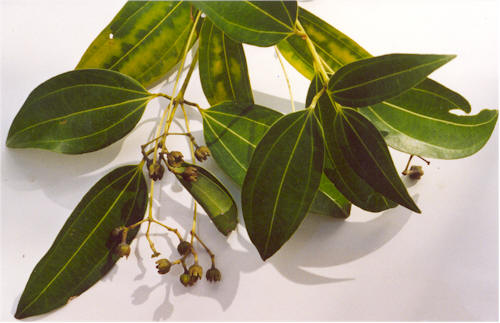
Ceylon Cinnamon
Cinnamomum verum
☀️ Full Sun 💧 Moderate
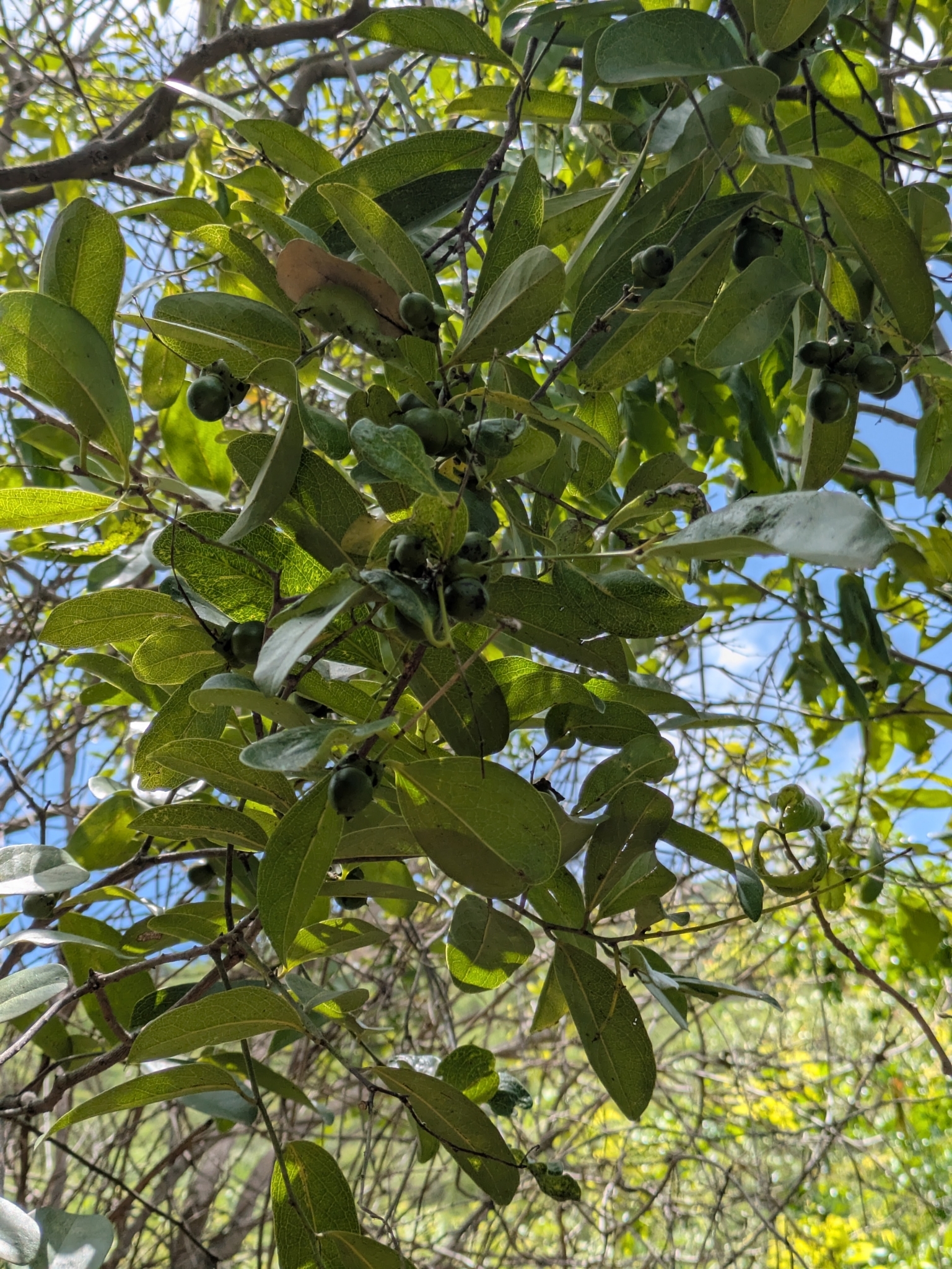
Ceylon Ebony
Diospyros ebenum
☀️ Full Sun 💧 Moderate

Ceylon Olive
Elaeocarpus serratus
☀️ Full Sun 💧 Moderate
Citronella
Cymbopogon nardus
☀️ Full Sun 💧 High

Curry Tree
Murraya koenigii
☀️ Full Sun 💧 Moderate
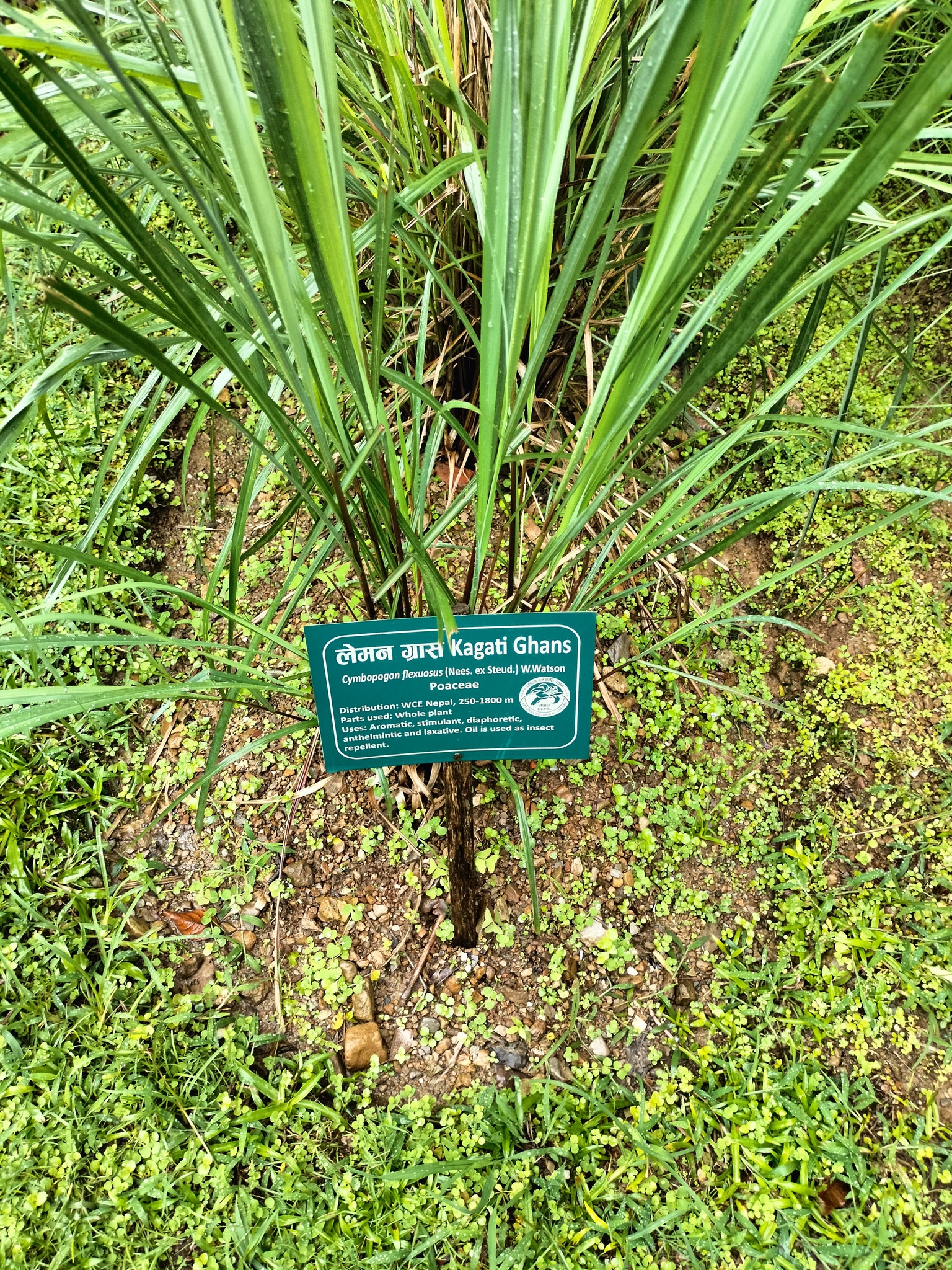
East Indian Lemongrass
Cymbopogon flexuosus
☀️ Full Sun 💧 High
False Ashoka
Polyalthia longifolia
☀️ Full Sun 💧 Moderate

Firecracker Flower
Crossandra infundibuliformis
☀️ Bright Indirect 💧 Moderate

Flame of the Forest
Butea monosperma
☀️ Full Sun 💧 Low

Green Cardamom
Elettaria cardamomum
☀️ Partial Shade 💧 High

Haritaki
Terminalia chebula
☀️ Full Sun 💧 Moderate

Horse Gram
Macrotyloma uniflorum
☀️ Full Sun 💧 Low
Jaggery Palm
Caryota urens
☀️ Full Sun 💧 High

Jungle Geranium
Ixora coccinea
☀️ Full Sun 💧 Moderate

Kalmegh
Andrographis paniculata
☀️ Partial Sun 💧 Moderate

Mahua Tree
Madhuca longifolia
☀️ Full Sun 💧 Low

Malayan Spurge Tree
Euphorbia antiquorum
☀️ Full Sun 💧 Low

Mistletoe Cactus
Rhipsalis baccifera
☀️ Bright Indirect 💧 Moderate

Mottled Spurge
Euphorbia lactea
☀️ Bright Indirect 💧 Low

Queen Sago
Cycas circinalis
☀️ Partial Sun 💧 Low

Red Water Lily
Nymphaea rubra
☀️ Full Sun 💧 Aquatic
Common Questions
What climate do plants native to Sri Lanka need?
Plants native to Sri Lanka require tropical conditions with temperatures maintained between 20 and 32 °C (68 and 90 °F). Most species thrive in high humidity above 60 percent and require protection from frost and cold drafts.
Can Sri Lankan native plants be grown indoors?
Yes, low-growing species such as Wendt’s water trumpet and firecracker flower grow well indoors under bright, indirect light or standard aquarium lighting. Larger woody trees require greenhouse conditions or outdoor planting in USDA zones 10 to 11.
What soil type is best for plants from Sri Lanka?
A loose, organic-rich soil mixture with a slightly acidic pH of 5.5 to 6.5 provides ideal conditions for most Sri Lankan species. Pots must feature functional drainage holes to prevent root rot from standing water.