
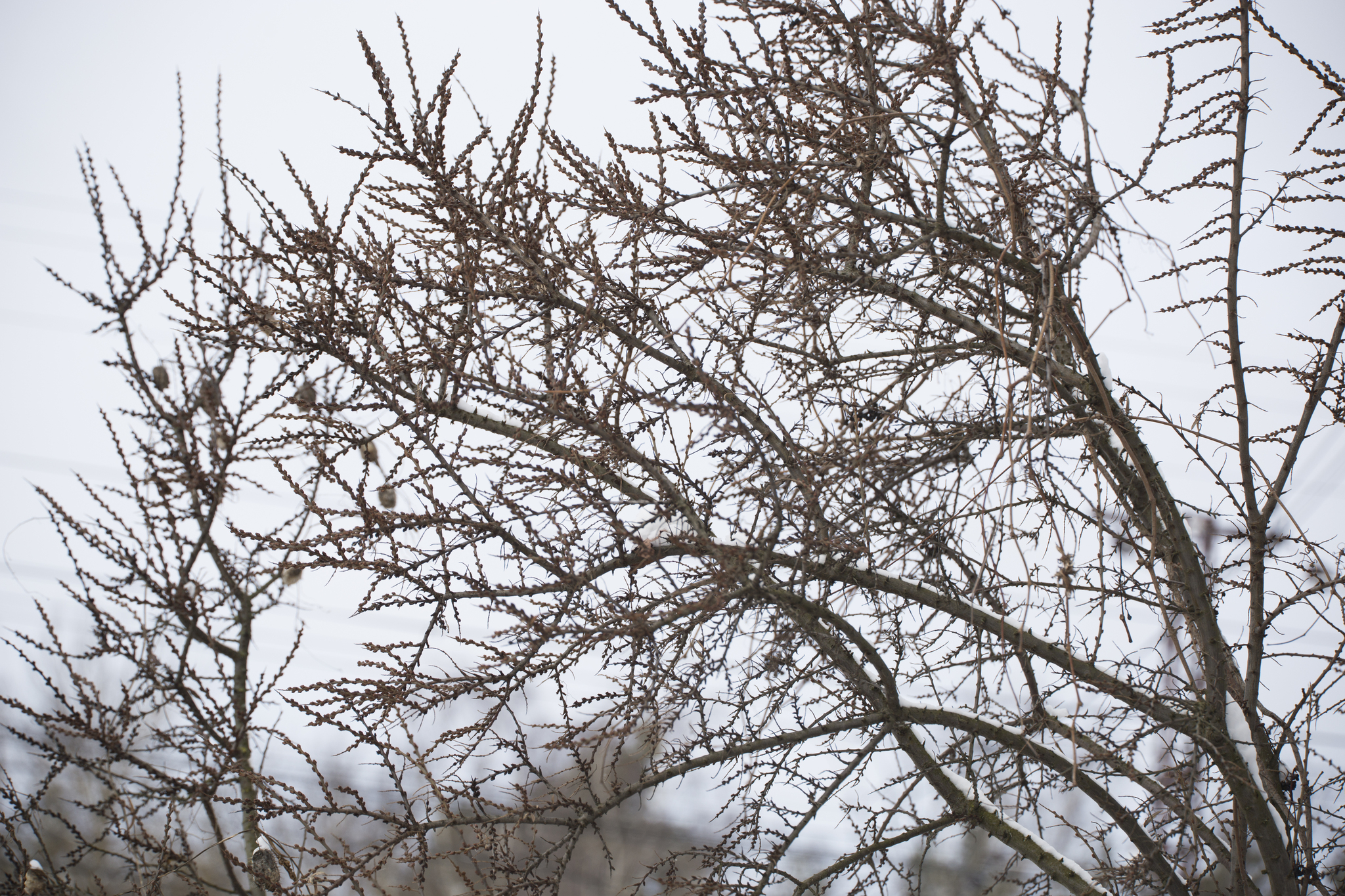
Sea buckthorn is a spiny, deciduous shrub native to the coasts and mountains of Eurasia, known scientifically as Hippophae rhamnoides. You can recognize it by its narrow, silvery-green leaves and the dense clusters of bright orange berries that persist through winter.
Because this species is dioecious, you must plant both male and female shrubs to produce fruit. It thrives in poor, sandy soils where other plants fail, thanks to its ability to fix nitrogen from the air.
Key Facts
- Water: Low; drought-tolerant once established
- Light: Full sun (at least 8 hours)
- Soil: Well-drained sandy or gravelly soil
- Hardiness: Cold hardy to USDA Zone 3
- Berries: High vitamin C, harvested in autumn
Growing Sea Buckthorn in Your Garden
Growing sea buckthorn is a commitment to a plant that is physically demanding but highly productive. It is well-suited for coastal gardens or windbreaks where salt spray and poor soil kill more delicate species.
You should only plant this shrub if you have the space to manage its thorns and suckering habit. It is not a suitable choice for small patios, but rather a functional crop plant for the edges of a property or a wilder garden area.
How to Identify Sea Buckthorn
You can recognize sea buckthorn by its stiff, thorny branches and narrow, bicolored leaves. The foliage is dark green on top and strikingly silver underneath, creating a shimmering effect in the wind.
The most distinctive feature is the dense cluster of berries that hug the stems tightly. These berries are often so numerous that they completely obscure the bark of the fruiting branches.
- Leaves: Linear or lanceolate, 3-8 cm (1.2-3.1 in) long, with a distinct silvery-grey underside.
- Flowers: Tiny and brownish, appearing in early spring before the leaves.
- Fruit: Round or oval berries, 6-9 mm (0.2-0.3 in) wide, turning bright orange or yellow in autumn.
- Bark: Rough and brown on older stems, while young twigs are silvery and scaly.
Mature Height and Spread
A mature sea buckthorn shrub typically reaches 2.4 to 4 meters (8 to 13 feet) in height and spread. Growth is moderate, with young plants adding about 30-50 cm (12-20 in) of height per year under ideal conditions.
In very poor, sandy coastal soils, it may remain a stunted shrub of 1 meter (3.3 feet), while in fertile garden loam, it can occasionally reach 6 meters (20 feet). The canopy is usually irregular and spreading rather than perfectly symmetrical.
The Best Location for Seaberries
Choose a spot with maximum sun exposure, as this plant will not produce fruit or maintain its silver color in the shade. It prefers light, sandy, or gravelly soils and is one of the few shrubs that can tolerate high levels of salt from sea spray or road de-icing.
You can plant it alongside other salt-tolerant species like silverberry (Elaeagnus commutata), beach plum (Prunus maritima), and rugosa rose (Rosa rugosa). These companions share similar soil needs and create a hardy windbreak for more sensitive garden areas.
Planting Male and Female Shrubs
To get a harvest of seaberries, you must plant at least one male for every five to eight female plants. Since the plant is wind-pollinated, place the male shrub upwind of the females to ensure the pollen reaches the flowers.
Space the shrubs 2-3 meters (6.5-10 feet) apart to allow for their spreading habit and to facilitate harvesting. Because they produce vigorous suckers, avoid planting them near delicate garden borders or underground pipes.
- Plant in early spring while the shrubs are still dormant.
- Dig a hole twice as wide as the root ball.
- Ensure the graft union, if present, is at soil level.
Watering and Fertilizing Sea Buckthorn
Once the root system is established, sea buckthorn requires virtually no supplemental watering except during extreme droughts. Because it lives in symbiosis with Frankia bacteria to fix its own nitrogen, you should avoid high-nitrogen fertilizers which can actually suppress this natural process.
Too much water or heavy clay soil can lead to root rot, so ensure the site has excellent drainage. If your soil is extremely poor, a light application of phosphorus and potassium in early spring can support better berry production.
How to Prune Sea Buckthorn
Prune your shrubs in late winter or very early spring before new growth begins. This timing allows you to see the structure of the branches and remove any dead wood caused by winter storms.
Since fruit develops on two-year-old wood, avoid heavy shearing which removes the fruiting surface. Instead, use thinning cuts to remove old, unproductive branches and encourage new shoots from the base.
- Wear thick leather gloves to protect your hands from the 3 cm (1.2 in) spines.
- Remove suckers at the base annually to control the spread of the colony.
- Thin out the center of the shrub to improve air circulation and light penetration.
- Cut back long, leggy branches by one-third to maintain a manageable harvesting height.
Common Pests and Diseases
The most serious disease affecting this species is Verticillium wilt, which causes sudden branch dieback and cannot be cured once it enters the soil. You must also watch for the sea buckthorn fly (Rhagoletis batotropa), which can ruin the berry crop in some regions.
Birds are the primary pest for the fruit, often stripping the bushes of berries during the winter months. While the plant is generally pest-resistant, overcrowding can lead to fungal issues in humid climates.
- Verticillium wilt: Sudden yellowing and wilting of individual branches.
- Sea buckthorn fly: Larvae feed inside the developing berries.
- Suckering: Not a disease, but a growth habit that can overwhelm nearby plants.
Cold Hardiness and Winter Care
This shrub is exceptionally cold-hardy, surviving temperatures as low as -40 °C (-40 °F) without damage. It does not require winter protection in USDA Zones 3 through 7, though young plants should be guarded against grazers.
Deer and rabbits may chew the bark when other food is scarce, so use a wire mesh guard around the base of young trunks. The orange berries often stay on the branches through the winter, providing a food source for local wildlife.
Harvesting Berries and Using the Oil
The berries are ready for harvest in late August to October when they turn a deep orange and soften slightly. Because the skins are thin and the thorns are sharp, many growers cut entire fruiting small branches and freeze them to shake the berries off easily.
The fruit is traditionally used for its high concentration of vitamin C, which can be 15 times higher than that of an orange. The oil extracted from both the seeds and the pulp is a common ingredient in skin care products.
- Juice: Press the raw berries and sweeten the tart liquid for drinks.
- Oil: Seed oil is rich in linoleic acid, while pulp oil contains high levels of Omega-7.
- Skin Care: Traditionally used to soothe minor burns and promote skin elasticity.
- Hair Care: Extracts are often added to shampoos to improve shine and scalp health.
Managing Sea Buckthorn Through the Seasons
| Spring | Prune dead wood and remove suckers. Check for male and female flowers to ensure pollination potential. |
|---|---|
| Summer | Water young plants during dry spells. Monitor for sea buckthorn fly activity in the developing fruit. |
| Autumn | Harvest berries when deep orange. Apply a thin layer of compost around the base to suppress weeds. |
| Winter | Protect young bark from deer and rabbits with wire mesh. Remove any branches broken by heavy snow. |
Common Sea Buckthorn Problems and Solutions
| What you see | Likely cause | What to do |
|---|---|---|
| No berries on mature plants | No male pollinator | Plant at least one male shrub within 15 meters (50 feet) of your female plants. |
| Sudden wilting of a single branch | Verticillium wilt | Prune the affected branch back to healthy wood and destroy the clippings; do not replant in that soil. |
| Shrub spreading into the lawn | Vigorous suckering | Mow over new shoots regularly or install a root barrier 60 cm (24 in) deep around the plant. |
Sea Buckthorn Varieties Worth Knowing
- ‘Leikora’ – female, large berries, heavy cropper
- ‘Pollmix’ – male, excellent pollinator for many females
- ‘Orange Energy’ – female, high vitamin content, upright growth
- ‘Sirola’ – female, fewer thorns, easier to harvest
- ‘Hikul’ – dwarf male, ornamental, non-fruiting
Frequently Asked Questions
What are the benefits of sea buckthorn oil for skin?
Sea buckthorn oil is traditionally used to support skin hydration and elasticity due to its high concentration of Omega-7 fatty acids. It contains antioxidants like vitamin E and carotenoids, which help protect the skin from environmental stressors.
Why is my sea buckthorn not producing fruit?
The most common reason is the absence of a male pollinator. You need at least one male shrub within 15 meters (50 feet) of your female plants for wind-driven pollination to occur.
Is sea buckthorn considered an invasive species?
In its native coastal habitats, it stabilizes dunes, but it can become invasive when introduced to new environments where it outcompetes native grasses. In a garden, it is manageable but requires regular removal of suckers to prevent spreading.
Is sea buckthorn juice safe to drink?
Yes, the juice is safe and highly nutritious, though it is extremely tart and usually requires dilution or sweetening. It is a significant source of vitamins C, E, and K.
Are sea buckthorn supplements effective?
Sea buckthorn supplements are traditionally used as a source of essential fatty acids and vitamins. While they are a concentrated source of nutrients, they should be used as a complement to a balanced diet after consulting a healthcare professional.
Information about traditional or historical uses is provided for educational interest only and is not medical advice. Do not use any plant to treat a condition without speaking to a qualified professional.
Sources & Verification
Taxonomy and distribution are checked against the databases below. Care guidance is written for cultivated species only and reviewed by our editor. How We Build Plant Profiles →