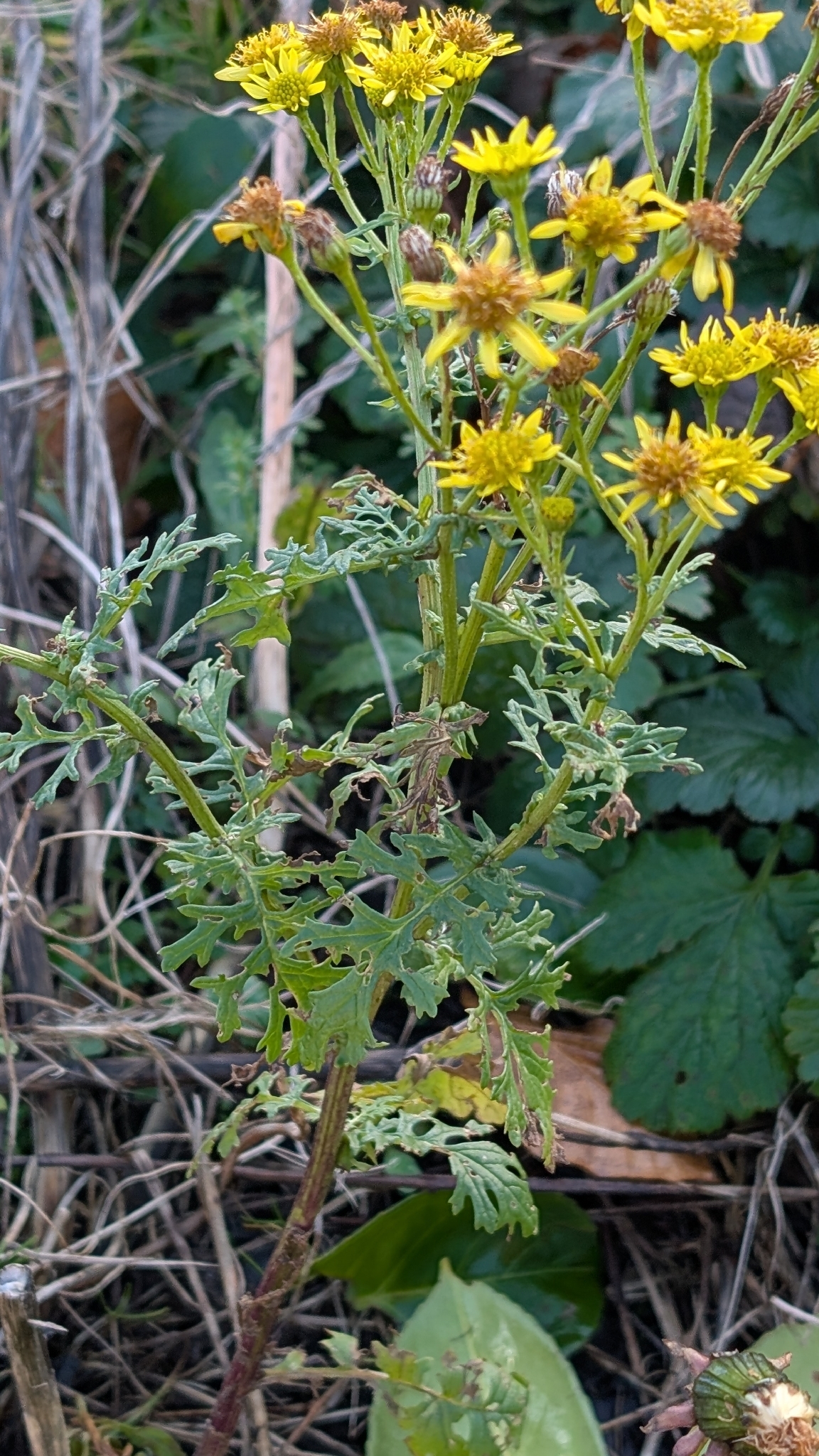
Dusty Miller is a silver-foliaged perennial native to the Mediterranean region, technically classified as Jacobaea maritima but still widely sold under its old name, Senecio cineraria. It is most recognized for the dense, white felt-like hairs that cover its leaves, giving the plant a frosted or woolly appearance.
While it survives year-round in warm coastal climates, most people grow it as a summer annual to provide a neutral contrast against bright flowers. It thrives in poor soil and high heat where other foliage plants often wilt or scorch.
Key Facts
- Light: Full sun for at least 6 hours daily
- Water: Allow the top 5 cm (2 in) of soil to dry
- Height: Typically reaches 15-60 cm (6-24 in)
- Soil: Must be well-drained, preferably sandy or loamy
- Hardiness: Perennial in USDA zones 8-10; annual elsewhere
Where to Plant Dusty Miller
Dusty Miller performs best in bright, open positions with full sun exposure and sharp soil drainage. This plant is a specialist for hot, dry spots like south-facing borders, rock gardens, or the edges of gravel paths where the soil remains lean. If you plant it in deep shade, the silver leaves will turn a dull greenish-grey and the stems will become weak and leggy.
Because it is highly salt-tolerant, it is a reliable choice for coastal gardens in regions like the Mediterranean or the southern United States. In containers, it acts as a filler that provides a visual break between saturated flower colours. Space individual plants 20-30 cm (8-12 in) apart to ensure the air circulation needed to prevent leaf rot.
Identifying Dusty Miller by Its Look
You can identify Jacobaea maritima by its deeply lobed, pinnate leaves covered in a dense layer of silver-white hairs. These hairs are a biological adaptation to reflect sunlight and conserve moisture in arid climates. The leaves typically grow 5-15 cm (2-6 in) long and have a stiff, felt-like texture that feels soft to the touch.
The plant grows in a mounded, shrubby habit, usually reaching a height of 30 cm (12 in) in its first year. In its second year, it produces stiff stems topped with clusters of small, mustard-yellow daisy-like flowers. Many gardeners find these flowers distract from the silver foliage and choose to remove the buds before they open.
Soil and Planting Requirements
Dusty Miller requires loose, well-drained soil with a pH between 6.0 and 7.5. It does not tolerate heavy clay or waterlogged ground, which quickly causes the roots to rot. If your garden has heavy soil, incorporate grit or perlite into the planting hole to improve drainage.
- Dig a hole twice the width of the root ball.
- Set the plant at the same depth it was in its nursery pot.
- Backfill with a mix of native soil and a small amount of compost.
- Water thoroughly once to settle the roots.
How Much Water and Feed Does It Need
You should water Dusty Miller only when the top 5 cm (2 in) of soil feels completely dry. Once established, the plant is remarkably drought-tolerant and can survive long periods without rain. Overwatering is the most common cause of failure, leading to floppy stems and blackened leaf bases.
Feeding is rarely necessary if the soil has some organic matter. If you are growing it in a container, apply a balanced liquid fertilizer at half-strength once every four weeks during the summer. Avoid high-nitrogen fertilizers, as these encourage green, sappy growth at the expense of the characteristic silver woolliness.
Pruning and Flower Management
The best way to maintain a compact shape is to pinch back the growing tips by 2-3 cm (1 in) in early summer. This encourages the plant to branch out rather than growing tall and spindly. If the plant becomes too woody or open in the center, you can shear it back by half in midsummer to stimulate a fresh flush of silver leaves.
Most growers treat the yellow flowers as a secondary feature. Removing the flower stalks (deadheading) as they appear redirects the plant’s energy into leaf production. If you leave the flowers to mature, the plant may lose its tidy shape and begin to look ragged by late August.
Dusty Miller Winter Care Outdoor
In USDA zones 8-10, Dusty Miller will survive the winter as a perennial if kept relatively dry. In colder zones, it is treated as an annual and will die once temperatures drop significantly below freezing. If you live in a borderline climate (Zone 7), you can attempt to overwinter it by applying a thick layer of dry mulch around the base, but avoid covering the foliage itself.
For those in cold regions, you can dig up small plants in autumn and move them into pots. Keep them on a bright windowsill or in a cool greenhouse over winter. Water sparingly during this dormant period, only enough to prevent the soil from turning into dust.
How to Propagate Dusty Miller
The most effective way to propagate is through stem cuttings taken in late summer or early autumn. Softwood cuttings 10 cm (4 in) long will root readily in a mix of peat and perlite. You can also grow it from seeds, though they require specific conditions to germinate successfully.
- Sow seeds indoors 10-12 weeks before the last frost.
- Do not cover the seeds; they need light to germinate.
- Maintain a temperature of 21-24 °C (70-75 °F).
- Cuttings should be kept in a humid environment until roots form (2-3 weeks).
Year-Round Care for Dusty Miller
| Spring | Sow seeds indoors 10 weeks before frost. Transplant hardened-off seedlings outdoors once night temperatures stay above 10 °C (50 °F). |
|---|---|
| Summer | Pinch back tips to maintain a bushy shape. Remove yellow flower buds to focus energy on silver foliage. Water only during extreme droughts. |
| Autumn | Take 10 cm (4 in) stem cuttings to overwinter indoors. In Zone 8-10, clear away fallen debris from the base of the plant to prevent rot. |
| Winter | In cold zones, discard annual plants. In warm zones, reduce watering to a minimum and avoid fertilizing until new growth appears in spring. |
Dusty Miller Problems: Symptoms and Fixes
| What you see | Likely cause | What to do |
|---|---|---|
| Leaves turning green | Insufficient light | Move the plant to a location receiving at least 6 hours of direct sun. |
| Blackened, mushy stems | Root rot from overwatering | Stop watering immediately and ensure the pot or bed has drainage holes. |
| Leggy, spindly growth | Lack of pruning or too much nitrogen | Pinch back the stems and reduce fertilizer application. |
| White powdery spots | Powdery mildew | Increase spacing between plants and avoid wetting the foliage when watering. |
Popular Dusty Miller Cultivars
- ‘Silver Dust’ – fine, lace-like foliage on compact 20 cm (8 in) plants
- ‘Cirrus’ – broader, oak-like leaves with a very white coating
- ‘New Look’ – large, rounded leaves with minimal lobing
- ‘Silver Filigree’ – extremely delicate, thread-like leaf segments
Companion Plants for Silver Foliage
Dusty Miller acts as a neutral buffer between clashing flower colours, making it a staple in mixed borders. Its silver hue pairs exceptionally well with cool blues, purples, and pinks. It also provides a high-contrast backdrop for dark-leaved plants.
Consider these companions for a coordinated garden bed:
- Petunias (Petunia x hybrida) for a classic container mix.
- Mealycup Sage (Salvia farinacea) for vertical blue spikes.
- Lavender (Lavandula angustifolia) for matching drought tolerance.
- Purple Fountain Grass (Pennisetum setaceum ‘Rubrum’) for textural contrast.
- French Marigolds (Tagetes patula) for a bright yellow and silver scheme.
Frequently Asked Questions
Should I let my dusty miller flower?
Most gardeners remove the yellow flowers because they can look messy and take energy away from the silver leaves. However, you can leave them if you enjoy the contrast or want to collect seeds.
Is dusty miller toxic to cats and dogs?
Yes, the plant is toxic to pets if ingested because it contains pyrrolizidine alkaloids. It can cause liver failure in cats, dogs, and horses, so keep it out of reach of curious chewers.
Can dusty miller grow indoors?
It can grow indoors if placed in a very bright, south-facing window, but it often becomes leggy. It is much better suited to outdoor life where it can get the intense UV light required to maintain its silver colour.
Does dusty miller come back every year?
It is a perennial in USDA zones 8 through 10, meaning it will return. In colder regions, it is treated as an annual because it cannot survive freezing winter temperatures.
Why is my dusty miller dying in a pot?
The most likely cause is overwatering or a lack of drainage holes. Ensure the container uses a fast-draining potting mix and that you only water when the soil is dry to the touch.
Sources & Verification
Taxonomy and distribution are checked against the databases below. Care guidance is written for cultivated species only and reviewed by our editor. How We Build Plant Profiles →