
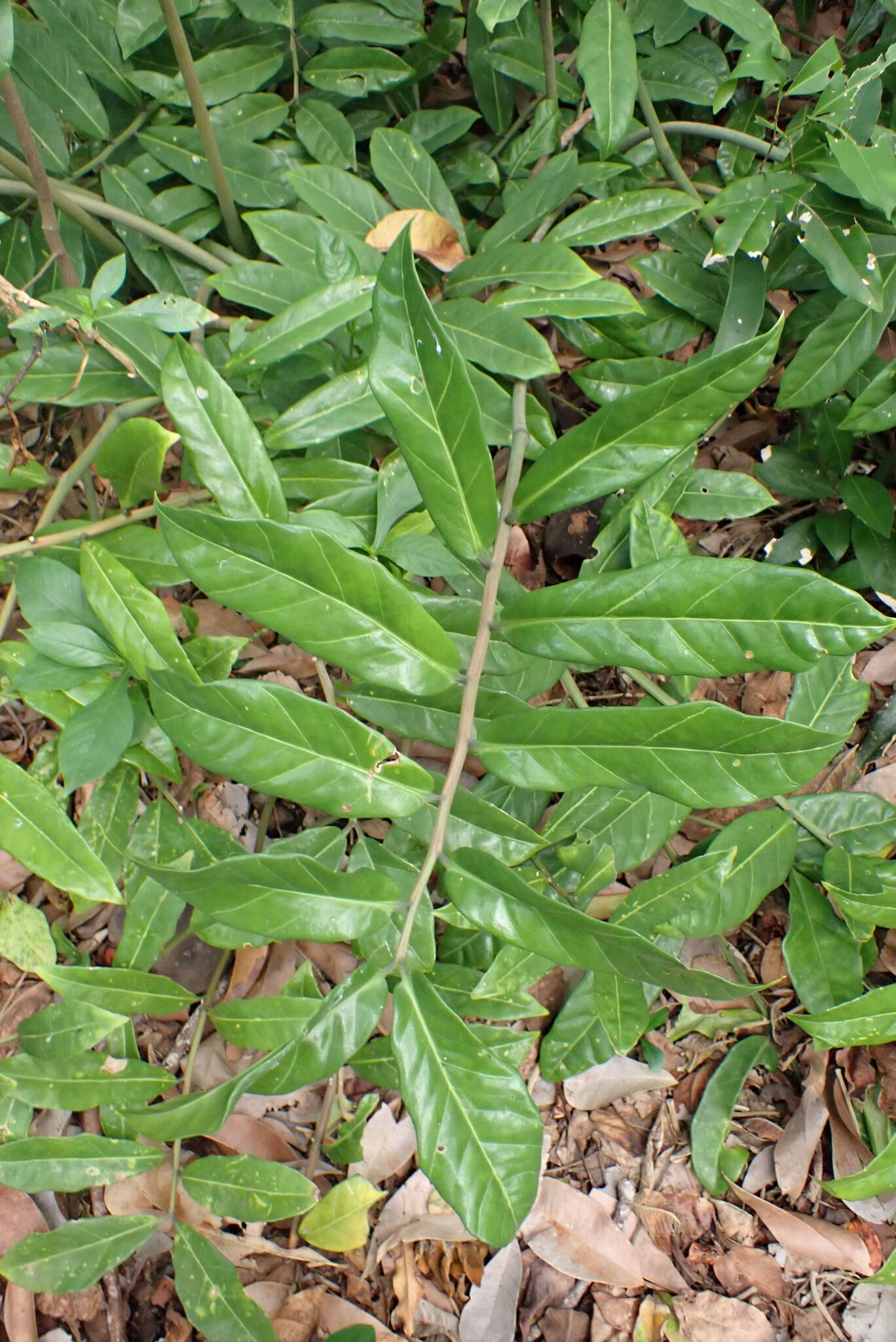
Zamioculcas zamiifolia, commonly known as the ZZ plant, is a tropical herbaceous perennial native to dry grasslands and forests in eastern Africa. It relies on thick, subterranean rhizomes that store water, supporting upright stems lined with smooth, highly reflective leaflets.
This species tolerates low light and weeks of drought, making it suitable for dark office spaces or homes with minimal sunlight. Excessive watering will quickly rot its fleshy underground tubers.
Key Facts
- Water: Every 2–4 weeks after soil dries completely
- Light: Low light to bright indirect sunlight
- Toxicity: Toxic to cats, dogs, and humans if chewed
- Growth Rate: Slow, rising 15–30 cm (6–12 in) annually
- Temperature: 15–26 °C (60–80 °F)
Is ZZ Plant Suitable for Your Home?
The ZZ plant thrives in indoor environments because it tolerates prolonged neglect, dry indoor air, and low light levels. It suits owners who travel frequently or lack south-facing windows.
Its minimal demands stem from its East African origins, where it adapted to survive seasonal droughts. Keep the plant away from drafty windows during cold winter months, as temperatures below 8 °C (46 °F) will damage its leaves.
How to Identify a ZZ Plant
A healthy ZZ plant produces pinnately compound leaves reaching 40–60 cm (16–24 in) in length with 6–8 pairs of individual leaflets. Leaflets are oval, thick, and covered in a natural waxy layer that gives them a mirror-like sheen.
Underneath the potting substrate, the plant grows bulbous, potato-like rhizomes. These swollen structures store moisture to survive extended dry periods. Mature specimens form tight clumps of upright stems that reach up to 1.2 m (4 ft) tall indoors.
ZZ Plant Light Requirements
ZZ plants grow best in bright, indirect light, but they remain healthy in medium to low light conditions. Keep them out of harsh, direct sun rays.
Exposure to direct mid-day sunlight will scorch the wax layer and create brown, crisp patches on the leaves. When placed in low-light rooms, stem growth slows significantly, and leaf color darkens slightly.
- Best placement: 1–2 m (3–6 ft) away from an east or west window
- Low-light tolerance: Functions well in interior offices under fluorescent bulbs
- Direct sun limit: Maximum 1 hour of morning sun per day
ZZ Plant Care: Watering Schedule
Water your ZZ plant only when the potting substrate has dried out 100% from top to bottom. Frequency ranges from every 2 weeks in warm summers to every 4–6 weeks in cold winters.
The fleshy rhizomes hold water reserves, meaning underwatering causes far less harm than overwatering. Always pour out standing water from the saucer within 20 minutes of watering to keep the root system healthy.
- Spring/Summer: Water every 14–21 days
- Autumn/Winter: Water every 30–45 days
- Testing method: Insert a dry wooden skewer down to the bottom of the pot; if damp soil sticks, delay watering
Best ZZ Plant Soil and Repotting Needs
ZZ plants require a gritty, well-draining soil mix with a pH between 6.0 and 7.0 to prevent moisture from pooling around the rhizomes. Standard potting soil must be amended with extra drainage materials.
Repot every 2–3 years during spring. You will know it is time to repot when the swelling subterranean rhizomes begin deforming or cracking plastic nursery pots.
- Ideal soil mix: 2 parts standard houseplant soil, 1 part perlite, 1 part pumice or coarse sand
- Pot selection: Terracotta pots with drainage holes encourage faster soil drying
- Pot size rule: Choose a container only 3–5 cm (1–2 in) wider than the root mass
Temperature and Humidity for ZZ Plants
ZZ plants grow best at temperatures between 15 °C and 26 °C (60–80 °F) and normal indoor humidity levels of 30–50%. They adapt well to warm, tropical climates like Bangladesh or Florida, provided they stay out of waterlogged soil.
They do not require humidity trays, misters, or humidifiers. Keep them shielded from air conditioners, exterior doors, and direct heating blasts, which cause leaflet stress and drop.
ZZ Plant Fertilizer Schedule
Feed ZZ plants twice a year, once in early spring and once in mid-summer, using a balanced liquid houseplant fertilizer diluted to half strength. Do not feed during autumn or winter when growth halts.
Because the species grows slowly, excessive nutrients accumulate in the soil as mineral salts. Flush the pot with clear water once a year to prevent root tip burn caused by fertilizer buildup.
ZZ Plant Propagation Methods
Propagate ZZ plants by rhizome division or leaf cuttings taken in spring. Division produces a mature plant instantly, while leaf propagation requires up to 12 months to form rhizomes.
To divide, remove the plant from its pot and separate individual stems with attached rhizome clusters using a sanitized knife. To propagate by leaf, follow these steps:
- Step 1: Cut healthy individual leaflets clean off the stem at the petiole base.
- Step 2: Allow the cut stem ends to dry for 2 hours until calloused.
- Step 3: Insert the lower third of each leaf upright into damp sand or perlite.
- Step 4: Place under indirect light and keep soil lightly moist until tubers form in 3–6 months.
Why Are My ZZ Plant Leaves Yellow?
Yellowing leaves on a ZZ plant almost always indicate root rot caused by overwatering. When soil remains soggy, oxygen cannot reach the rhizomes, causing them to decay and drop lower leaflets.
If only a single bottom leaf turns yellow once every few months while new shoots emerge, it is part of natural leaf turnover. If multiple stems turn yellow simultaneously, inspect the underground rhizomes immediately.
- Soggy soil + soft stems: Root rot from excess watering; stop watering and replace wet soil.
- Crispy, dry leaf edges: Excessive heat, scorched sun, or extreme underwatering.
- Pale green foliage: Nutrient exhaustion or prolonged placement in extreme dark.
Is ZZ Plant Toxic to Cats and Dogs?
The ZZ plant is toxic to cats, dogs, and humans because all plant parts contain insoluble calcium oxalate crystals. Chewing on stems or leaves causes immediate oral discomfort.
If ingested, microscopic sharp crystals penetrate the mucosal membranes of the mouth, tongue, and throat. Keep pots on elevated plant stands or high shelves away from curious pets and children.
- Symptoms in pets: Excessive drooling, pawing at the mouth, vomiting, and oral swelling
- First aid: Wipe out the animal’s mouth, offer fresh water, and contact a veterinarian
- Skin contact: Sap can cause mild skin irritation; wash hands with soap after handling cuttings
Do ZZ Plants Flower Indoors?
ZZ plants can bloom during late summer to early autumn, producing a small spadix flower enclosed by a greenish-brown spathe near the stem bases. Flowering is rare in home settings.
The bloom resembles a small, subtle corn cob and remains tucked low against the pot line. It carries no noticeable scent and does not drain significant energy from the plant foliage.
ZZ Plant Care Through the Seasons
| Spring | Inspect roots to determine repotting needs. Apply half-strength balanced liquid fertilizer once growth resumes. |
|---|---|
| Summer | Check soil moisture every 10–14 days. Ensure the plant is protected from intense direct sun near windows. |
| Autumn | Reduce watering frequency to once every 3–4 weeks as day length shortens. Discontinue all fertilizer applications. |
| Winter | Water sparingly every 4–6 weeks only when soil is completely dry. Keep away from cold drafts below 10 °C (50 °F). |
Why Is My ZZ Plant Dying? Quick Diagnosis
| What you see | Likely cause | What to do |
|---|---|---|
| Yellow leaves and soft, mushy stems | Root rot caused by excessive watering | Remove the plant, trim away brown rotten rhizomes, and repot into fresh dry soil. |
| Wrinkled, shriveled leaflets | Severe underwatering | Soak the soil thoroughly and let excess water drain completely out the pot bottom. |
| Stems leaning or growing weak and leggy | Insufficient light source | Move the plant closer to an indirect light window or install a grow light. |
| Brown spots or scorched papery leaf tips | Direct scorching sunlight | Move the pot out of direct sunlight rays into indirect light. |
Popular ZZ Plant Cultivars
- ‘Raven’ – deep purple to nearly black mature foliage
- ‘Zenzi’ – dwarf cultivar with dense, curled leaflets
- ‘Variegata’ – dark green leaves marbled with white and yellow
- ‘Zamicro’ – compact miniature form under 30 cm (12 in) tall
Frequently Asked Questions
How fast do ZZ plants grow?
ZZ plants are slow growers, adding 15–30 cm (6–12 in) of height per year under good light. In low-light rooms, they may produce only one or two new stems annually.
Can ZZ plants grow outdoors?
Yes, ZZ plants grow outdoors year-round in USDA Zones 9 through 11 in shaded, well-draining garden beds. In colder climates, bring them indoors before night temperatures drop below 10 °C (50 °F).
Is the ZZ plant toxic to cats?
Yes, the ZZ plant is toxic to cats because it contains calcium oxalate crystals. Chewing on any part of the plant causes mouth irritation, drooling, and vomiting.
How do I clean ZZ plant leaves?
Wipe the leaflets with a damp cloth every few months to remove accumulated dust. Avoid commercial leaf-shine products, which clog leaf pores.
Why is my ZZ plant not growing?
ZZ plants enter dormancy in winter or slow down in low light conditions. Increase bright, indirect sunlight exposure and ensure room temperatures stay above 18 °C (65 °F) to stimulate growth.
Sources & Verification
Taxonomy and distribution are checked against the databases below. Care guidance is written for cultivated species only and reviewed by our editor. How We Build Plant Profiles →