Guide to Asphodelaceae Family Plants
24 plant profiles · Explore the Asphodelaceae plant family, from desert Aloes and Haworthias to cold-tolerant daylilies and torch lilies. Learn key traits and growing tips.
The Asphodelaceae family includes roughly 40 genera and over 900 species of monocot plants ranging from thick-leaved arid succulents to hardy herbaceous perennials. Native across Africa, the Mediterranean basin, and Asia, these plants share parallel leaf venation, 6-tepaled flowers arranged in upright spikes or racemes, and specialized root structures designed to store water and nutrients.
Choosing the right species depends on your regional climate and growing setup. Indoor growers often select slow-growing indoor succulents such as Zebra Haworthia (Haworthiopsis attenuata) or Ox Tongue (Gasteria obliqua), which thrive in bright indirect sunlight and well-draining mineral soil. Outdoors in dry, frost-free climates, tree-like succulents like Quiver Tree (Aloidendron dichotomum) and gel-producing species like Aloe vera (Aloe vera) handle heat down to 5 °C (41 °F) without damage.
If you experience freezing winter temperatures, temperate members offer reliable cold hardiness. Herbaceous perennials such as Orange Daylily (Hemerocallis fulva), Red Hot Poker (Kniphofia uvaria), and King's-Spear (Asphodeline lutea) die back to underground fleshy roots or rhizomes each autumn and withstand winter cold as low as -29 °C (-20 °F). Ensure succulent species receive low moisture during winter dormancy, while herbaceous types require consistent seasonal rainfall during spring growth.

Aloe vera
☀️ Full Sun 💧 Low
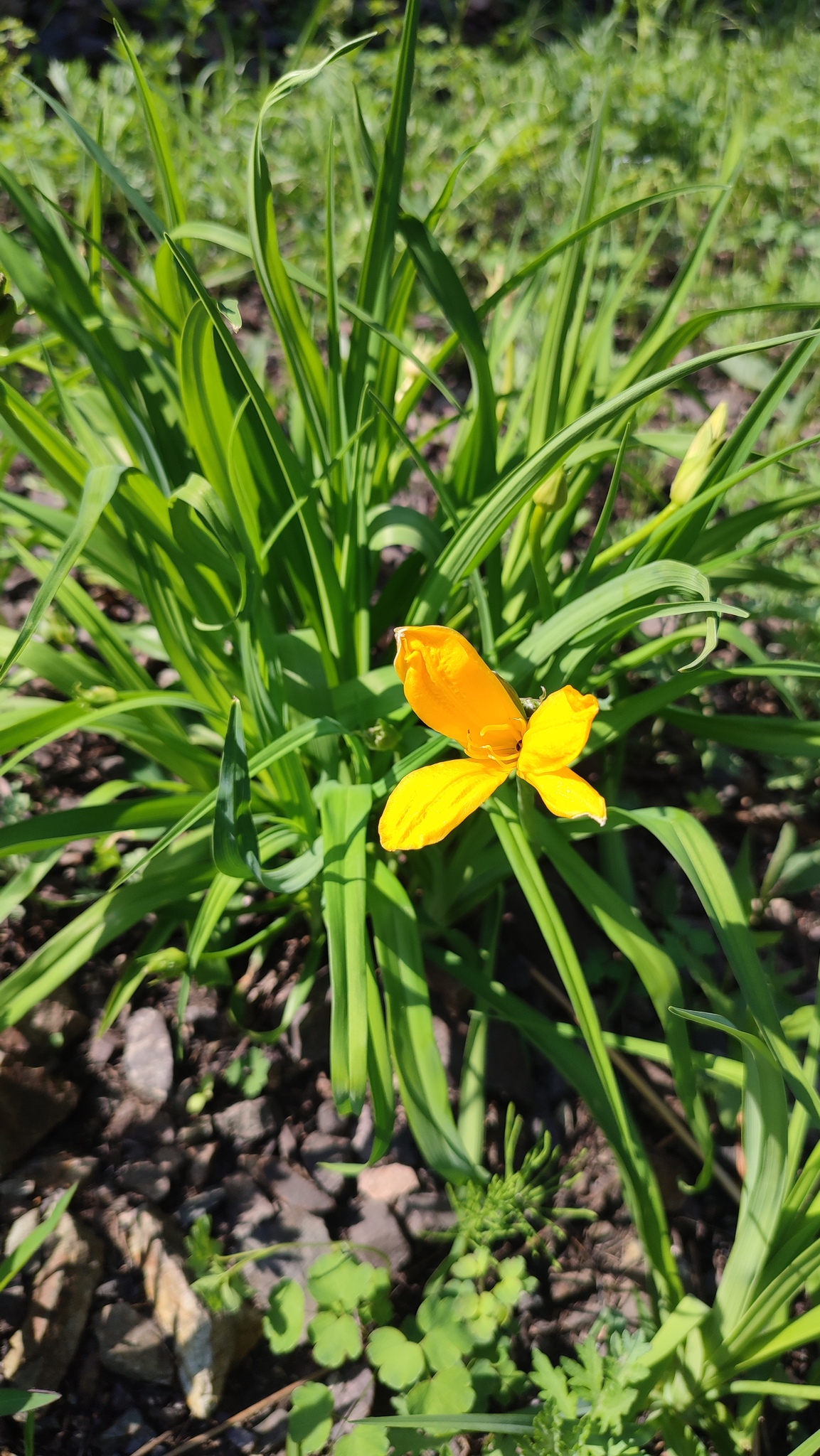
Amur Daylily
Hemerocallis middendorffii
☀️ Full Sun 💧 Moderate

Austral Grass Tree
Xanthorrhoea australis
☀️ Full Sun 💧 Low
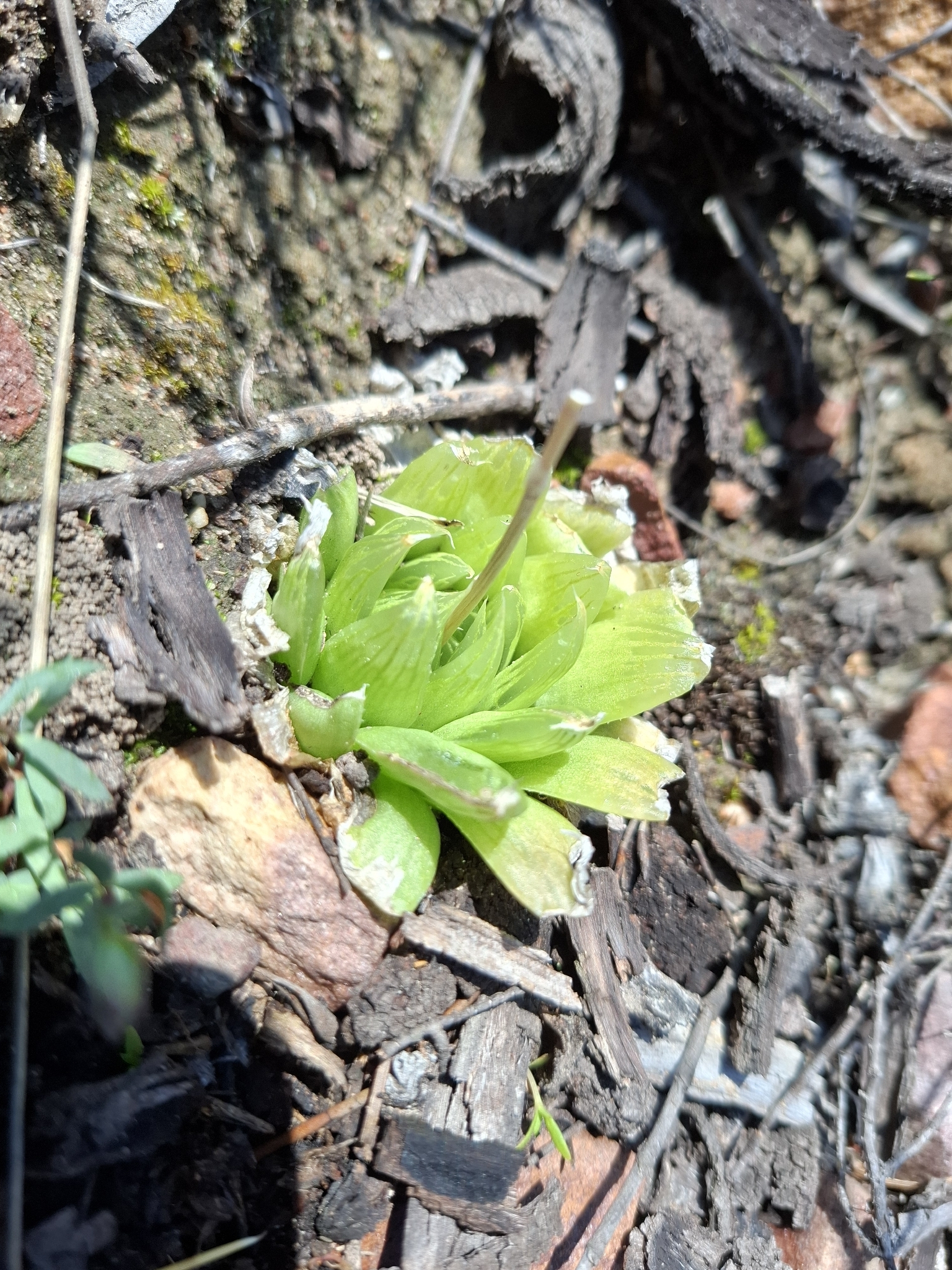
Bristle Haworthia
Haworthia cooperi
☀️ Bright Indirect 💧 Low

Candelabra Aloe
Aloe arborescens
☀️ Full Sun 💧 Low

Cape Aloe
Aloe ferox
☀️ Full Sun 💧 Low

Citron Daylily
Hemerocallis citrina
☀️ Full Sun 💧 Moderate

Fasciated Haworthia
Haworthiopsis fasciata
☀️ Bright Indirect 💧 Low

Fynbos Aloe
Aloe succotrina
☀️ Full Sun 💧 Moderate

Herero Aloe
Aloe hereroensis
☀️ Full Sun 💧 Low

King’s-Spear
Asphodeline lutea
☀️ Full Sun 💧 Low

Lemon Daylily
Hemerocallis lilioasphodelus
☀️ Full Sun 💧 Moderate

Magaliesberg Aloe
Aloe peglerae
☀️ Full Sun 💧 Low

Mountain Aloe
Aloe marlothii
☀️ Full Sun 💧 Low
New Zealand Flax
Phormium tenax
☀️ Full Sun 💧 Moderate

Orange Daylily
Hemerocallis fulva
☀️ Full Sun 💧 Moderate

Ox Tongue
Gasteria obliqua
☀️ Bright Indirect 💧 Low

Prickly Aloe
Aloe aculeata
☀️ Full Sun 💧 Low

Quiver Tree
Aloidendron dichotomum
☀️ Full Sun 💧 Low

Red Hot Poker
Kniphofia uvaria
☀️ Full Sun 💧 Low

Small Daylily
Hemerocallis minor
☀️ Full Sun 💧 Moderate

Soap Aloe
Aloe maculata
☀️ Full Sun 💧 Low

Windhoek Aloe
Aloe littoralis
☀️ Full Sun 💧 Low

Zebra Haworthia
Haworthiopsis attenuata
☀️ Bright Indirect 💧 Low
Common Questions
What plants belong to the Asphodelaceae family?
The Asphodelaceae family includes genera such as Aloe, Haworthiopsis, Gasteria, Hemerocallis, Kniphofia, Asphodelus, and Xanthorrhoea.
Are Asphodelaceae plants toxic to pets?
Many succulent members, including species of Aloe, contain saponins and anthraquinones that cause vomiting and diarrhea in pets, whereas Hemerocallis species cause acute renal failure in cats.
How do you care for Asphodelaceae succulents?
Water Asphodelaceae succulents deeply only when the top 5 cm (2 in) of soil dries completely, and use a potting mix with 50% coarse mineral grit.
Do all Asphodelaceae plants need full sun?
Most outdoor members require at least 6 hours of direct sunlight daily, though shade-tolerant genera like Haworthiopsis and Gasteria perform best in indirect light.