Plants Native to Central Africa
27 plant profiles · Explore native Central African plants, from tropical trees to popular houseplants. Learn growing requirements, hardiness zones, and ideal cultivars.
Central Africa spans tropical rainforests, savannah grasslands, and humid river basins across the Congo Basin and surrounding regions. Plants indigenous to this area thrive in consistent warm temperatures above 15 °C (59 °F) and require high humidity combined with nutrient-rich, well-draining soil. Because native soils range from acidic forest litter to moist floodplain silt, replicating these conditions is key to successfully growing Central African species outdoors in USDA hardiness zones 10 through 12 or indoors as house plants.
When choosing species from Central Africa, consider available space and light conditions. Giant canopy trees like kapok (Ceiba pentandra) and bright flowering ornamentals such as the African tulip tree (Spathodea campanulata) demand full sunlight and deep outdoor rooting space. In contrast, understory plants like lucky bamboo (Dracaena sanderiana) and Egyptian starcluster (Pentas lanceolata) adapt well to partial shade, indoor containers, and controlled indoor temperatures between 18–24 °C (65–75 °F).
Agricultural and culinary crops from this region offer distinct cultivation requirements. Economic plants such as robusta coffee (Coffea canephora) and roselle (Hibiscus sabdariffa) require intense solar exposure and routine moisture during their active growing period. Matching your local light levels, humidity, and minimum winter temperatures to each plant's natural microclimate ensures healthy foliage and productive flowering.
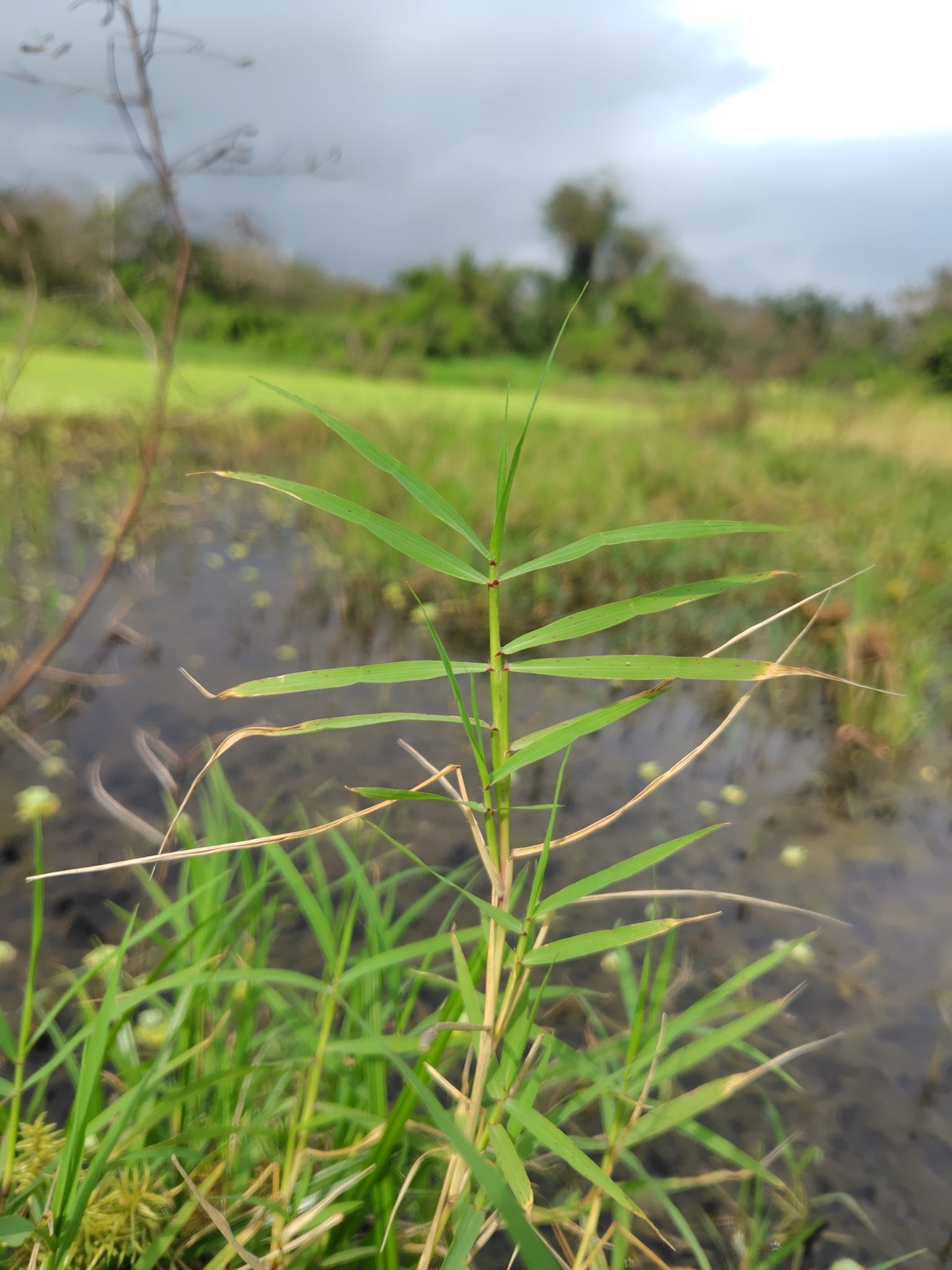
African Bermuda Grass
Cynodon nlemfuensis
☀️ Full Sun 💧 Moderate
African Lettuce
Launaea taraxacifolia
☀️ Full Sun 💧 Moderate
African Milk Tree
Euphorbia trigona
☀️ Full Sun 💧 Low

African Nutmeg
Monodora myristica

African Padauk
Pterocarpus soyauxii
☀️ Full Sun 💧 High
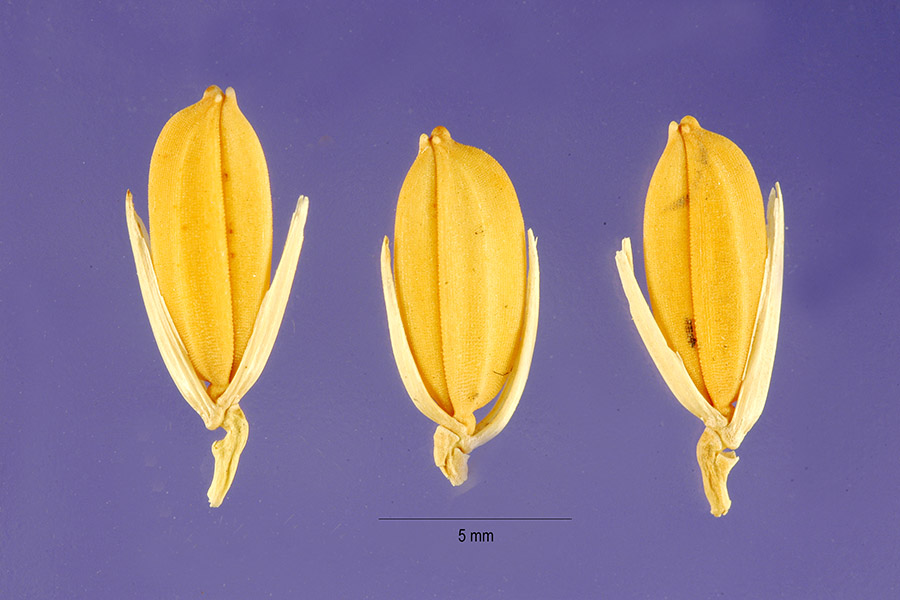
African Rice
Oryza glaberrima
☀️ Full Sun 💧 High

African Tulip Tree
Spathodea campanulata
☀️ Full Sun 💧 Moderate

Apple of Sodom
Solanum campylacanthum
☀️ Full Sun 💧 Low

Benin Pepper
Piper guineense
☀️ Partial Shade 💧 Moderate

Cheese Wood
Alstonia boonei

Climbing Oleander
Strophanthus gratus
☀️ Partial Sun 💧 Moderate

Cnestis ferruginea
☀️ Partial Shade 💧 Moderate

Cowpea
Vigna unguiculata
☀️ Full Sun 💧 Low

Eru
Gnetum africanum
☀️ Partial Shade 💧 High

Ethiopian Pepper
Xylopia aethiopica
☀️ Partial Sun 💧 High

False Roselle
Hibiscus acetosella
☀️ Full Sun 💧 Moderate

Gboma Eggplant
Solanum macrocarpon
☀️ Full Sun 💧 High

Kapok
Ceiba pentandra
☀️ Full Sun 💧 Moderate
Kola
Cola acuminata
☀️ Partial Sun 💧 High

Lagos Rubber Tree
Funtumia elastica

Liberica Coffee
Coffea liberica
☀️ Full Sun 💧 Moderate

Lucky Bamboo
Dracaena sanderiana
☀️ Bright Indirect 💧 Moderate

Oil Palm
Elaeis guineensis
☀️ Full Sun 💧 High

Papyrus
Cyperus papyrus
☀️ Full Sun 💧 Aquatic
Common Questions
What climate do Central African plants need?
Central African plants require temperatures above 15 °C (59 °F) and atmospheric humidity levels between 50% and 80%. Most species suffer cold damage when exposed to temperatures below 10 °C (50 °F) and need bright, indirect sunlight or full sun depending on whether they originated in the canopy or forest floor.
Can Central African plants grow indoors?
Understory species from Central Africa thrive indoors when provided with medium to bright indirect light and consistent ambient moisture. Plants like lucky bamboo and Egyptian starcluster perform well in pots, whereas large canopy trees like kapok are suited only for outdoors in tropical climates.
How often should Central African plants be watered?
Water Central African plants when the top 2.5–5 cm (1–2 inches) of soil feels dry to the touch. Keep soil consistently damp during active growth in spring and summer, but reduce watering frequency during winter to prevent root rot.
Are Central African plants sensitive to frost?
Central African plants are highly sensitive to frost and cannot survive freezing conditions. Outside of USDA hardiness zones 10 to 12, grow these plants in containers that can be moved indoors before night temperatures drop below 12 °C (54 °F).