Plants Native to Central Europe
42 plant profiles · Explore 27 plant species native to Central Europe, from alpine perennials like monkshood to lowland evergreen pines, tailored for temperate gardens.
Central European native plants evolved across varied temperate landscapes, spanning alpine mountain ranges like the Alps and Carpathians, lowland river basins, and dense coniferous forests. These species withstand cold winters down to -20 °C (-4 °F) and dry, warm summers. Plant choices range from low-growing ground covers to alpine perennials and large timber trees, making them suitable for USDA hardiness zones 3 through 8.
When selecting plants from this region, evaluate your site's soil pH, drainage, and light exposure. For rocky slopes and gravel beds, choose drought-tolerant ground covers such as creeping thyme (Thymus serpyllum) or Jenny’s stonecrop (Petrosedum rupestre). Damp meadows and stream margins suit moisture-loving species like Siberian iris (Iris sibirica) and poet’s daffodil (Narcissus poeticus), which require wet spring soil but tolerate summer dry spells.
For structural height and timber elements, European larch (Larix decidua) provides deciduous needles that turn yellow in autumn, while Austrian pine (Pinus nigra) offers dense, evergreen windbreaks. Shaded woodland beds benefit from shade-tolerant ground cover such as lesser periwinkle (Vinca minor), though highly toxic species like monkshood (Aconitum napellus) require cautious handling around children and pets.
Arolla Pine
Pinus cembra
☀️ Full Sun 💧 Moderate

Austrian Pine
Pinus nigra
☀️ Full Sun 💧 Low
Birthwort
Aristolochia clematitis

Black Salsify
Pseudopodospermum hispanicum
☀️ Full Sun 💧 Moderate

Carpathian Harebell
Campanula carpatica
☀️ Full Sun 💧 Moderate

Chamois Cress
Hornungia alpina
☀️ Full Sun 💧 Low

Christmas Rose
Helleborus niger
☀️ Partial Shade 💧 Moderate

Common Laburnum
Laburnum anagyroides
☀️ Full Sun 💧 Moderate
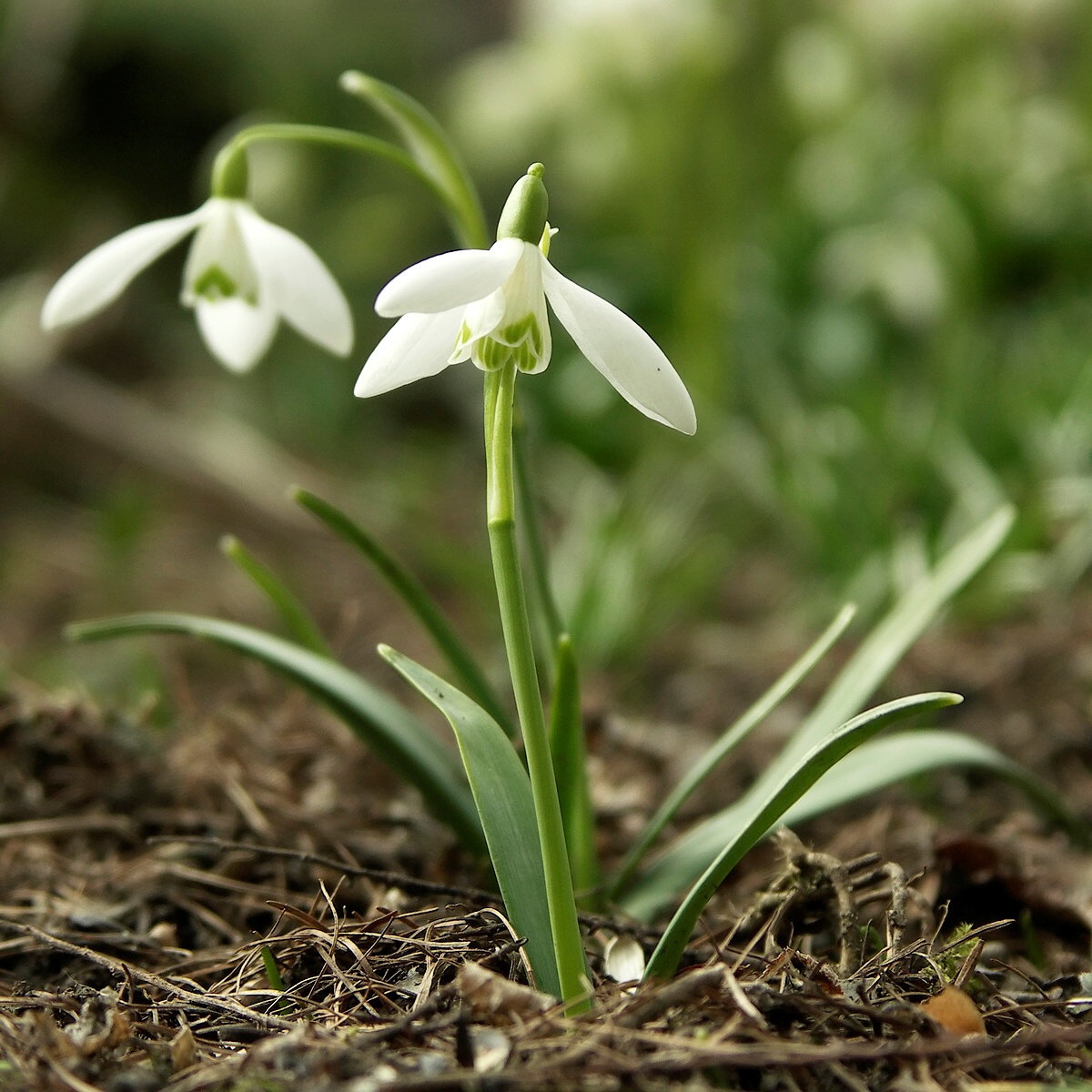
Common Snowdrop
Galanthus nivalis
☀️ Partial Shade 💧 Moderate

Cowbane
Cicuta virosa
☀️ Full Sun 💧 Aquatic

Creeping Thyme
Thymus serpyllum
☀️ Full Sun 💧 Low

Dame’s Rocket
Hesperis matronalis
☀️ Partial Sun 💧 Moderate
Danewort
Sambucus ebulus
☀️ Full Sun 💧 Moderate

Dusky Crane’s-Bill
Geranium phaeum
☀️ Partial Shade 💧 Moderate

European Larch
Larix decidua
☀️ Full Sun 💧 Moderate

Field Rose
Rosa arvensis
☀️ Partial Shade 💧 Moderate

French Sorrel
Rumex scutatus
☀️ Full Sun 💧 Moderate

Gallic Rose
Rosa gallica
☀️ Full Sun 💧 Moderate

Golden Marguerite
Cota tinctoria
☀️ Full Sun 💧 Low
Good King Henry
Blitum bonus-henricus
☀️ Full Sun 💧 Moderate
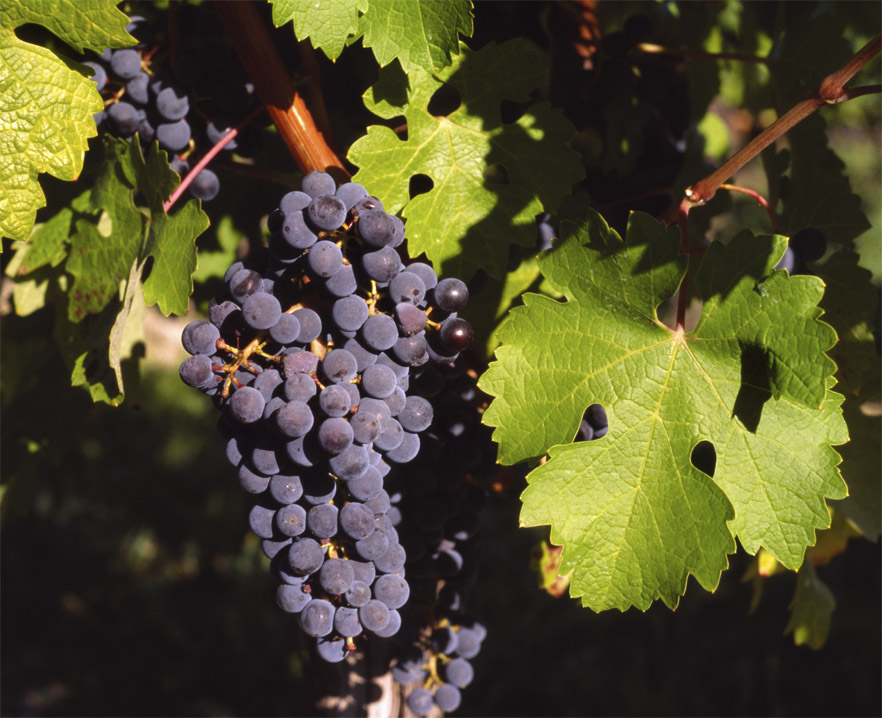
Grape
Vitis vinifera
☀️ Full Sun 💧 Moderate

Hens-And-Chickens House-Leek
Sempervivum globiferum
☀️ Full Sun 💧 Low

Jenny’s Stonecrop
Petrosedum rupestre
☀️ Full Sun 💧 Low

Leafless Iris
Iris aphylla
☀️ Full Sun 💧 Low
Common Questions
What climate conditions do Central European native plants require?
Central European native plants require a temperate climate with distinct seasons, enduring winter cold down to -20 °C (-4 °F) and mild to warm summer temperatures. Most species thrive in USDA hardiness zones 4 to 7 where winter chilling triggers seed dormancy and spring flowering.
Which Central European plants grow best in full sun and dry soil?
Creeping thyme, Jenny’s stonecrop, and Austrian pine thrive in full sun and dry, well-draining soil. These species feature physiological adaptations like thick cuticles, needle-like foliage, or fleshy water-storing leaves that resist summer droughts.
Are Central European native plants safe for gardens with pets?
Toxicity varies significantly among Central European plants, with highly toxic species like monkshood requiring complete isolation from pets and children. Always inspect individual species profiles, as plants like lesser periwinkle contain toxic alkaloid compounds, whereas creeping thyme is non-toxic.
How do alpine species from Central Europe differ from lowland species?
Alpine species from Central Europe stay lower than 30 cm (12 in) tall to avoid wind damage and heavy snow loads, whereas lowland species form tall thickets or canopy trees. Alpine plants like Carpathian harebell (Campanula carpatica) also demand rapid soil drainage to prevent root rot during spring snowmelt.