Plants Native to the Indian Subcontinent
49 plant profiles · Discover 46 plants native to the Indian Subcontinent, from tropical trees like the Banyan to culinary herbs like Lemon Basil and Drumstick Tree.
Flora native to the Indian Subcontinent span tropical monsoonal forests, arid scrublands, and alpine foothills, requiring warm temperatures above 15 °C (59 °F) and distinct seasonal moisture patterns. Trees like the banyan (Ficus benghalensis) and the siris tree (Albizia lebbeck) have adapted to survive long dry seasons followed by heavy summer monsoon rains. Perennials and herbs from this region thrive in hot, humid conditions, providing dense foliage and rapid seasonal growth.
When selecting plants from this region, base your choice on cold hardiness and available space. Fast-growing food crops like the drumstick tree (Moringa oleifera) and culinary annuals such as lemon basil (Ocimum americanum) need direct sunlight and warm soil to produce harvestable leaves and pods. Flowering ornamentals like the firecracker flower (Crossandra infundibuliformis) require high humidity and indirect light, making them suitable indoor potted specimens in temperate zones.
Soil requirements for these species generally lean toward well-draining, neutral to slightly alkaline loams with a target pH of 6.0 to 7.5. Drought-tolerant climbers like shatavari (Asparagus racemosus) and medicinal shrubs such as malabar nut (Justicia adhatoda) store moisture in tuberous roots or thick stems, making them prone to root rot if overwatered during winter dormancy. Protect tender species whenever ambient temperatures drop below 10 °C (50 °F).

Bael
Aegle marmelos
☀️ Full Sun 💧 Low

Bahera
Terminalia bellirica
☀️ Full Sun 💧 Moderate

Banana
Musa acuminata
☀️ Full Sun 💧 High

Bengal Clock Vine
Thunbergia grandiflora
☀️ Full Sun 💧 Moderate

Black Cutch
Senegalia catechu
☀️ Full Sun 💧 Low

Butterfly Pea
Clitoria ternatea
☀️ Full Sun 💧 Moderate

Champak
Magnolia champaca
☀️ Full Sun 💧 Moderate

Common Bamboo
Bambusa vulgaris
☀️ Full Sun 💧 Moderate

Crown Flower
Calotropis gigantea
☀️ Full Sun 💧 Low

Drumstick Tree
Moringa oleifera
☀️ Full Sun 💧 Low

Elephant Creeper
Argyreia nervosa
☀️ Full Sun 💧 Moderate

Firecracker Flower
Crossandra infundibuliformis
☀️ Bright Indirect 💧 Moderate

Flowering Banana
Musa ornata
☀️ Full Sun 💧 High
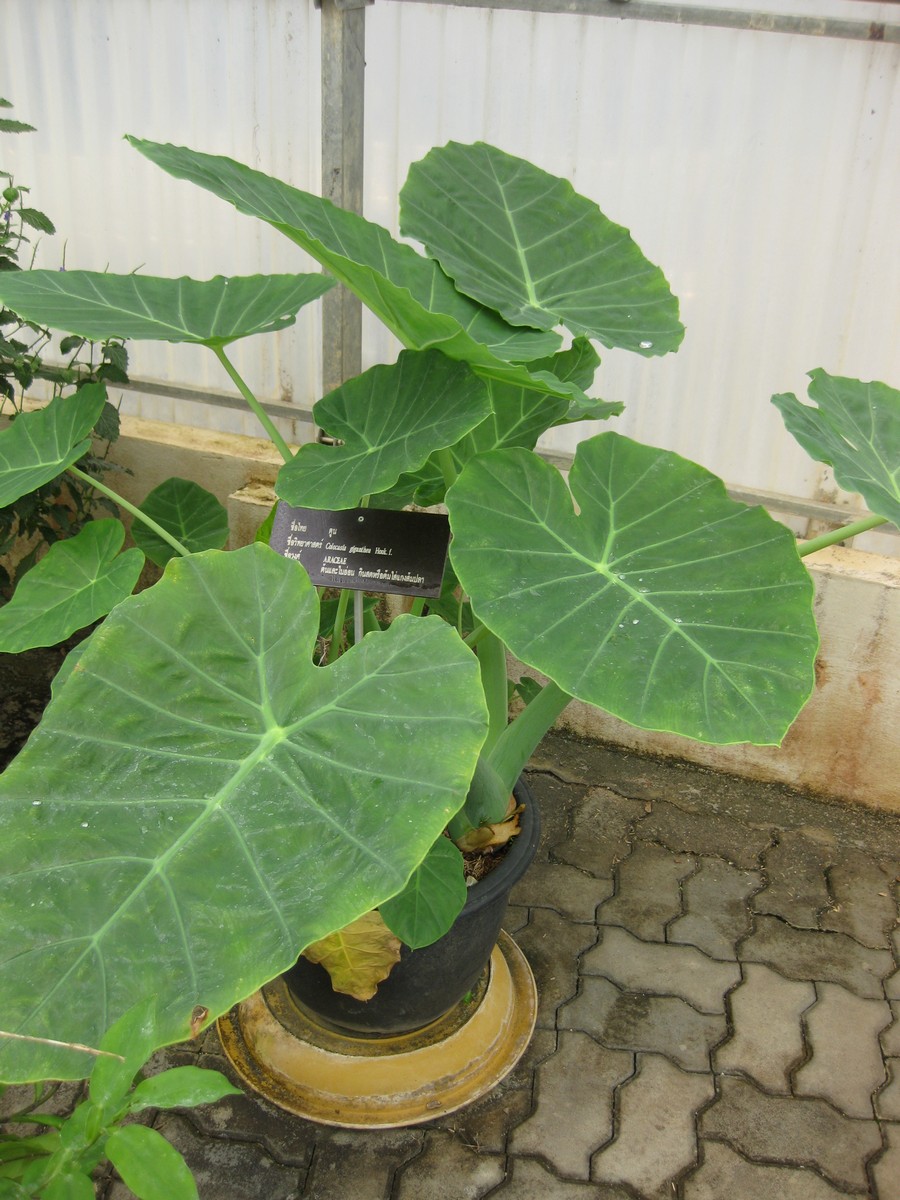
Giant Elephant Ear
Leucocasia gigantea
☀️ Full Sun 💧 High

Golden Shower Tree
Cassia fistula
☀️ Full Sun 💧 Moderate
Grass Pea
Lathyrus sativus
☀️ Full Sun 💧 Low

Gum Arabic
Senegalia senegal
☀️ Full Sun 💧 Low

Gum Arabic Tree
Vachellia nilotica
☀️ Full Sun 💧 Low

Holy Basil
Ocimum tenuiflorum
☀️ Full Sun 💧 Moderate
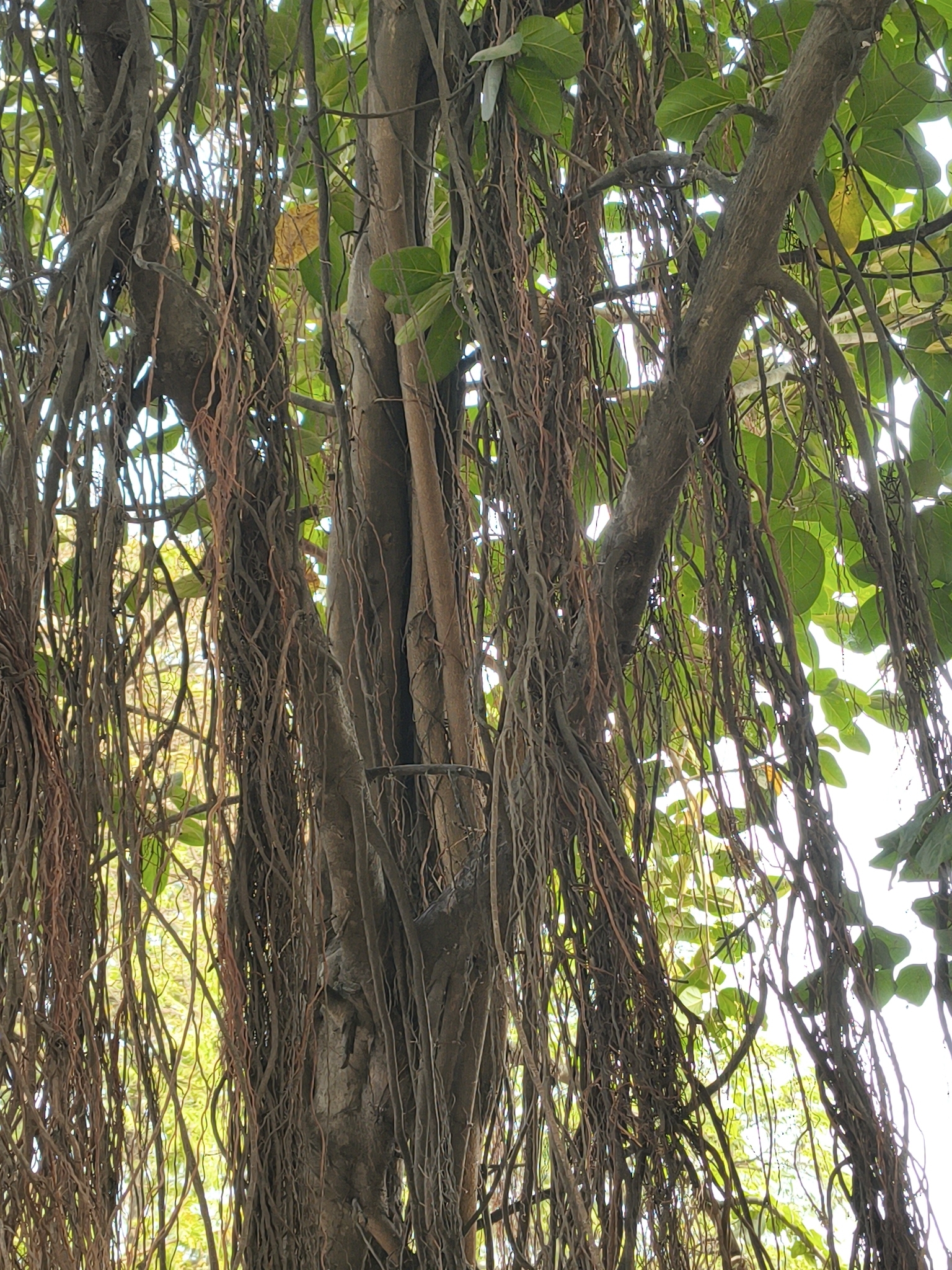
Indian Banyan
Ficus benghalensis
☀️ Bright Indirect 💧 Moderate

Indian Coral Tree
Erythrina variegata
☀️ Full Sun 💧 Moderate
Indian Rosewood
Dalbergia sissoo
☀️ Full Sun 💧 Low
Indian Snakeroot
Rauvolfia serpentina
☀️ Partial Shade 💧 High

Indian Wood Apple
Limonia acidissima
☀️ Full Sun 💧 Low
Common Questions
Which plants are native to the Indian Subcontinent?
Over 18,000 vascular plant species are native to the Indian Subcontinent, including prominent plants such as the banyan, drumstick tree, bael, and lemon basil.
What climate conditions do Indian native plants require?
Most plants from the Indian Subcontinent require warm temperatures between 20 °C and 35 °C (68 °F to 95 °F) alongside distinct wet monsoon and dry seasonal cycles.
Can plants native to India be grown in containers?
Yes, compact species such as the firecracker flower and shatavari thrive in containers when provided with 6 to 8 hours of indirect bright sunlight and well-draining soil.
How often should you water plants from the Indian Subcontinent?
Water deeply once every 7 to 10 days during active spring and summer growth, allowing the top 5 cm (2 in) of soil to dry out between applications.