Plants Native to the Mediterranean Region
75 plant profiles · Explore 52 Mediterranean native plants, from aromatic herbs to flowering bulbs, adapted to hot dry summers and lean, well-draining soils.
Mediterranean native plants share evolutionary adaptations for dry summers, winter rainfall, and lean soils high in calcium carbonate. These species originate from the coastal lands around the Mediterranean Basin, spanning Southern Europe, North Africa, and Western Asia. Most require at least 6 hours of direct sunlight daily and decay in waterlogged soil. They feature small, leathery leaves, waxy coatings, or dense surface hairs that reduce transpiration when temperatures exceed 30 °C (86 °F).
Select species based on your site's soil pH, hardiness zone, and intended garden use. Aromatic culinary herbs like lemon balm (Melissa officinalis) and winter savory (Satureja montana) thrive in USDA hardiness zones 5 through 9, requiring loose soil with a pH between 6.5 and 7.8. Flowering woody shrubs such as the chaste tree (Vitex agnus-castus) and red valerian (Centranthus ruber) produce blooms from early summer to autumn while tolerating gravelly, nutrient-poor ground.
For spring displays or dry rock gardens, Mediterranean geophytes and wild perennials offer specialized choices. Paperwhite (Narcissus tazetta) and Persian buttercup (Ranunculus asiaticus) sprout from underground tubers or bulbs during cool, wet winters and enter summer dormancy as temperatures rise. Wild species like Syrian rue (Peganum harmala) survive in arid sites where annual rainfall drops below 200 mm (8 inches). Matching your soil drainage to each plant's moisture cycle prevents root decay.

Almond
Prunus amygdalus
☀️ Full Sun 💧 Moderate
Anise
Pimpinella anisum
☀️ Full Sun 💧 Moderate

Apple Mint
Mentha suaveolens
☀️ Full Sun 💧 Moderate

Arugula
Eruca vesicaria
☀️ Full Sun 💧 Moderate
Atlantic Pistachio
Pistacia atlantica
☀️ Full Sun 💧 Low

Baby’s Tears
Soleirolia soleirolii
☀️ Bright Indirect 💧 High

Beetroot
Beta vulgaris
☀️ Full Sun 💧 Moderate

Bitter Vetch
Vicia ervilia
☀️ Full Sun 💧 Low

Black Horehound
Ballota nigra

Borage
Borago officinalis
☀️ Full Sun 💧 Moderate

Broad Bean
Vicia faba
☀️ Full Sun 💧 Moderate

Caper Bush
Capparis spinosa
☀️ Full Sun 💧 Low

Carnation
Dianthus caryophyllus
☀️ Full Sun 💧 Moderate
Castor Bean
Ricinus communis
☀️ Full Sun 💧 High

Chaste Tree
Vitex agnus-castus
☀️ Full Sun 💧 Low
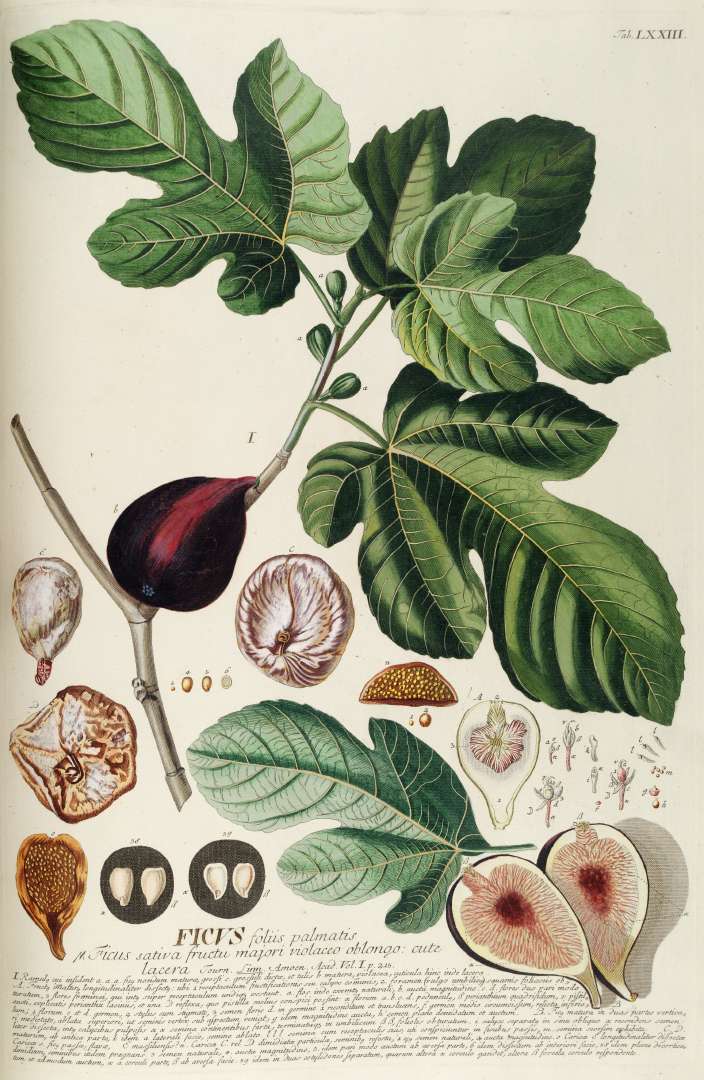
Common Fig
Ficus carica
☀️ Full Sun 💧 Moderate
Common Ice Plant
Mesembryanthemum crystallinum
☀️ Full Sun 💧 Low
Common Rue
Ruta graveolens
☀️ Full Sun 💧 Low
Common Vetch
Vicia sativa
☀️ Full Sun 💧 Moderate
Dusty Miller
Jacobaea maritima
☀️ Full Sun 💧 Low

Endive
Cichorium endivia
☀️ Full Sun 💧 Moderate
Fennel
Foeniculum vulgare
☀️ Full Sun 💧 Moderate

Fenugreek
Trigonella foenum-graecum
☀️ Full Sun 💧 Moderate

Fern-Leaf Lavender
Lavandula multifida
☀️ Full Sun 💧 Low
Common Questions
What defines a Mediterranean plant?
Mediterranean plants are species adapted to hot, dry summers and cool, wet winters. They feature deep taproots, small aromatic foliage, or summer dormancy to conserve moisture in low-rainfall environments.
Do Mediterranean plants need full sun?
Yes, Mediterranean native plants require full sun, receiving at least 6 to 8 hours of direct light daily. Shady conditions cause weak stems, reduced flowering, and lower concentrations of leaf oils.
How often should you water Mediterranean native plants?
Water Mediterranean plants deeply once every 10 to 14 days during active growth, allowing the top 5 cm (2 inches) of soil to dry out completely. Established specimens require little to no supplemental water during summer.
What soil type do Mediterranean plants need?
Mediterranean native plants require coarse, fast-draining soil with a neutral to alkaline pH of 6.5 to 8.0. Incorporate gravel, sand, or limestone chippings into heavy soils to accelerate water runoff.