Plants Native to North America
402 plant profiles · Explore plant species native to North America. Learn natural habitats, soil preferences, climate zones, and care requirements for North American flora.
North American native plants span USDA hardiness zones 1 through 11, ranging from subarctic tundra to arid southwestern deserts and humid southeastern wetlands. Selecting species from this continent requires matching your garden's specific moisture levels, soil pH, and seasonal temperature extremes to the plant's endemic origin. Arid regions support drought-tolerant succulents such as the pancake prickly pear (Opuntia chlorotica) and banana yucca (Yucca baccata), which thrive in low-nutrient soil with full sun exposure.
Moisture-loving species occupy damp temperate forests and riparian zones. Beech fern (Phegopteris connectilis) grows in cool, shady northern woodlands, whereas high-bush cranberry (Viburnum edule) produces fruit in moist subarctic thickets. For dry interior basins, shrubs like winterfat (Krascheninnikovia lanata) tolerate winter freezes down to -34 °C (-30 °F) while maintaining deep root systems in sandy soils.
To choose the right species, measure your site's sunlight hours and test the soil drainage. Canopy trees like the swamp chestnut oak (Quercus michauxii) need deep, acidic soils in zones 6 through 9, whereas desert plants require coarse grit and dry winter crowns. Matching plants to their native microclimates reduces fertilizer needs and supports indigenous insect populations.

Adam’s Needle
Yucca filamentosa
☀️ Full Sun 💧 Low

Adder’s Tongue
Ophioglossum vulgatum
☀️ Partial Shade 💧 Moderate

Allegheny Chinquapin
Castanea pumila
☀️ Full Sun 💧 Low
Alligator Apple
Annona glabra
💧 High
Alpine Aster
Aster alpinus
☀️ Full Sun 💧 Low
Alpine Bistort
Bistorta vivipara
☀️ Full Sun 💧 High

Alpine Clubmoss
Diphasiastrum alpinum
☀️ Full Sun 💧 Moderate

Alpine Meadow-Grass
Poa alpina
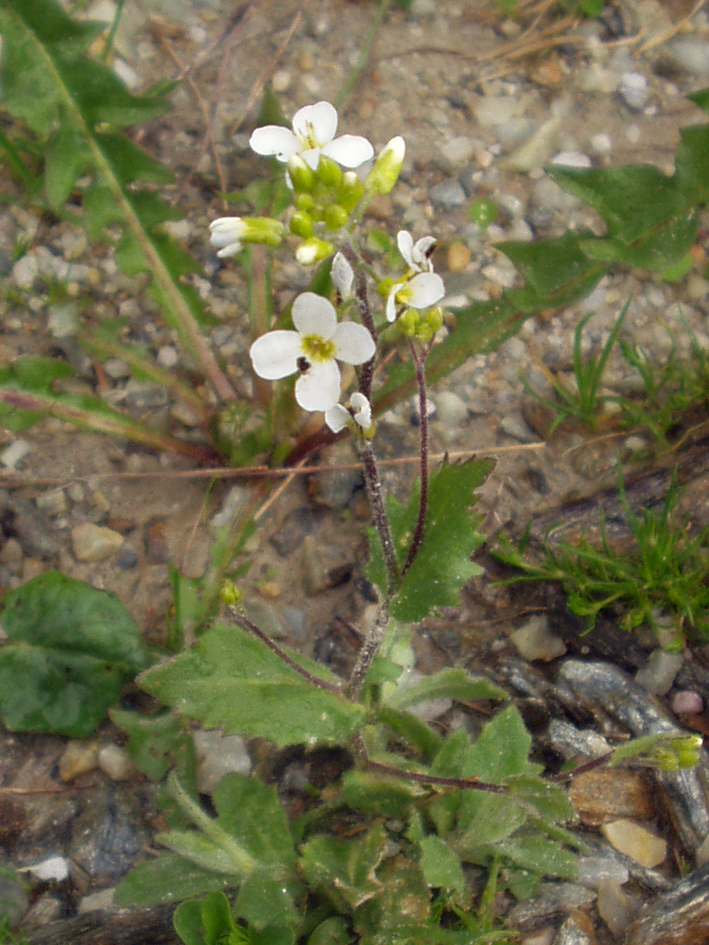
Alpine Rock-Cress
Arabis alpina
☀️ Full Sun 💧 Low

American Basswood
Tilia americana
☀️ Full Sun 💧 Moderate

American Black Currant
Ribes americanum
☀️ Partial Sun 💧 Moderate
American Black Nightshade
Solanum americanum
☀️ Full Sun 💧 Moderate

American Columbine
Aquilegia canadensis
☀️ Partial Shade 💧 Moderate
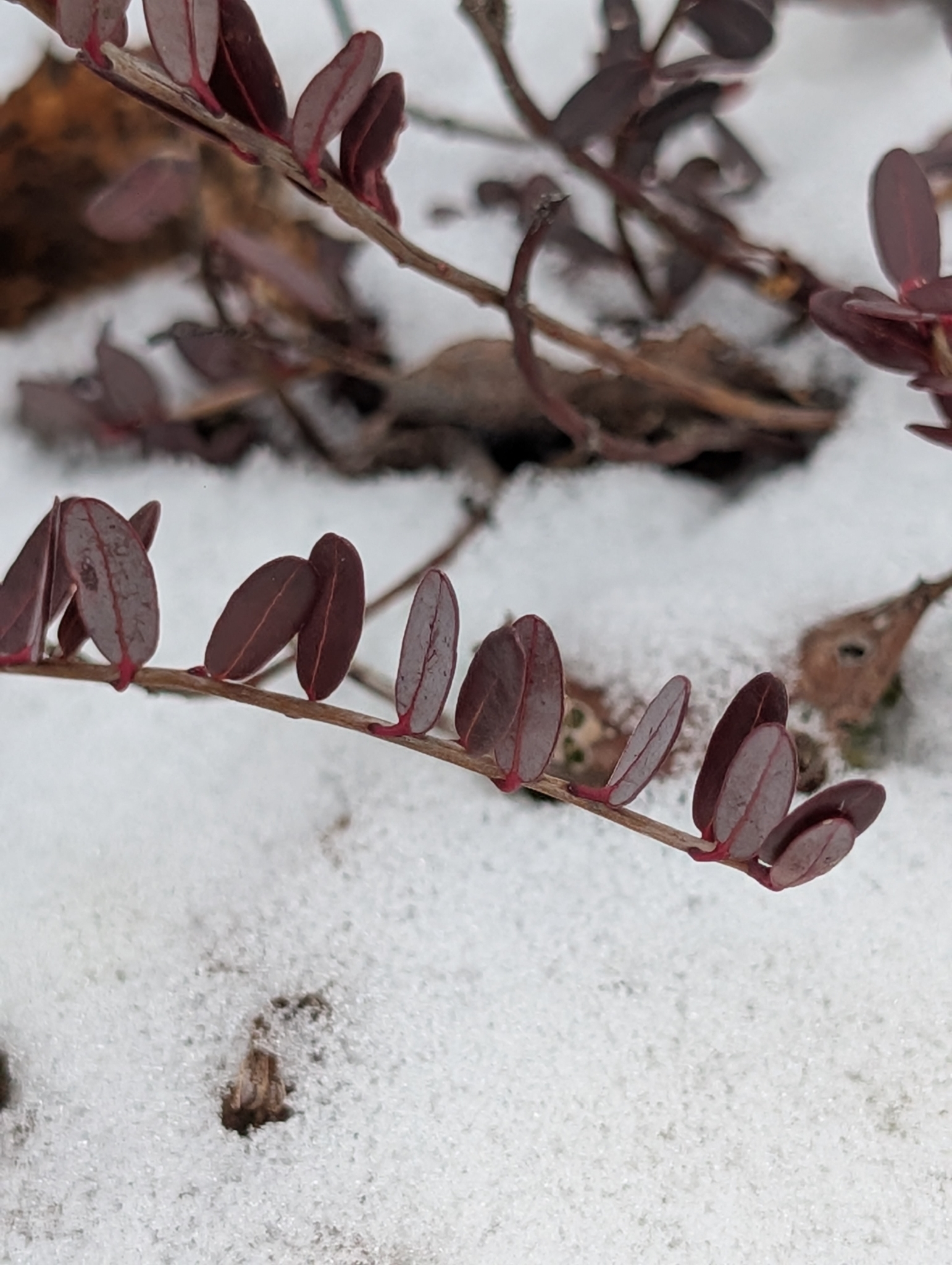
American Cranberry
Vaccinium macrocarpon
☀️ Full Sun 💧 High

American Elm
Ulmus americana
☀️ Full Sun 💧 Moderate

American False Hellebore
Veratrum viride
☀️ Partial Shade 💧 High

American Fringetree
Chionanthus virginicus
☀️ Full Sun 💧 Moderate
American Ginseng
Panax quinquefolius
☀️ Full Shade 💧 Moderate

American Hazelnut
Corylus americana
☀️ Full Sun 💧 Moderate

American Holly
Ilex opaca
☀️ Full Sun 💧 Moderate
American Hop Tree
Ptelea trifoliata
☀️ Partial Shade 💧 Moderate

American Mountain Ash
Sorbus americana
☀️ Full Sun 💧 Moderate
American Pokeweed
Phytolacca americana
☀️ Full Sun 💧 Moderate

American Prickly-Ash
Zanthoxylum americanum
☀️ Partial Sun 💧 Moderate
Common Questions
Why grow plants native to North America?
Native North American species require less supplemental water and fertilizer when planted within their natural climate zones. They provide food and habitat for local pollinators, birds, and beneficial insects.
How do I choose the right North American plant for my garden?
Match the species to your local USDA hardiness zone, soil drainage, and sunlight exposure. Desert succulents fail in wet clay, while woodland ferns require continuous moisture and canopy shade.
Are North American native plants cold hardy?
Hardiness varies widely, with northern species surviving temperatures below -40 °C (-40 °F), while southern species suffer injury at 0 °C (32 °F). Always check the specific climate origin of the plant before wintering outdoors.