Plants Native to Russia
33 plant profiles · Explore plants native to Russia, from panicle hydrangea to Siberian ginseng. Learn their climate hardiness, growth habits, and light requirements.
Native plants from Russia are shaped by extreme continental climates, enduring freezing winters dropping below -30 °C (-22 °F) and short, warm summers. This background produces high cold hardiness, strong root systems, and distinct seasonal dormancy cycles. Selecting species from this region allows northern gardeners to build reliable borders, hedges, and beds that withstand heavy frost and winter winds.
To select the right species for your space, match your garden's soil moisture and sunlight. Deciduous shrubs like panicle hydrangea (Hydrangea paniculata) and Sargent's cherry (Prunus sargentii) thrive in full sunlight to light shade with moist, well-draining soil, producing summer blooms and spring blossom. Wet or low-lying sites suit dappled willow (Salix integra) and black fritillary (Fritillaria camschatcensis), which adapt well to boggy conditions and damp ground across USDA hardiness zones 3 through 7.
For dry, open spots or gravel beds, hardy perennials and herbs offer clear foliage structure and reliable flowers. Tartarian aster (Aster tataricus) provides late-autumn blue flowers reaching 1.8 m (6 ft) tall, while Baikal skullcap (Scutellaria baicalensis) and Siberian ginseng (Eleutherococcus senticosus) grow in nutrient-poor soils. Cereal crops like rye (Secale cereale) tolerate severe frost down to -35 °C (-31 °F) while conditioning heavy clay soils.

Aizoon Stonecrop
Phedimus aizoon
☀️ Full Sun 💧 Low

Anomalous Peony
Paeonia anomala
☀️ Full Sun 💧 Moderate

Baikal Skullcap
Scutellaria baicalensis
☀️ Full Sun 💧 Low

Black Fritillary
Fritillaria camschatcensis
Branched Plantain
Plantago arenaria
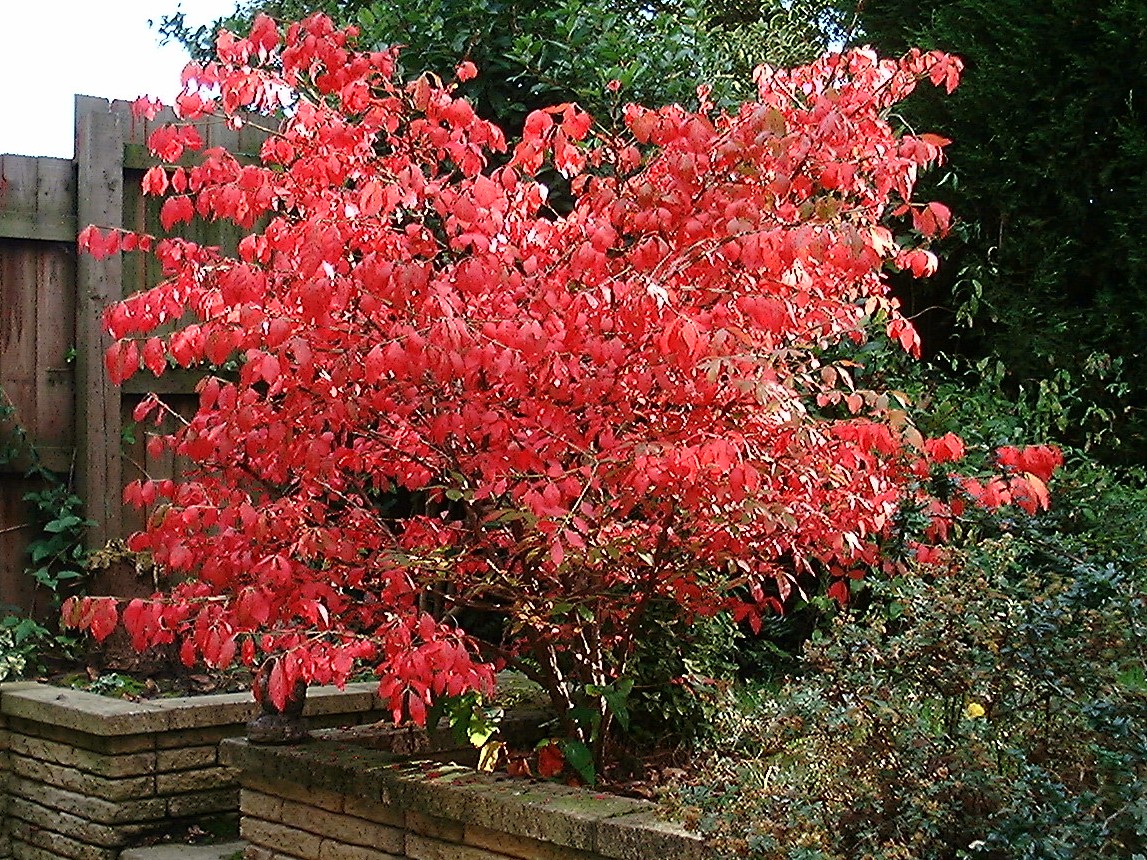
Burning Bush
Euonymus alatus
☀️ Full Sun 💧 Moderate
Bush Vetch
Vicia sepium
☀️ Partial Shade 💧 Moderate

Bushweed
Flueggea suffruticosa
☀️ Full Sun 💧 Moderate

Creeping Broad-Leaved Sedge
Carex siderosticta
☀️ Partial Shade 💧 High

Crested Wheatgrass
Agropyron cristatum
☀️ Full Sun 💧 Low

Dangshen
Codonopsis pilosula
☀️ Partial Sun 💧 Moderate

Dappled Willow
Salix integra
☀️ Full Sun 💧 High
Giant Knotweed
Reynoutria sachalinensis

Japanese Angelica Tree
Aralia elata
☀️ Partial Sun 💧 Moderate
Korean Ginseng
Panax ginseng
☀️ Full Shade 💧 Moderate
Korean Pine
Pinus koraiensis
☀️ Full Sun 💧 Moderate

Ma Huang
Ephedra sinica
☀️ Full Sun 💧 Low

One-Cone Clubmoss
Lycopodium lagopus
Oxlip
Primula elatior
☀️ Partial Shade 💧 Moderate

Panicle Hydrangea
Hydrangea paniculata
☀️ Full Sun 💧 Moderate
Round-Leaved Wintergreen
Pyrola rotundifolia

Rye
Secale cereale
☀️ Full Sun 💧 Moderate

Sargent’s Cherry
Prunus sargentii
☀️ Full Sun 💧 Moderate
Sea Wormwood
Artemisia maritima
Common Questions
What USDA hardiness zones suit Russian native plants?
Most plants native to Russia thrive in USDA zones 3 through 7 due to their natural adaptation to sub-zero winter temperatures. Woody species like panicle hydrangea and Tartarian aster tolerate winter drops down to -40 °C (-40 °F).
Do plants native to Russia require cold stratification to germinate?
Many seeds from native Russian species require 4 to 12 weeks of cold moist stratification at 1-4 °C (34-40 °F) to break seed dormancy. Perennials like black fritillary and Siberian ginseng rely on a prolonged freezing period before sprouting in spring.
Which Russian native plants prefer wet soil?
Dappled willow and black fritillary perform best in consistently damp to wet soil. Dappled willow absorbs standing water near pond edges, while black fritillary naturally inhabits wet meadows and coastal marshlands.
How much sunlight do Russian native perennials need?
Most Russian native perennials require at least six hours of direct sunlight daily to flower fully. Species like Tartarian aster and Baikal skullcap develop weak stems and sparse blooms when planted in full shade.