South African Native Plants for Gardens and Indoor Spaces
80 plant profiles · Explore 38 plants native to South Africa, from Jade Plant to Agapanthus. Learn light, soil, and watering needs for indoors and outdoors.
Plants native to South Africa adapt to diverse biomes, from the arid Karoo desert to the Mediterranean winter-rainfall region. Most species require bright light and fast-draining soil, storing moisture in succulent leaves, tubers, or bulbs. You can grow indoor trailing succulents like jade plant (Crassula ovata) and string of pearls (Curio rowleyanus) in bright windows, while growing summer-flowering bulbs outdoors in sunny borders.
Choosing the right South African plant depends on your light levels and winter temperatures. Shade-tolerant species like natal lily (Clivia miniata) grow in indirect indoor light at 15–24 °C (59–75 °F), while sun-demanding groundcovers like treasure flower (Gazania rigens) open their blooms only in direct sunlight. Hardy bulbs like bowden lily (Nerine bowdenii) tolerate frosts down to -10 °C (14 °F), but blue-flowered shrubs like cape leadwort (Plumbago auriculata) require frost protection below 0 °C (32 °F).
Match your soil conditions to the plant native habitat to avoid root rot. Proteas and aloes need gritty, low-phosphorus soil mix with a pH between 5.5 and 6.5, whereas summer-growing bulbs prefer organic potting soil kept moist during active growth and dry during winter dormancy.

African Geranium
Pelargonium sidoides
☀️ Full Sun

African Hemp
Sparrmannia africana
☀️ Bright Indirect 💧 High

African Honeysuckle
Halleria lucida
☀️ Partial Sun 💧 Moderate

African Lily
Agapanthus africanus
☀️ Full Sun 💧 Moderate

African Potato
Hypoxis hemerocallidea
☀️ Full Sun 💧 Low

African Sumac
Searsia lancea
☀️ Full Sun 💧 Low

Asparagus Fern
Asparagus setaceus
☀️ Bright Indirect 💧 Moderate

Baby Sun Rose
Mesembryanthemum cordifolium
☀️ Full Sun 💧 Low

Bacopa
Chaenostoma cordatum
☀️ Partial Sun 💧 High

Barberton Daisy
Gerbera jamesonii
☀️ Full Sun 💧 Moderate

Baseball Cactus
Euphorbia obesa
☀️ Full Sun 💧 Low
Black-Eyed Susan Vine
Thunbergia alata
☀️ Full Sun 💧 Moderate

Bot River Protea
Protea compacta
☀️ Full Sun 💧 Low
Bowden Lily
Nerine bowdenii
☀️ Full Sun 💧 Low
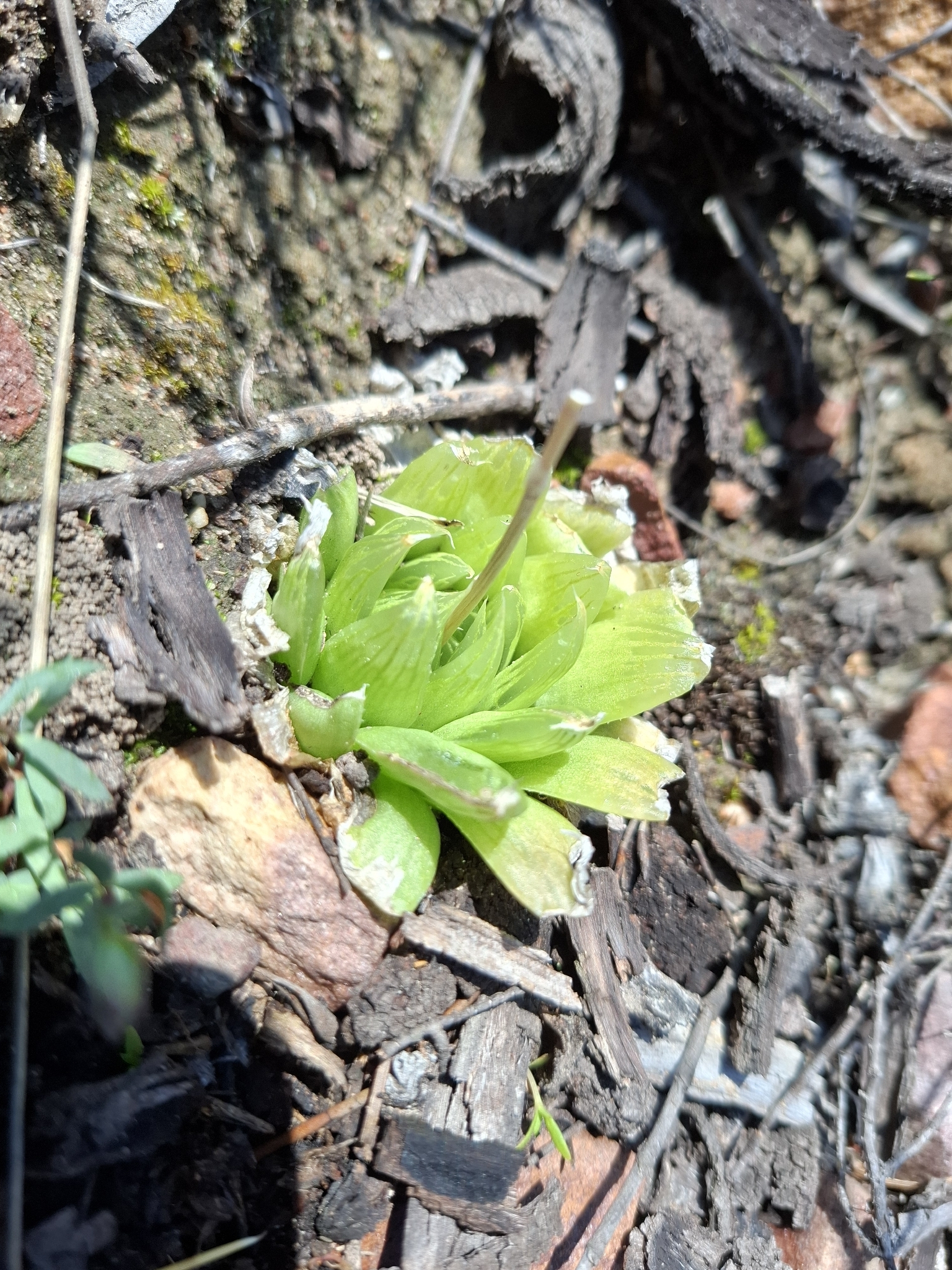
Bristle Haworthia
Haworthia cooperi
☀️ Bright Indirect 💧 Low

Broad-Leaf Sugarbush
Protea eximia
☀️ Full Sun 💧 Low

Brown Sage
Salvia aurea
☀️ Full Sun 💧 Low

Butterspoon Tree
Cunonia capensis
☀️ Partial Sun 💧 High

Calla Lily
Zantedeschia aethiopica
☀️ Full Sun 💧 High

Cape Aloe
Aloe ferox
☀️ Full Sun 💧 Low

Cape Honeysuckle
Tecomaria capensis
☀️ Full Sun 💧 Moderate

Cape Ivy
Senecio angulatus
☀️ Bright Indirect 💧 Low

Cape Leadwort
Plumbago auriculata
☀️ Full Sun 💧 Moderate

Cape Marigold
Dimorphotheca sinuata
☀️ Full Sun 💧 Moderate
Common Questions
Do South African plants survive frost?
Most South African plants cannot tolerate heavy frost, but hardiness varies by native altitude and region. Species from the high Drakensberg mountains handle temperatures down to -10 °C (14 °F), whereas coastal and subtropical species suffer tissue damage below 0 °C (32 °F).
How often should you water South African plants?
Water South African plants only when the top 5 cm (2 in) of soil dries completely during their active growth season. Reduce watering to once every 4 to 6 weeks during winter dormancy to prevent root rot in cold soil.
What soil do South African native plants need?
South African native plants require a coarse, gritty soil mix with at least 30% perlite, coarse sand, or pumice by volume. Soil must drain fully within 15 seconds of watering to prevent moisture from sitting around root systems.
Are South African plants suitable for indoor growing?
Many South African succulents and shade-tolerant perennials make ideal indoor plants if placed within 1 m (3 ft) of a bright window. Succulents need south-facing sunlight, while species like Natal Lily thrive in bright, indirect light away from hot glass.