Plants Native to South America
262 plant profiles · Explore 166 plant species native to South America, including tropical fruit trees, desert cacti, climbing vines, and heat-tolerant grasses.
Plants native to South America originate from diverse biomes, ranging from the humid Amazon Basin and tropical cloud forests to the arid Atacama Desert and high-elevation Andean slopes. This ecological breadth means South American species share adaptations to specific microclimates rather than a single uniform growing requirement. Tropical fruit trees like soursop (Annona muricata) and annatto (Bixa orellana) require year-round warmth above 15 °C (59 °F) and consistent ambient humidity. In contrast, high-altitude Andean cacti like red crown cactus (Rebutia minuscula) thrive in intense sun with minimal water and sharp night-time temperature drops.
When choosing South American plants for your garden or indoor collection, matching your local light and temperature limits is essential. Woody vines like Brazilian jasmine (Mandevilla sanderi) perform best in full morning sunlight with rich, well-draining soil, while warm-season turf species like Bahia grass (Paspalum notatum) tolerate poor, acidic sandy soils and high summer heat. Edible root crops like sweet potato (Ipomoea batatas) need long warm growing seasons with at least 120 frost-free days. Evaluating your available sunlight, minimum winter temperature, and container space will help you select species suited to your exact environment.
Abiu
Pouteria caimito
☀️ Full Sun 💧 High

Aji Pepper
Capsicum baccatum
☀️ Full Sun 💧 Moderate
Alligator Apple
Annona glabra
💧 High

Amargo
Quassia amara
☀️ Partial Shade 💧 High
Amazon Frogbit
Hydrocharis laevigata
☀️ Bright Indirect 💧 Aquatic

Amazon Sword
Aquarius grisebachii
💧 Aquatic
American Black Nightshade
Solanum americanum
☀️ Full Sun 💧 Moderate

American Mint
Mesosphaerum suaveolens
☀️ Full Sun 💧 Moderate

American Sicklepod
Senna obtusifolia
☀️ Full Sun 💧 Moderate

Anamu
Petiveria alliacea

Angel’s Trumpet
Brugmansia suaveolens
☀️ Full Sun 💧 High

Anil Indigo
Indigofera suffruticosa
☀️ Full Sun 💧 Moderate

Anise-Scented Sage
Salvia guaranitica
☀️ Full Sun 💧 Moderate

Annatto
Bixa orellana
☀️ Full Sun 💧 Moderate

Antarctic Beech
Nothofagus antarctica
☀️ Full Sun 💧 Moderate

Apple of Peru
Nicandra physalodes
☀️ Full Sun 💧 Moderate

Arrowhead Plant
Syngonium podophyllum
☀️ Bright Indirect 💧 Moderate

Arrowroot
Maranta arundinacea
☀️ Partial Shade 💧 High

Avocado
Persea americana
☀️ Full Sun 💧 Moderate
Baby Rubber Plant
Peperomia obtusifolia
☀️ Bright Indirect 💧 Moderate

Bacaba Palm
Oenocarpus bacaba
☀️ Full Sun 💧 Moderate
Bahia Grass
Paspalum notatum
☀️ Full Sun 💧 Low

Balsa Tree
Ochroma pyramidale
☀️ Full Sun 💧 High
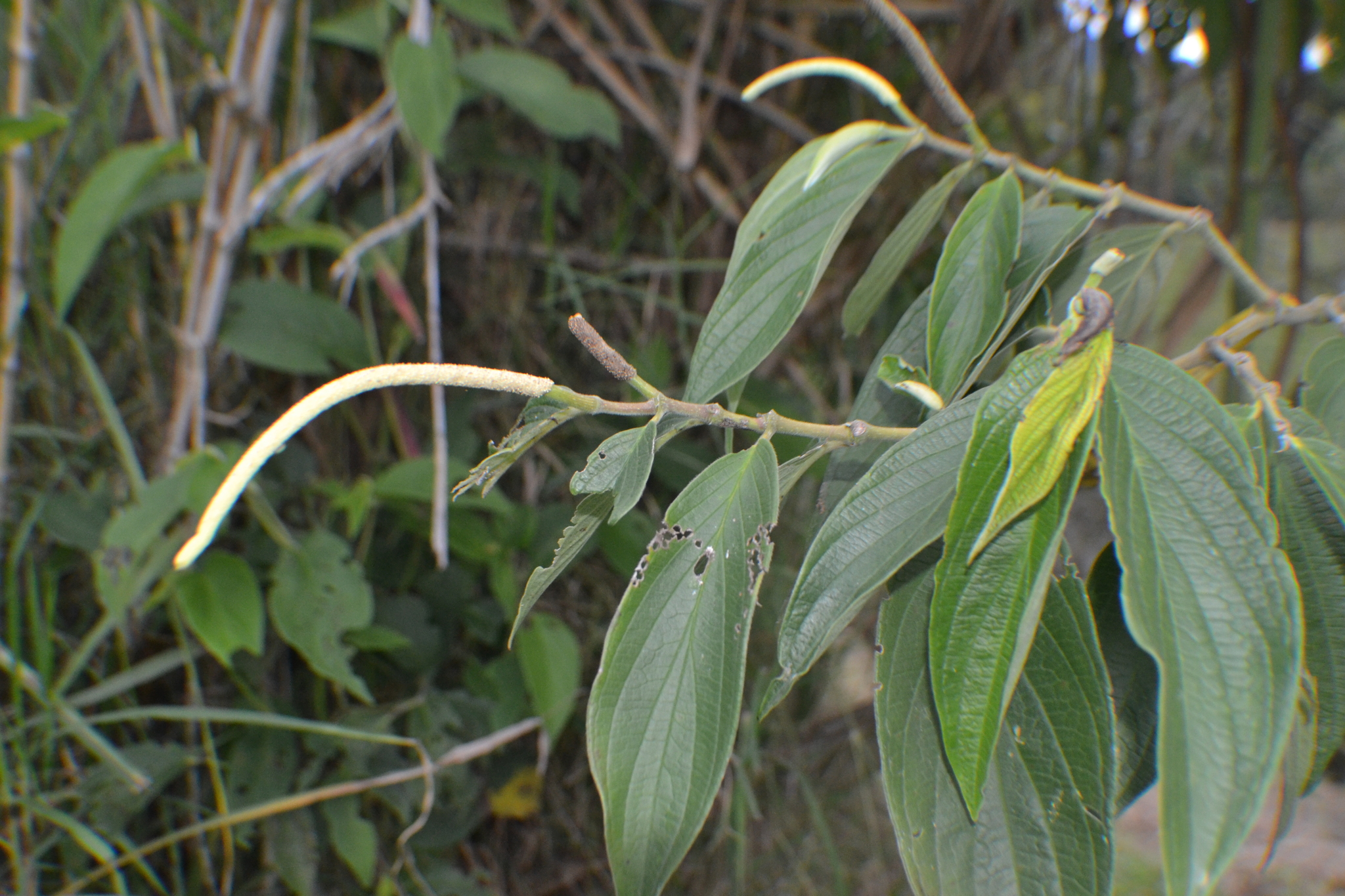
Bamboo Piper
Piper aduncum
☀️ Full Sun 💧 High
Common Questions
What climate conditions do South American plants need?
South American plants require climate conditions tailored to their specific biome of origin, ranging from tropical rainforest heat to dry alpine gravels. Lowland rainforest species need temperatures consistently above 15 °C (59 °F) and high humidity, whereas desert and high-altitude species prefer direct sunlight, fast-draining soil, and dry conditions.
Which South American plants grow well indoors?
Flowering vines, compact cacti, and foliage plants from South America adapt well to indoor container cultivation near bright windows. Brazilian jasmine flourishes in bright indirect light with moderate watering, while small cacti like red crown cactus thrive on sunny window sills in lean potting soil.
Do South American plants tolerate frost?
Most tropical South American species suffer tissue damage when exposed to temperatures below 4 °C (39 °F). However, alpine species native to high Andean elevations can tolerate light, brief frosts provided their soil remains dry during cold periods.
How do you grow South American crop plants?
South American food crops require direct sunlight and at least 120 days of warm weather above 18 °C (65 °F). Species like sweet potatoes need loose soil rich in organic matter to encourage root development without waterlogging.