Plants Native to South Asia
58 plant profiles · Learn how to cultivate plants native to South Asia, including fruit trees, gourds, and tubers. Includes climate, watering, and soil requirements.
Plants native to South Asia evolved across ecosystems ranging from tropical rainforests to monsoon plains. Most of these species thrive in temperatures between 20 °C and 38 °C (68 °F and 100 °F) and require prolonged summer heat. Essential food crops like cucumber (Cucumis sativus) and moth bean (Vigna aconitifolia) originated in this region alongside heat-tolerant fruit trees such as the citron (Citrus medica).
Choosing the right South Asian species depends on your local rainfall and soil moisture. Coastal and wetland options like the nipa palm (Nypa fruticans) require brackish water or continuously wet soils, whereas tubers such as the elephant foot yam (Amorphophallus paeoniifolius) demand rich, well-draining soil with distinct wet and dry cycles. Climbing annuals like the ridge gourd (Luffa acutangula) need strong trellises and at least 6 hours of direct sunlight daily during the growing season.
Keep tropical South Asian plants warm during winter, as cold drafts below 10 °C (50 °F) stop growth and cause leaf drop. Use rich, loamy soils with a pH of 6.0 to 7.5 for most terrestrial species.

Alexandrian Senna
Senna alexandrina
☀️ Full Sun 💧 Low

Apple of Sodom
Calotropis procera
☀️ Full Sun 💧 Low

Ash Gourd
Benincasa hispida
☀️ Full Sun 💧 High
Ashwagandha
Withania somnifera
☀️ Full Sun 💧 Low
Athel Pine
Tamarix aphylla
☀️ Full Sun 💧 Low

Betel Leaf
Piper betle
☀️ Partial Shade 💧 High

Betel Nut Palm
Areca catechu
☀️ Full Sun 💧 High

Black Gram
Vigna mungo
☀️ Full Sun 💧 Moderate

Blue Lotus
Nymphaea nouchali
☀️ Full Sun 💧 Aquatic

Brown Pine
Podocarpus neriifolius
☀️ Full Sun 💧 Moderate

Chinese Chaste Tree
Vitex negundo
☀️ Full Sun 💧 Low

Citron
Citrus medica
☀️ Full Sun 💧 Moderate

Common Leucas
Leucas aspera

Crape Jasmine
Tabernaemontana divaricata
☀️ Bright Indirect 💧 Moderate

Crepe Ginger
Hellenia speciosa
☀️ Partial Shade 💧 High

Cucumber
Cucumis sativus
☀️ Full Sun 💧 High

Date Palm
Phoenix dactylifera
☀️ Full Sun 💧 Low

Dwarf Waterclover
Marsilea minuta
☀️ Full Sun 💧 Aquatic

Elephant Foot Yam
Amorphophallus paeoniifolius
☀️ Full Sun 💧 Moderate

Giloy
Tinospora cordifolia
☀️ Full Sun 💧 Moderate
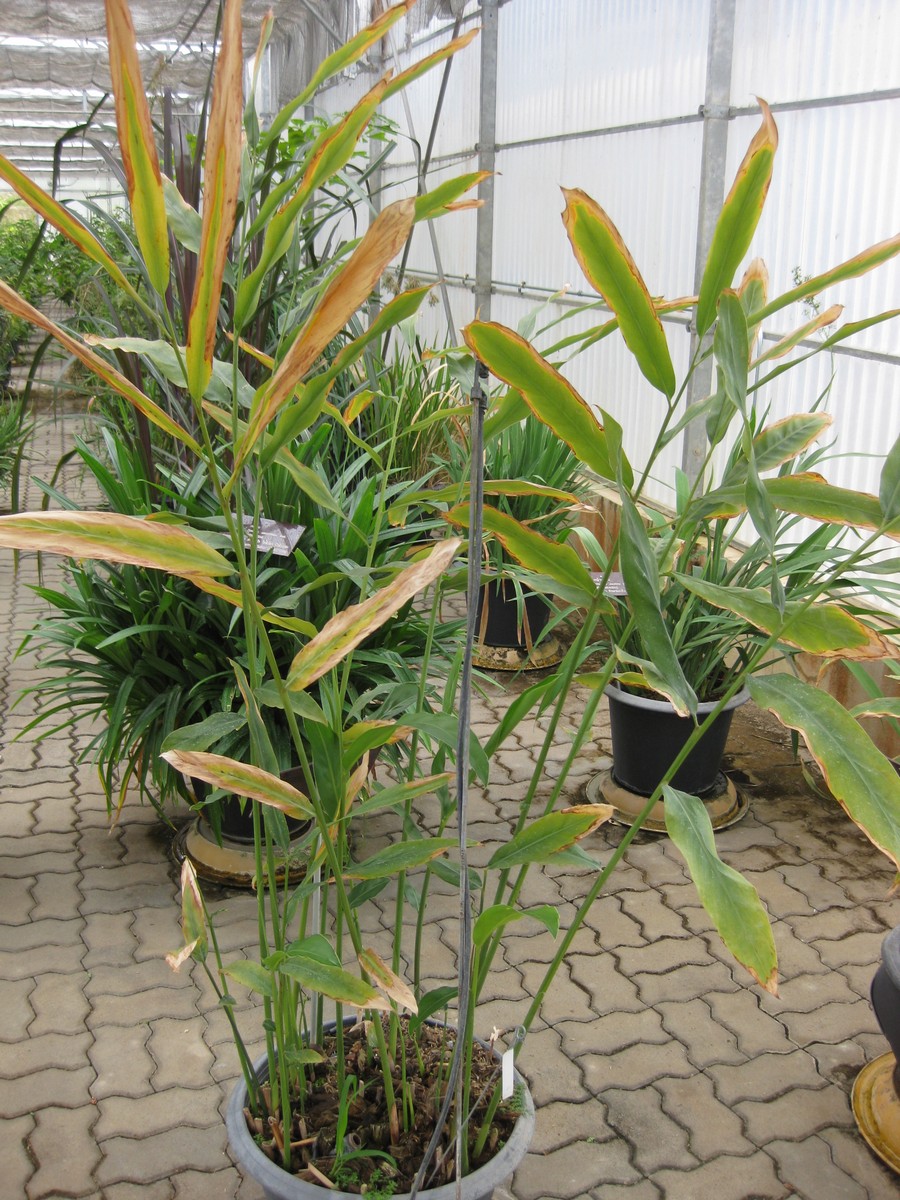
Greater Galangal
Alpinia galanga
☀️ Partial Sun 💧 High

Guar
Cyamopsis tetragonoloba
☀️ Full Sun 💧 Low

Henna
Lawsonia inermis
☀️ Full Sun 💧 Low
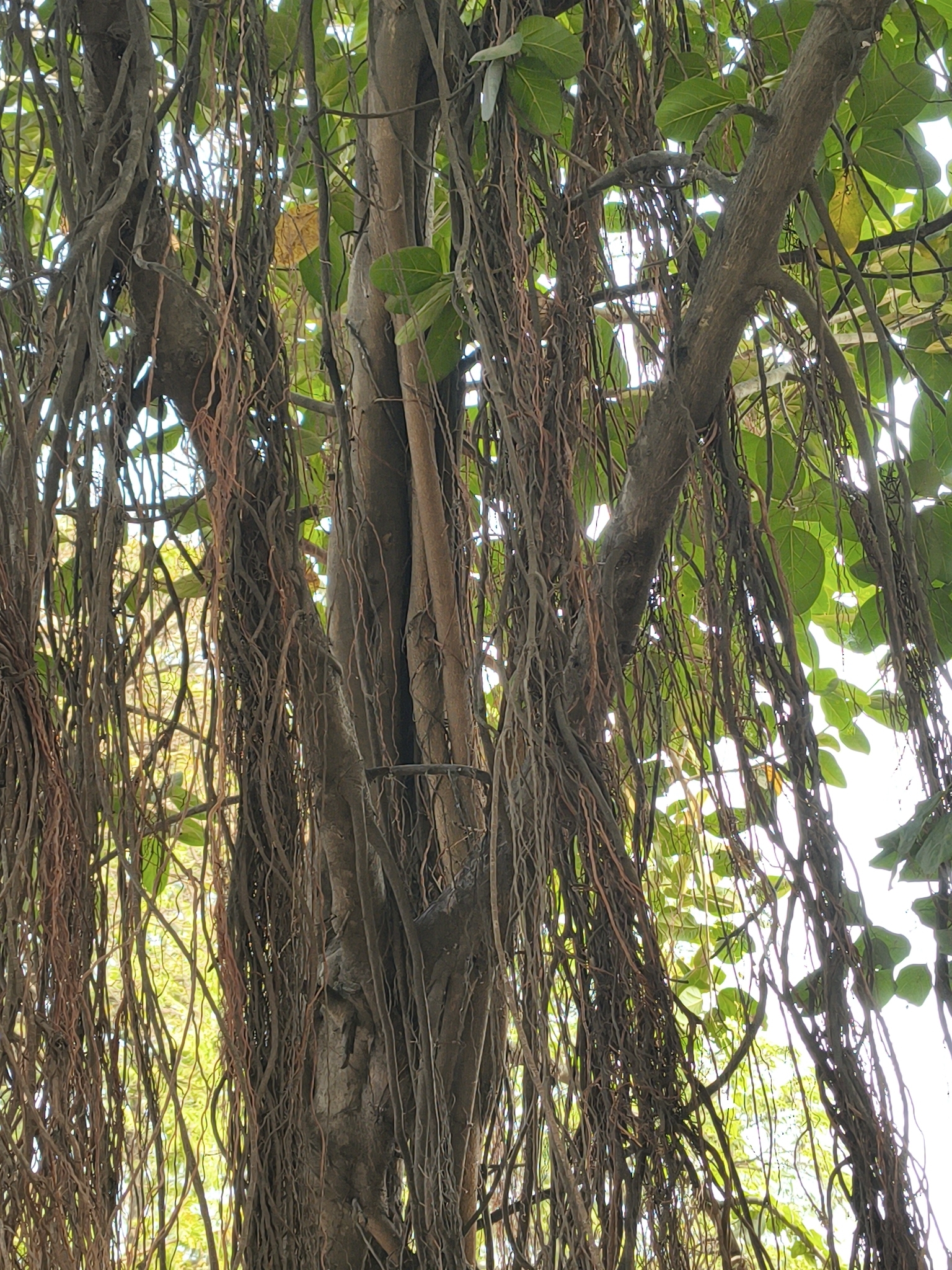
Indian Banyan
Ficus benghalensis
☀️ Bright Indirect 💧 Moderate
Common Questions
What climate do South Asian plants need?
Most plants native to South Asia require warm temperatures between 20 °C and 35 °C (68 °F and 95 °F) and elevated humidity. Protect them from frost, as temperatures below 10 °C (50 °F) cause severe cold damage to tropical species.
Can you grow South Asian plants in temperate zones?
You can grow annual crops and smaller perennials from South Asia in temperate zones during frost-free summer months or inside a heated greenhouse. Sow seeds outdoors only after soil temperatures consistently exceed 18 °C (65 °F).
What soil type is best for South Asian species?
A loose, organic-rich loam with a pH between 6.0 and 7.5 suits the majority of South Asian plants. Wetland species like palms or aquatic ferns require heavier clay soils that retain constant moisture.