Plants Native to Western Europe: Growing and Selection Guide
22 plant profiles · Explore plants native to Western Europe, from wild daffodil to common box. Learn growing conditions, soil needs, and hardiness for 11 native species.
Plants native to Western Europe evolved under a maritime temperate climate characterized by cool summers, mild winters, and consistent rainfall. Species from this region typically handle USDA hardiness zones 5 through 9, enduring winter frosts down to -15 °C (5 °F) while tolerating damp conditions that would rot Mediterranean or desert flora. Understanding their natural habitats—from acidic heathlands to limestone woodlands—helps you select the right species for your garden profile.
Choose your species based on sun exposure, soil pH, and intended garden structure. Evergreen hedging species like common box (Buxus sempervirens) and nitrogen-fixing shrubs such as gorse (Ulex europaeus) thrive in exposed positions, while woodland wild daffodil (Narcissus pseudonarcissus) requires spring moisture under deciduous canopy. Highly toxic herbaceous perennials like monkshood (Aconitum napellus) provide rich vertical blooms in damp borders, whereas spreading field rose (Rosa arvensis) scrambles through sunny hedgerows.
For aromatic ground covers and herbs, low-growing Roman chamomile (Chamaemelum nobile) prefers free-draining sandy loam, while apple mint (Mentha suaveolens) spreads rapidly in damp soils. Heathers such as bell heather (Erica cinerea) require acidic soil with a pH below 5.5. Matching your site's specific moisture levels and soil chemistry to these species ensures low-maintenance establishment.

Apple Mint
Mentha suaveolens
☀️ Full Sun 💧 Moderate

Bell Heather
Erica cinerea
☀️ Full Sun 💧 Low

Cabbage
Brassica oleracea
☀️ Full Sun 💧 Moderate

Common Box
Buxus sempervirens
☀️ Partial Sun 💧 Moderate

Common Sea-Lavender
Limonium vulgare
☀️ Full Sun 💧 High

Dusky Crane’s-Bill
Geranium phaeum
☀️ Partial Shade 💧 Moderate

Elmleaf Blackberry
Rubus ulmifolius
☀️ Full Sun 💧 Moderate

European Holly
Ilex aquifolium
☀️ Partial Shade 💧 Moderate

Field Rose
Rosa arvensis
☀️ Partial Shade 💧 Moderate
French Tamarisk
Tamarix gallica
☀️ Full Sun 💧 Moderate
Good King Henry
Blitum bonus-henricus
☀️ Full Sun 💧 Moderate

Gorse
Ulex europaeus
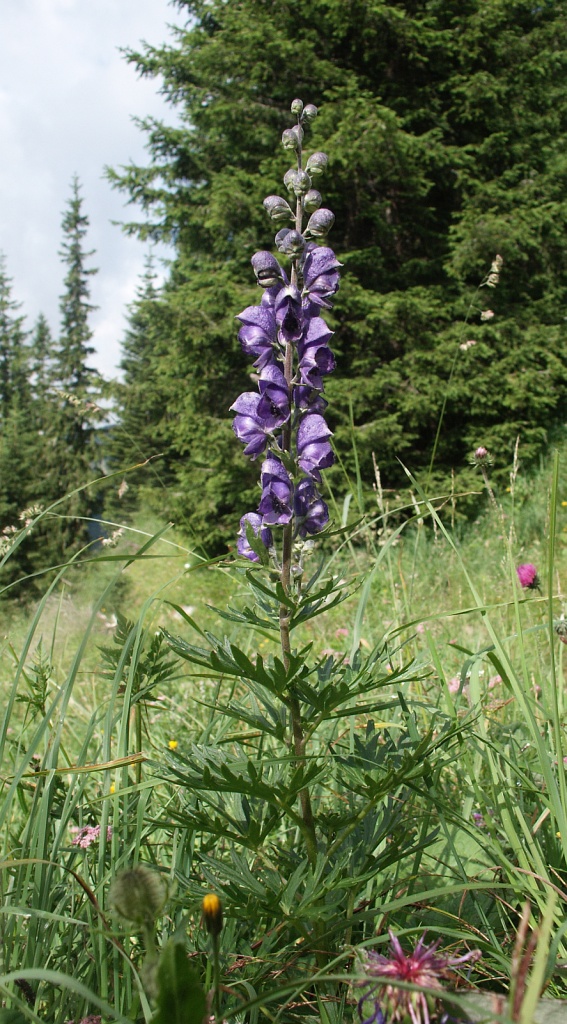
Monkshood
Aconitum napellus
☀️ Partial Sun 💧 High

Pale Flax
Linum bienne
Redcurrant
Ribes rubrum
☀️ Full Sun 💧 Moderate

Roman Chamomile
Chamaemelum nobile
☀️ Full Sun 💧 Low
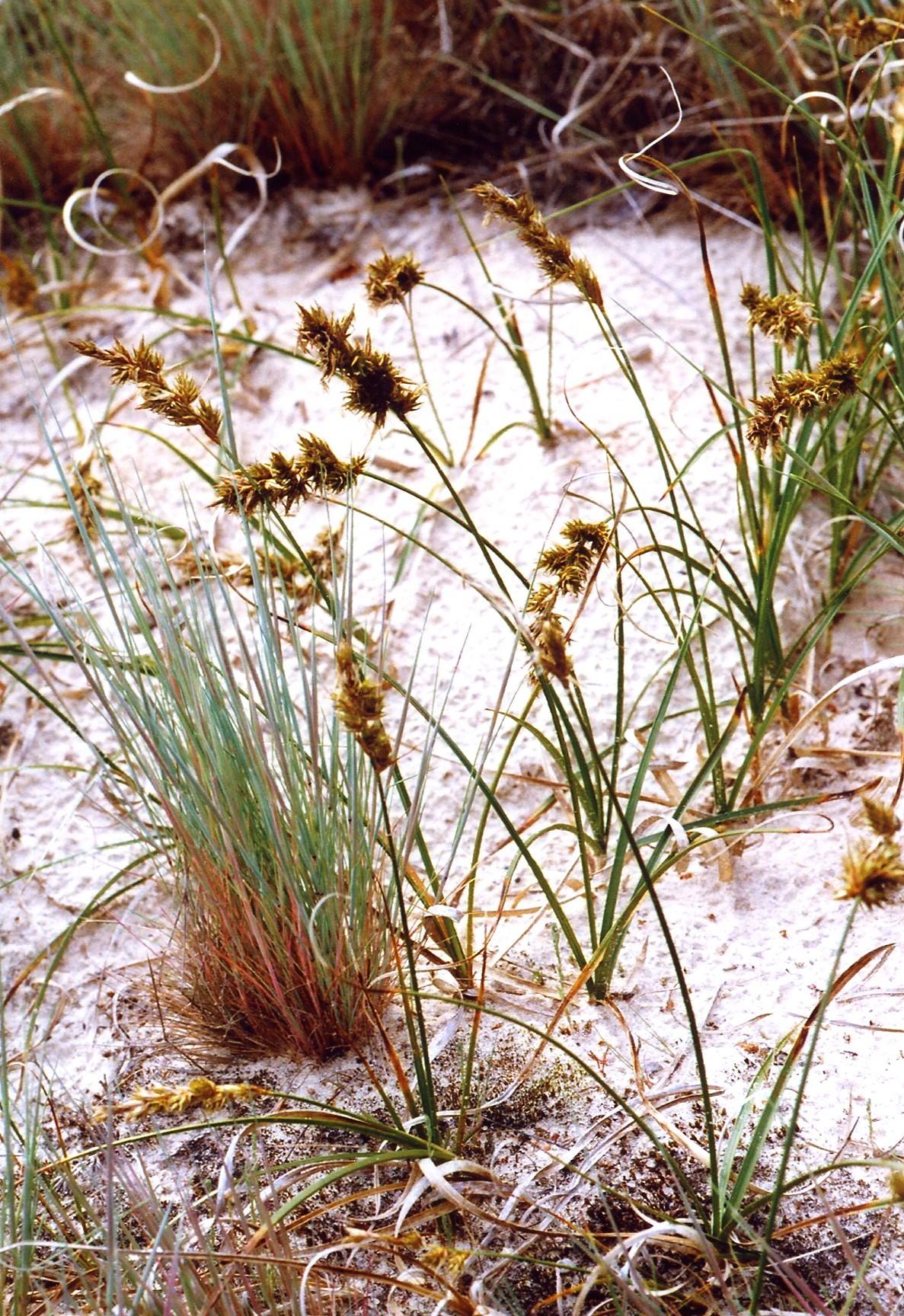
Sand Sedge
Carex arenaria
☀️ Full Sun 💧 Low

Scotch Broom
Cytisus scoparius
☀️ Full Sun 💧 Low
Sea Wormwood
Artemisia maritima

Strawberry Tree
Arbutus unedo
☀️ Full Sun 💧 Moderate

Wild Daffodil
Narcissus pseudonarcissus
☀️ Partial Shade 💧 Moderate
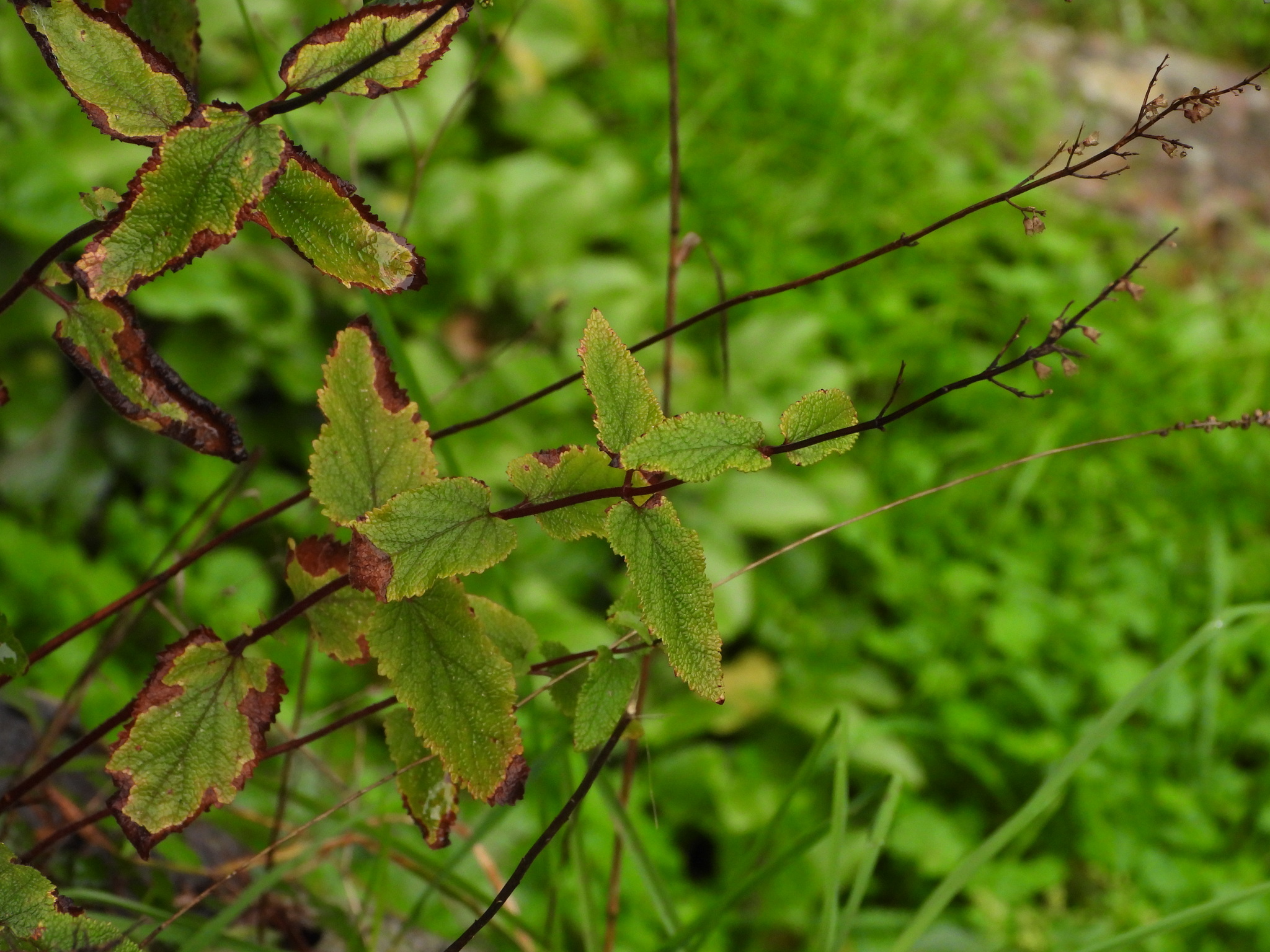
Wood Sage
Teucrium scorodonia
☀️ Partial Shade 💧 Low
Common Questions
What growing conditions do Western European native plants prefer?
Western European native plants thrive in cool temperate climates with consistent soil moisture and partial to full sunlight. Most species tolerate winter temperatures down to -15 °C (5 °F) and adapt to sandy, chalky, or acidic soils depending on their origin habitat.
Which Western European plants are toxic to humans and pets?
Monkshood (Aconitum napellus) is extremely toxic to humans, dogs, and cats due to aconitine alkaloids present in all plant parts. Other native species like Scotch broom contain lower concentrations of alkaloids that cause mild to moderate digestive upset if ingested.
Are Western European native plants drought tolerant?
Shrubs like gorse and Scotch broom tolerate dry spells once established, but most herbaceous species need regular soil moisture. Plants from this maritime region generally perform poorly during extended periods of heat above 30 °C (86 °F) without supplemental irrigation.
How do I choose between evergreen and deciduous Western European species?
Select evergreen species like common box or bell heather for year-round hedge structure, and deciduous perennials like wild daffodil or field rose for seasonal flowers. Evergreen shrubs require free-draining soil, as standing winter water induces root rot.