
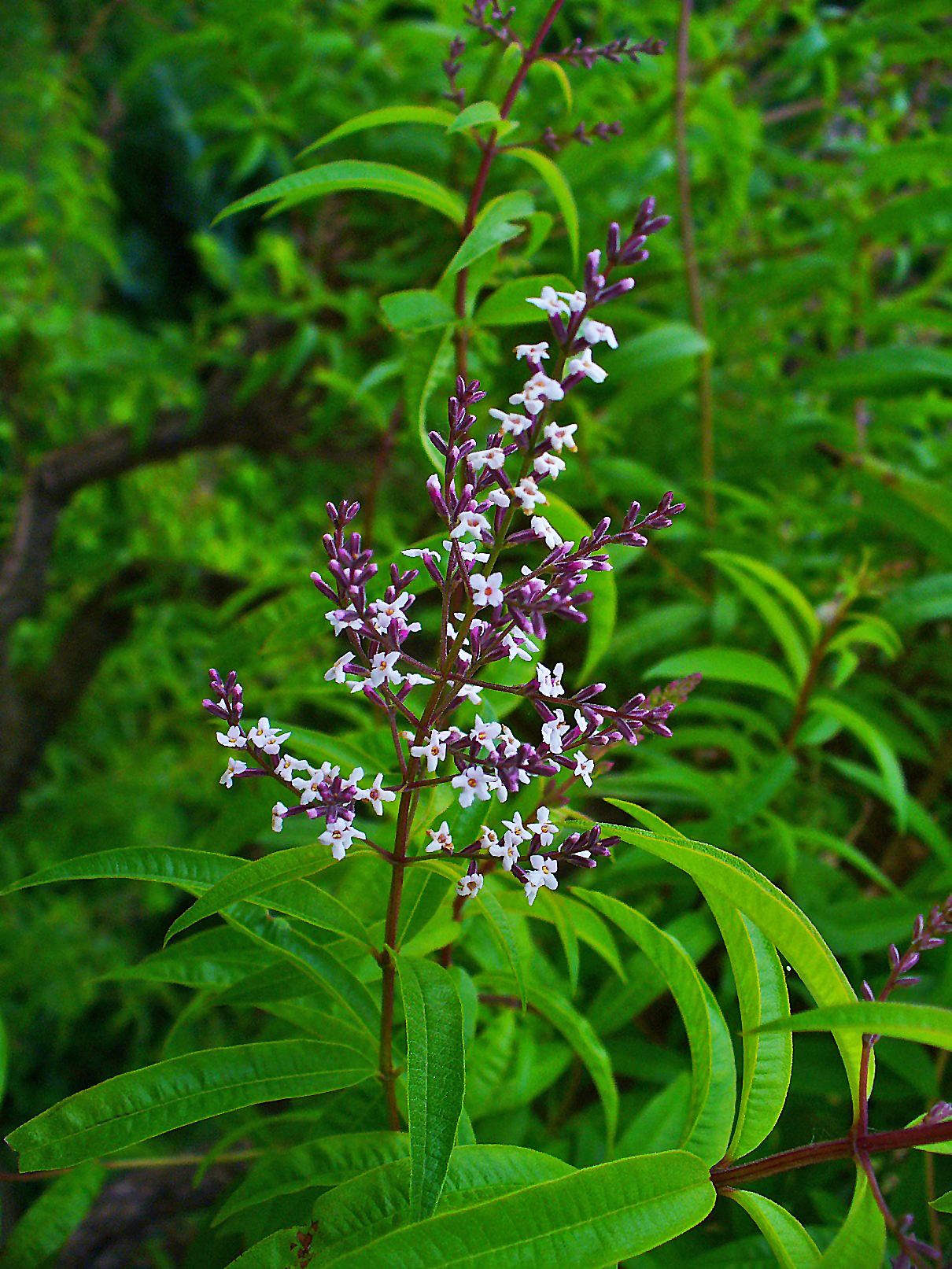
Lemon verbena, Aloysia citrodora, is a perennial shrub from South America, revered for its intensely lemon-scented leaves. It belongs to the verbena family, Verbenaceae.
This herb is a favorite for culinary uses, especially in teas and desserts, and thrives as an outdoor plant in warm regions or as a container specimen elsewhere. Providing ample sunlight and consistent moisture helps ensure a generous supply of fragrant foliage.
Key Facts
- Light: Full sun
- Water: Moderate, consistent moisture
- Height: Up to 3 m (10 ft)
- Hardiness: USDA Zones 8-11
- Uses: Culinary, fragrant tea, ornamental
- Toxicity: Non-toxic to humans and pets
What Is Lemon Verbena Like to Grow?
Lemon verbena is a rewarding herb for gardeners who can provide abundant sunlight and consistent moisture, especially those in warmer climates or with space for container growing.
Its primary appeal is its strong, fresh lemon scent, which makes it ideal for culinary use and fragrant gardens. While it can reach significant sizes in its native habitat, it remains more manageable when grown in pots, making it suitable for patios and sunny windowsills where it can be easily brought indoors for winter.
What Does Lemon Verbena Look Like?
Lemon verbena is a deciduous shrub with slender, woody stems and lance-shaped leaves that are intensely aromatic when crushed.
The leaves are bright green, typically 3-10 cm (1-4 inches) long, and grow in whorls of three around the stem. In summer, the plant produces small, delicate white to pale purple flowers in loose, airy spikes at the tips of its branches. The overall habit is upright, becoming somewhat woody and open with age.
Ideal Growing Conditions for Lemon Verbena
Lemon verbena thrives in locations with full sun, receiving at least six to eight hours of direct sunlight daily.
It prefers a well-drained, loamy soil with a neutral to slightly acidic pH, ideally between 6.0 and 7.0. In its native South America, it experiences warm conditions, so consistent temperatures above 10 °C (50 °F) are best for active growth. Protect lemon verbena from harsh winds, which can damage its somewhat brittle stems.
How to Plant Lemon Verbena
Plant lemon verbena in spring after the last frost, either from cuttings or young nursery plants.
If growing from seed, start indoors eight to ten weeks before the last frost, as germination can be slow and erratic. Space plants about 60-90 cm (2-3 ft) apart in the garden to allow for mature spread. For container growing, use a pot at least 30 cm (12 inches) in diameter with good drainage holes, using a high-quality potting mix.
Caring for Lemon Verbena Plants
Water lemon verbena regularly to keep the soil consistently moist but never waterlogged, especially during dry spells or if grown in pots.
Reduce watering in cooler months when the plant’s growth slows. Feed your lemon verbena with a balanced liquid fertilizer every two to four weeks during the growing season (spring and summer). Container plants may need more frequent feeding due to nutrient depletion.
Pruning Lemon Verbena
Prune lemon verbena in early spring to encourage bushier growth and to remove any dead or leggy stems.
You can also lightly prune throughout the growing season by pinching back stem tips after harvesting leaves. This promotes branching and prevents the plant from becoming too tall and sparse. A more significant prune can be done in late summer or early autumn to shape the plant and prepare it for winter dormancy.
Harvesting Lemon Verbena Leaves
Harvest lemon verbena leaves in the morning after the dew has dried, as this is when their aromatic oils are most potent.
You can begin harvesting once the plant is established and has several sets of leaves. Simply snip off individual leaves or entire stems as needed, taking care not to remove more than one-third of the plant at a time. Regular harvesting encourages the plant to produce more foliage throughout the growing season.
Uses for Lemon Verbena
Lemon verbena leaves offer a pure, intense lemon flavor without the tartness, making them suitable for a wide range of culinary applications.
- Teas: Brew fresh or dried leaves for a soothing, fragrant herbal tea.
- Desserts: Infuse custards, syrups, sorbets, and baked goods with its flavor.
- Savory Dishes: Use in marinades for fish or poultry, or finely chopped in dressings.
- Fragrance: Add leaves to potpourri, sachets, or infuse into oils for homemade soaps and perfumes.
- Medicinal (Traditional): Historically, it was traditionally used in folk medicine for digestive issues and as a mild sedative.
The refreshing scent is also popular in home cleaning products and air fresheners.
Common Lemon Verbena Problems
Lemon verbena is generally robust, but it can occasionally face issues, especially if growing conditions are not ideal.
Overwatering can lead to root rot, while insufficient light can result in leggy growth and reduced fragrance. Pests like spider mites and whiteflies may appear, particularly on indoor plants or during dry periods. Inspect your plant regularly and address any problems promptly to maintain its health.
Storing Lemon Verbena
To preserve the fresh scent and flavor of lemon verbena, you can dry the leaves or freeze them.
For drying, hang small bunches of stems upside down in a warm, dark, well-ventilated area until brittle, usually two to three weeks. Alternatively, spread individual leaves on a screen. Once dry, strip the leaves from the stems and store them in airtight containers away from light and heat. Fresh leaves can also be frozen whole or chopped in ice cube trays with water or oil.
Year-Round Care for Lemon Verbena
| Spring | Prune back woody stems to about 15 cm (6 inches) to encourage new growth. Begin fertilizing every two to four weeks. Transplant rooted cuttings or young plants outdoors after the last frost. |
|---|---|
| Summer | Water regularly to maintain consistent soil moisture, especially in hot weather. Harvest leaves frequently to promote bushier growth and collect for drying. Continue fertilizing established plants. |
| Autumn | Reduce watering as temperatures cool and growth slows. Take cuttings for propagation before frost. If growing in containers in cold climates, prepare to bring plants indoors before the first hard frost. |
| Winter | For outdoor plants in zones 8-11, apply a thick layer of mulch around the base for root protection. Indoor container plants need minimal water, allowing the soil to dry out between waterings, and no fertilizer while dormant. |
Lemon Verbena Leaf Problems Explained
| What you see | Likely cause | What to do |
|---|---|---|
| Yellowing leaves | Overwatering or nutrient deficiency | Check soil moisture; ensure good drainage and reduce watering. Apply a balanced fertilizer. |
| Leggy, sparse growth | Insufficient light | Move the plant to a location with more direct sunlight (6-8 hours daily). |
| Leaves wilting or crispy | Underwatering or excessive heat | Increase watering frequency, ensuring soil remains consistently moist. Provide some afternoon shade in extreme heat. |
| Small, discolored spots on leaves | Pests like spider mites or whiteflies | Spray with insecticidal soap or neem oil, ensuring coverage of leaf undersides. |
Frequently Asked Questions
What are the benefits of lemon verbena?
Lemon verbena offers culinary benefits with its intense lemon flavor for teas and foods, and its fragrance is used in perfumes and soaps. Traditionally, it was used to aid digestion and as a calming herbal remedy.
Is lemon verbena annual or perennial?
Lemon verbena is a perennial shrub, meaning it lives for more than two years. It will return each year if grown within its hardiness zones (USDA 8-11) or if protected from frost in colder climates.
Can lemon verbena grow indoors?
Yes, lemon verbena can grow indoors successfully if provided with ample sunlight, ideally from a south-facing window, and consistent watering. Ensure good air circulation and use a well-draining potting mix.
How do you propagate lemon verbena?
Lemon verbena is best propagated from softwood cuttings taken in late spring or early summer. Dip the cut end in rooting hormone and plant it in moist potting mix, keeping it warm and humid until roots develop.
How cold can lemon verbena tolerate?
Lemon verbena can tolerate temperatures down to about -6 to -9 °C (15-20 °F) if well-mulched, corresponding to USDA Hardiness Zone 8. In colder zones, it must be brought indoors or protected heavily to survive winter.
What's the difference between lemon verbena and lemon balm?
Lemon verbena (Aloysia citrodora) has slender, lance-shaped leaves with an intense, pure lemon scent and grows as a woody shrub. Lemon balm (Melissa officinalis) has broader, crinkled, heart-shaped leaves, a more minty-lemon aroma, and grows as a herbaceous perennial herb in the mint family.
Information about traditional or historical uses is provided for educational interest only and is not medical advice. Do not use any plant to treat a condition without speaking to a qualified professional.
Sources & Verification
Taxonomy and distribution are checked against the databases below. Care guidance is written for cultivated species only and reviewed by our editor. How We Build Plant Profiles →