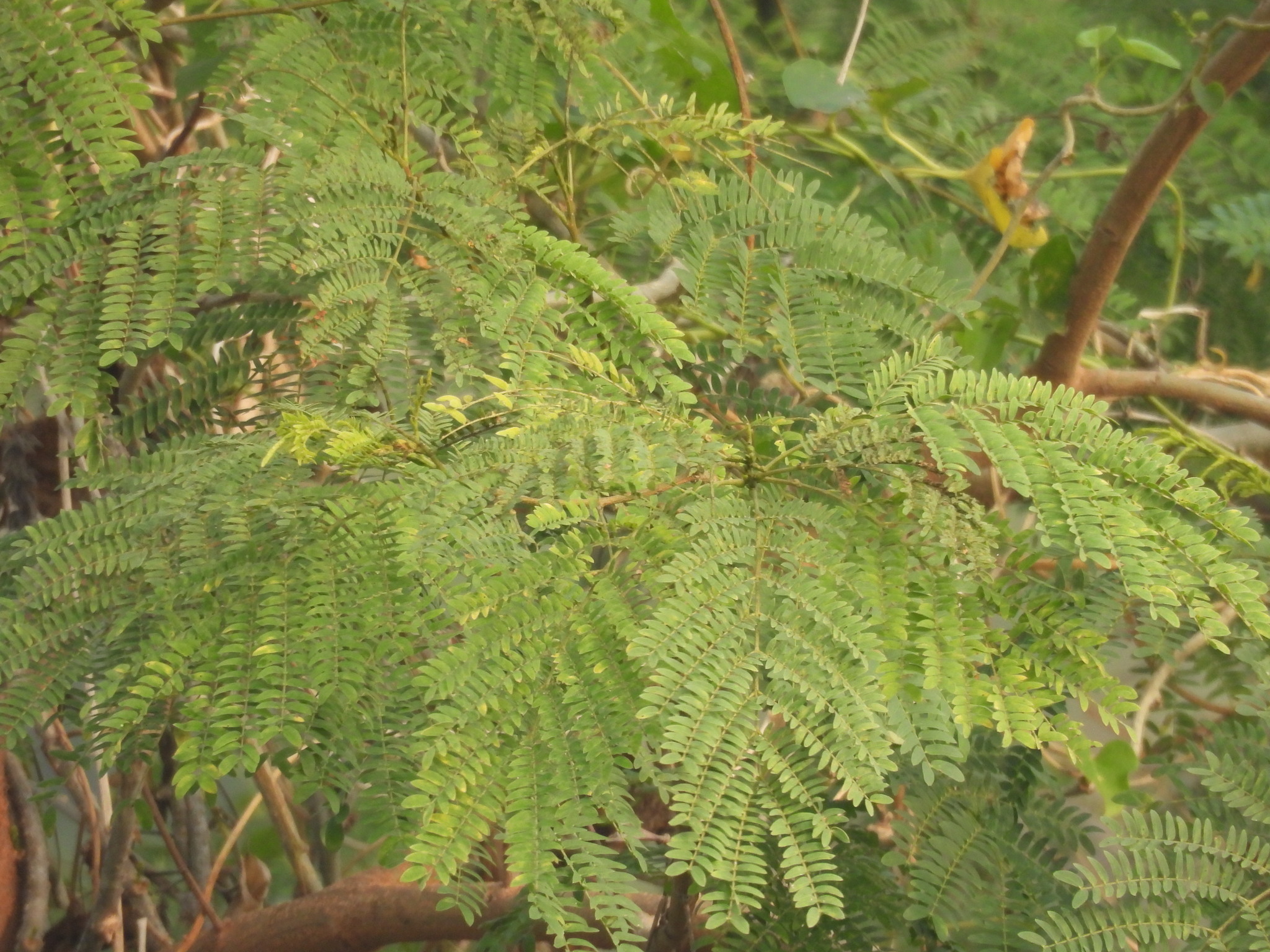
Peltophorum dubium, known as yellow poinciana or horsebush, is a large deciduous tree native to South America, including Brazil, Argentina, Paraguay, and Uruguay. Classified in the legume family (Fabaceae), it develops a broad umbrella canopy and upright clusters of golden-yellow flowers.
This species requires substantial growing space to accommodate a mature spread of 15 m (49 ft). Young trees establish rapidly in full sun but suffer dieback if temperatures fall below -3 °C (27 °F).
Key Facts
- Plant Type: Deciduous shade tree
- Mature Height: 20–25 m (65–82 ft)
- Light Needs: Full sun
- Hardiness: USDA zones 9b to 11
- Soil Type: Well-drained loams, clay, or sand
- Native Range: Brazil, Argentina, Paraguay, Uruguay
Is Yellow Poinciana Right for Your Garden?
Yellow poinciana requires a clear space of at least 15 m (49 ft) in diameter to accommodate its expansive mature spread. It suits large suburban parks, agricultural boundaries, and wide street avenues in frost-free regions.
Because the tree sheds seed pods and compound leaves annually, avoid planting it directly adjacent to swimming pools or paved patios. Homeowners seeking quick shade benefit from its growth rate of up to 1 m (3.3 ft) per year during early establishment.
How to Identify Peltophorum dubium
Peltophorum dubium (often cited taxonomically as Peltophorum dubium (Spreng.) Taub.) is distinguished by its bipinnate compound leaves reaching 40 cm (16 in) in length with dozens of tiny, oblong leaflets. The smooth greyish-brown bark on young trunks turns rough and furrowed with age.
In summer and early autumn, the canopy produces terminal flower spikes up to 30 cm (12 in) tall containing yellow flowers measuring 2 cm (0.8 in) across. The fruit (fruto) forms a flat, leathery, brown indehiscent legume pod 5–10 cm (2–4 in) long that holds hard, cylindrical seeds.
Mature Height and Spread
A healthy yellow poinciana reaches a mature height of 20–25 m (65–82 ft) with a canopy spread between 10 and 15 m (33 to 49 ft). The trunk grows straight, developing a diameter of 50–90 cm (20–35 in) at breast height.
Roots spread laterally beyond the canopy drip line to anchor the tall structure. Maintain a minimum distance of 8 m (26 ft) from building foundations, septic lines, and concrete driveways to prevent root interference.
Sunlight and Soil Requirements
Yellow poinciana requires full sun with at least 6 hours of direct daily exposure for maximum flowering. Shade reduces foliage density and causes sparse, weak flower spikes.
The tree adapts to diverse soils including heavy clay, coarse sand, and rich loam, provided drainage is swift. Aim for a soil pH of 5.5 to 7.5. It tolerates brief seasonal droughts once established but fails in standing water.
How to Plant Yellow Poinciana Seeds and Saplings
Plant container-grown saplings into a hole dug twice as wide as the root ball during early spring. If propagating from seeds, scarify the hard seed coat before sowing to achieve reliable germination.
Follow these steps to establish young plants successfully:
- Soak seeds in water heated to 80 °C (176 °F) for 5 minutes, then leave in warm water for 24 hours prior to planting.
- Sow scarified seeds 1.5 cm (0.6 in) deep in moist seed-starting soil kept at 20–25 °C (68–77 °F).
- Set nursery saplings at the exact soil depth they occupied in their growing container.
- Water newly planted trees with 20 L (5 gal) of water to eliminate air pockets around the root mass.
- Apply a 7 cm (3 in) layer of wood mulch around the base, keeping it 10 cm (4 in) away from the bark.
Watering and Fertilization Schedule
Provide young trees with 25 mm (1 in) of water weekly during their first two growing seasons in the ground. Established trees rely on natural rainfall and require supplemental watering only during extended dry spells exceeding 4 weeks.
Apply a balanced slow-release fertilizer such as 10-10-10 at a rate of 500 g (1.1 lb) per 2.5 cm (1 in) of trunk diameter in early spring. Avoid heavy nitrogen applications, which encourage excessive leaf growth at the expense of summer blooms.
Pruning and Canopy Care
Prune yellow poinciana during late winter while dormant to maintain a strong single central trunk. Remove competing vertical stems to prevent V-shaped crotches that split during high winds.
Clear lower branches up to 2.5 m (8 ft) above ground level if planting near walkways or driveways. Always cut just outside the branch collar and avoid topping mature trees, which induces weak epicormic growth.
Pests, Diseases, and Pod Cleanup
Caterpillars can defoliate young trees in mid-summer, requiring monitoring when new shoots emerge. Inspect the canopy regularly for structural issues and health problems.
- Skeletonized foliage from fall webworms or regional moth larvae.
- Fungal wood decay entering trunk wounds caused by lawn mowers or flush cuts.
- Root rot triggered by planting in waterlogged or low-lying sites.
- Chlorosis caused by alkaline soils with a pH above 8.0.
- Heavy pod litter clogging drains during late autumn and winter.
Winter Hardiness and Frost Protection
Mature trees withstand short temperature drops down to -5 °C (23 °F), but lose their leaves below 0 °C (32 °F). Saplings under two years old suffer stem dieback when exposed to temperatures below -2 °C (28 °F).
Protect young trunks in USDA zone 9b by wrapping them with burlap or frost-cloth insulation before severe winter cold fronts. Mulch the root zone deeply in late autumn to retain soil warmth.
Urban Forestry, Timber, and Cultural Uses
Yellow poinciana is planted extensively in South American urban forestry initiatives and native habitat restoration cataloged by projects like Reflora in Brazil. Its dense, pinkish-brown wood, known locally as ibirá-pitá, resists moisture and is traditionally used for heavy construction, fence posts, and carpentry.
Bark extracts high in natural tannins were traditionally used in regional leather tanning processes. In large public parks, landscapers plant it alongside yellow copperpod (Peltophorum pterocarpum), royal poinciana (Delonix regia), and Brazilian fern tree (Schizolobium parahyba) for canopy contrast.
Year-Round Care for Yellow Poinciana
| Spring | Apply a balanced 10-10-10 fertilizer before new growth begins. Prune away dead or damaged branches from winter cold spikes. |
|---|---|
| Summer | Water saplings deeply once per week during rainless spells. Monitor foliage weekly for caterpillar feeding damage. |
| Autumn | Rake up fallen leaf compound debris and brown seed pods. Reduce irrigation frequency as tree growth slows. |
| Winter | Wrap young trunks in frost cloth in zone 9b before hard freezes. Perform structural canopy pruning while the tree is dormant. |
Yellow Poinciana Problems and Remedies
| What you see | Likely cause | What to do |
|---|---|---|
| Yellowing leaves in early summer | Waterlogged soil or iron deficiency in high pH soils | Improve drainage around the root zone and apply chelated iron if soil pH exceeds 7.5. |
| Chewed, skeletonized foliage | Caterpillar infestation | Apply Bacillus thuringiensis (Bt) spray to young foliage upon first sight of larvae. |
| Blackened, dead shoot tips in spring | Late winter frost damage | Prune back damaged shoots to healthy green wood once frost danger has passed. |
| Splitting main crotches | Narrow branch attachment angles | Prune away codominant stems early in the tree’s life to establish a single dominant leader. |
Frequently Asked Questions
What is the common name for Peltophorum dubium?
The primary English common names are yellow poinciana, horsebush, and copperpod. In South America, its standard regional names (nome popular) include ibirá-pitá, árbol de Artigas, and cambuí.
What family does Peltophorum dubium belong to?
It belongs to the legume family, Fabaceae, within the subfamily Caesalpinioideae.
How do you germinate Peltophorum dubium seeds?
Soak the seeds in hot water at 80 °C (176 °F) for 5 minutes, followed by a 24-hour soak in room-temperature water. Plant the swollen seeds 1.5 cm (0.6 in) deep in warm, moist potting medium.
Is Peltophorum dubium the same as Delonix regia?
No, Peltophorum dubium bears bright yellow flowers in erect clusters, whereas Delonix regia (royal poinciana) bears scarlet or orange flowers on wide horizontal branches.
How big does a yellow poinciana tree get?
It reaches a height of 20 to 25 m (65 to 82 ft) with a spreading canopy width of 10 to 15 m (33 to 49 ft).
Information about traditional or historical uses is provided for educational interest only and is not medical advice. Do not use any plant to treat a condition without speaking to a qualified professional.
Sources & Verification
Taxonomy and distribution are checked against the databases below. Care guidance is written for cultivated species only and reviewed by our editor. How We Build Plant Profiles →