Plants in the Zingiberaceae Family
16 plant profiles · Explore the Zingiberaceae plant family, including ginger, turmeric, and cardamom. Learn identification traits, hardiness, and rhizome care.
The Zingiberaceae family comprises over 1,600 species of aromatic perennial herbs characterized by thick underground rhizomes and leafy pseudostems. Native primarily to the warm, humid understories of tropical Asia, these plants thrive outdoors in USDA hardiness zones 8 through 11, though many are grown indoors or harvested annually in cooler climates. You can identify members of this family by their distichous (two-ranked) leaves with overlapping sheaths, pungent aromatic rootstocks, and specialized labellum flowers formed from fused sterile stamens.
When selecting a species to grow, consider whether your primary goal is culinary harvesting or ornamental landscaping. Edible species like ginger (Zingiber officinale), turmeric (Curcuma longa), green cardamom (Elettaria cardamomum), and greater galangal (Alpinia galanga) require 8 to 10 months of frost-free growing conditions to produce thick rhizomes or seed pods. Ornamental tropical varieties such as torch ginger (Etlingera elatior) and white ginger lily (Hedychium coronarium) are cultivated for their terminal inflorescences and floral fragrances, reaching mature heights between 1.5 and 5 m (5 to 16 ft).
All ginger family plants require moist, loamy soil rich in organic matter with a pH between 6.0 and 6.8, bright indirect light, and relative humidity above 50 percent. During the active growth period in spring and summer, maintain ambient air temperatures near 21–29 °C (70–85 °F) and water whenever the top 2.5 cm (1 in) of soil becomes dry. In winter, foliage yellowing occurs as rhizomes enter dormancy; reduce watering to prevent rot until new shoots emerge in spring.

Aromatic Ginger
Kaempferia galanga
☀️ Partial Shade 💧 High
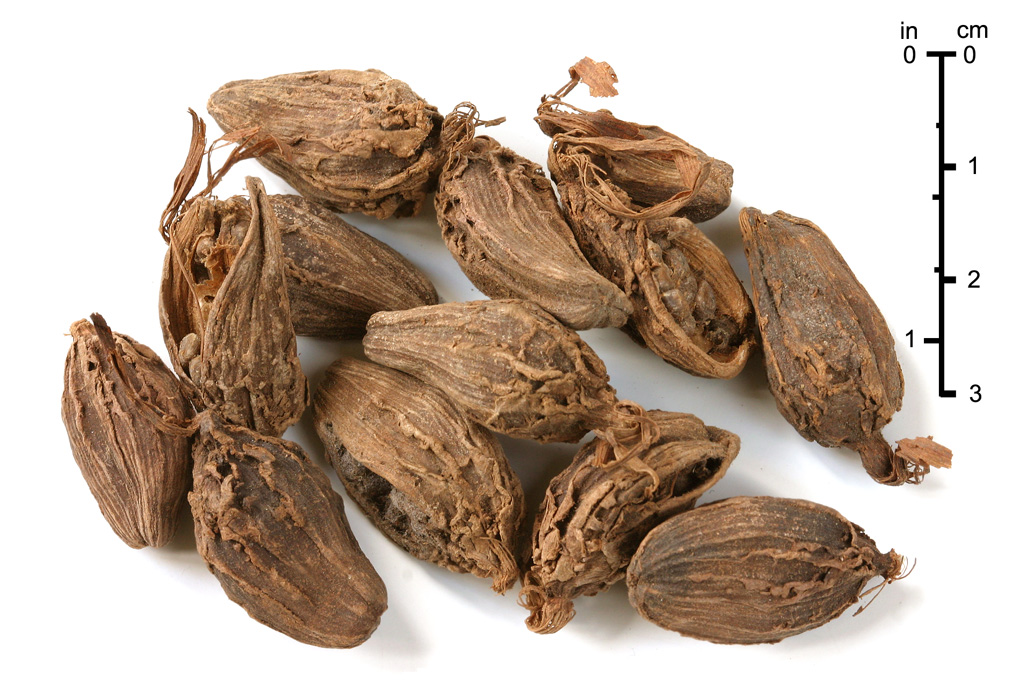
Black Cardamom
Amomum subulatum
☀️ Partial Shade 💧 High

Black Turmeric
Curcuma caesia
☀️ Partial Sun 💧 Moderate

Fingerroot
Boesenbergia rotunda
☀️ Partial Shade 💧 High

Ginger
Zingiber officinale
☀️ Partial Sun 💧 Moderate

Grains of Paradise
Aframomum melegueta
☀️ Partial Shade 💧 High
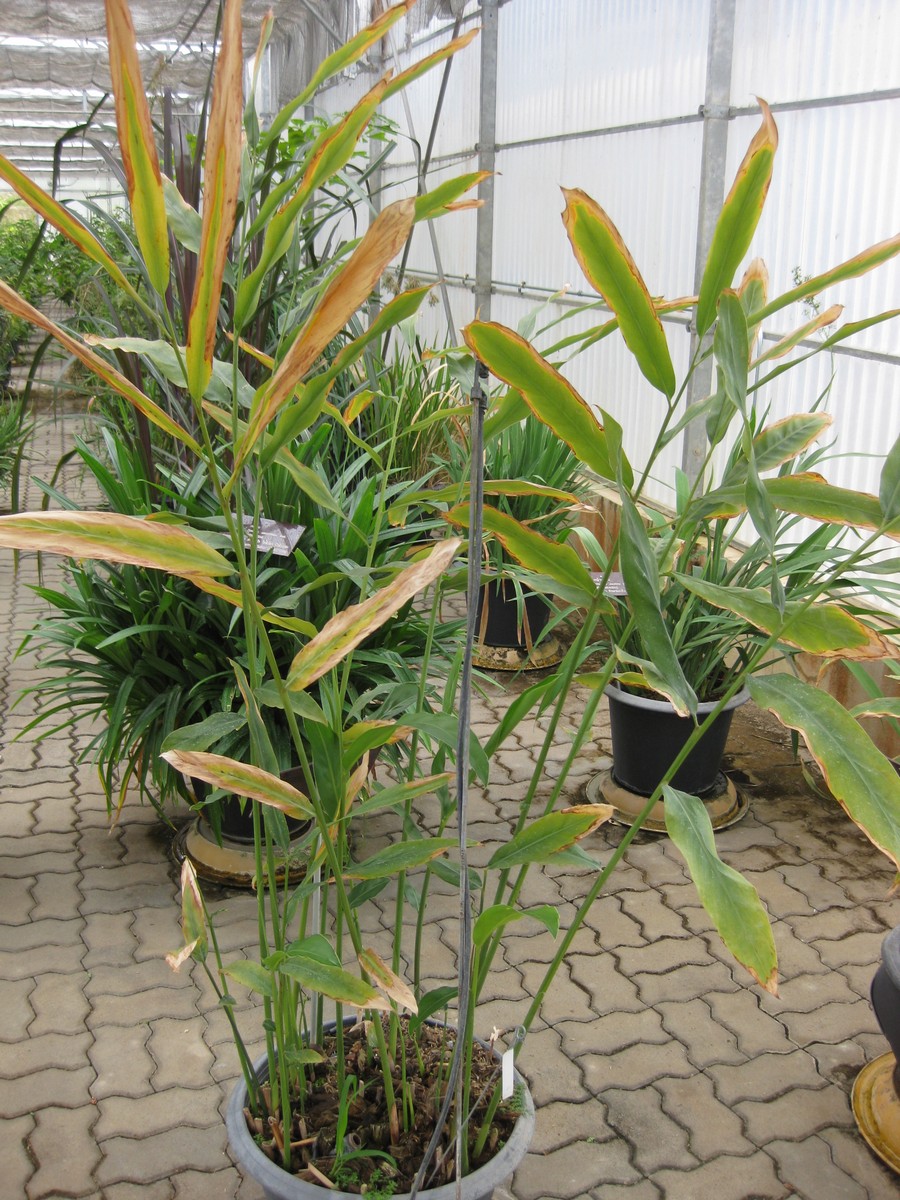
Greater Galangal
Alpinia galanga
☀️ Partial Sun 💧 High

Green Cardamom
Elettaria cardamomum
☀️ Partial Shade 💧 High

Kahili Ginger
Hedychium gardnerianum
☀️ Partial Sun 💧 High

Red Ginger
Alpinia purpurata
☀️ Partial Sun 💧 High
Shampoo Ginger
Zingiber zerumbet
☀️ Partial Shade 💧 High
Shell Ginger
Alpinia zerumbet
☀️ Bright Indirect 💧 High
Torch Ginger
Etlingera elatior
☀️ Full Sun 💧 High

Turmeric
Curcuma longa
☀️ Full Sun 💧 High

White Ginger Lily
Hedychium coronarium
☀️ Partial Sun 💧 High
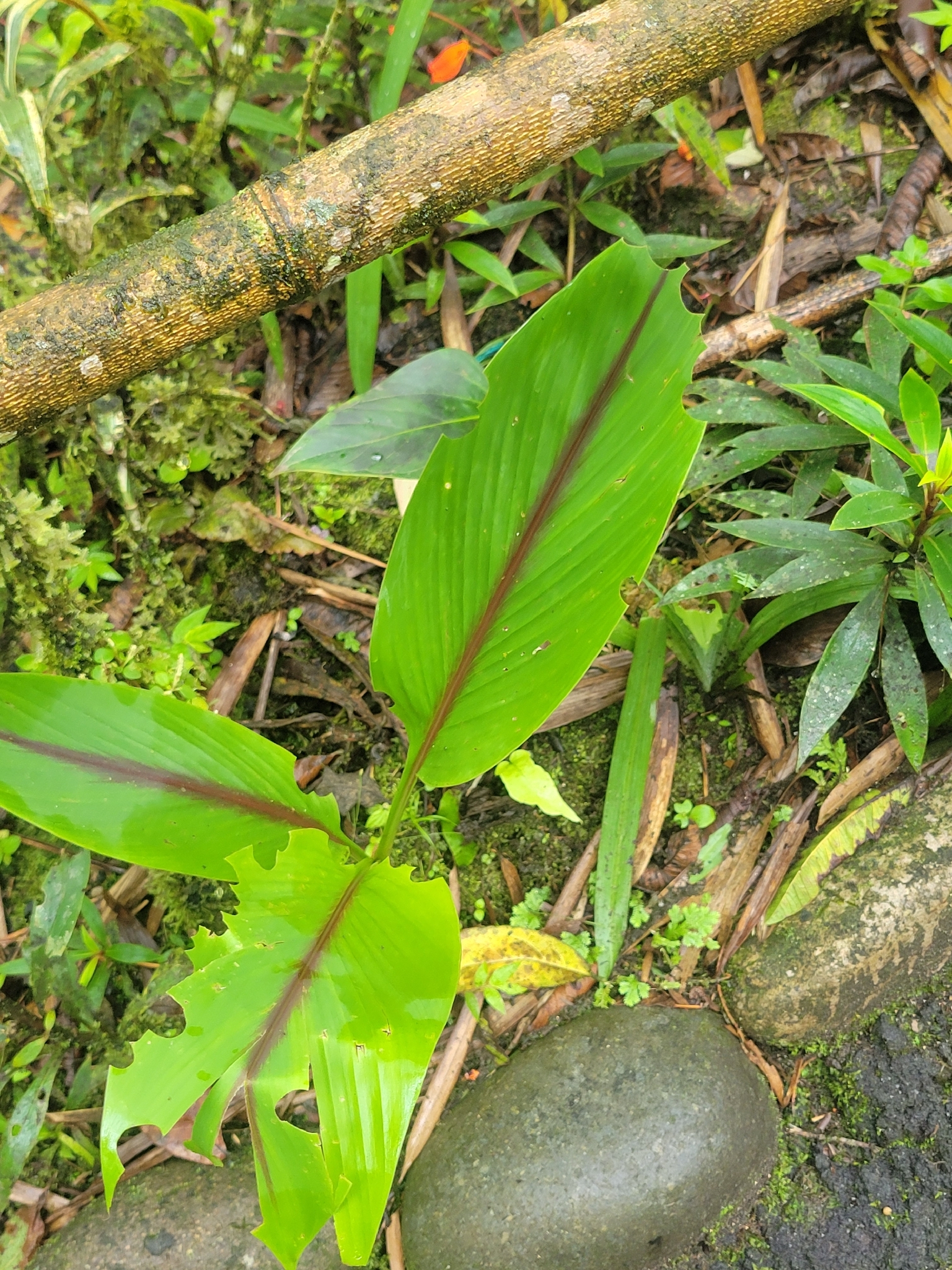
Zedoary
Curcuma zedoaria
☀️ Partial Sun 💧 High
Common Questions
How do you care for plants in the ginger family?
Provide plants in the Zingiberaceae family with bright, indirect light, rich organic soil, and ambient temperatures maintained above 18 °C (65 °F). Keep soil consistently damp throughout the spring and summer growing season, then reduce watering when foliage dies back during winter dormancy.
Are all Zingiberaceae family plants edible?
No, not all members of the Zingiberaceae family are edible. While well-known culinary spices like ginger and turmeric come from this family, several ornamental species like Kahili ginger (Hedychium gardnerianum) are grown exclusively for flowers and can cause stomach upset if consumed.
Can you grow Zingiberaceae rhizomes indoors?
Yes, you can grow ginger family rhizomes indoors by planting them 5 cm (2 inches) deep in a wide container filled with well-draining potting mix. Place the pot near a bright window that receives filtered sunlight and maintain ambient humidity above 50 percent using a humidifier.
How long does it take for Zingiberaceae crops to mature?
Most Zingiberaceae root crops require 8 to 10 months of warm weather from sprouting to full harvest. You can harvest young rhizomes after 5 to 6 months for a milder flavor and thinner skin.