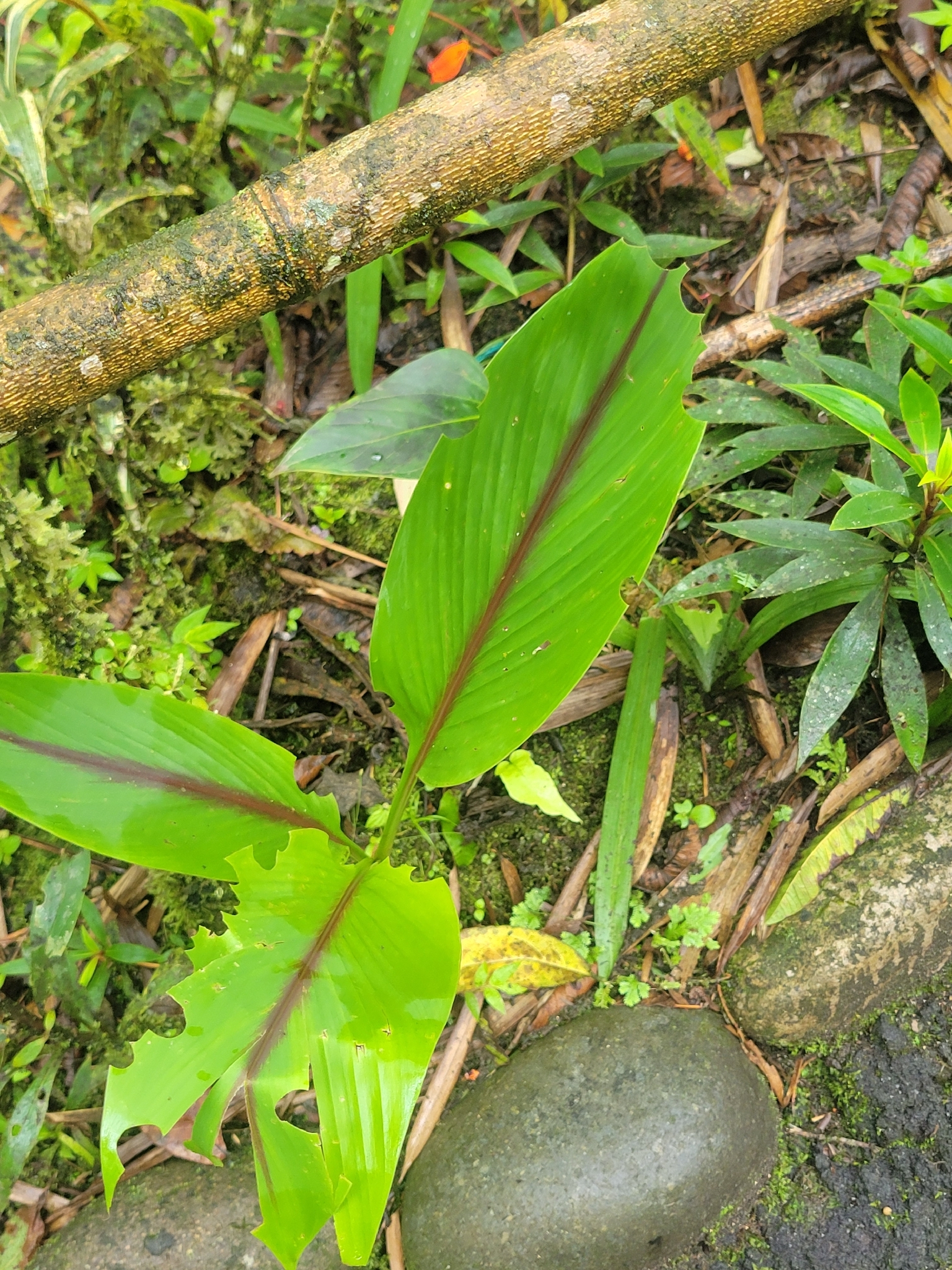
Turmeric, known botanically as Curcuma longa, is a rhizomatous herbaceous perennial belonging to the ginger family Zingiberaceae. Native to the Indian subcontinent and Southeast Asia, this crop requires warm conditions and high seasonal rainfall to produce its edible underground storage organs.
You grow turmeric primarily for its fleshy, aromatic rhizomes, which are harvested after the foliage dies back and used fresh, dried into powder, or processed for natural dye. Success depends on providing an uninterrupted frost-free growing season of 8 to 10 months.
Key Facts
- Type: Herbaceous perennial crop
- Harvest: 8-10 months after planting
- Temperature: 20-30 °C (68-86 °F)
- Soil: Rich, well-drained loam
- Water: High moisture during summer
Is Growing Turmeric Right for Your Garden?
Turmeric fits gardeners who live in warm climates with long, frost-free summers or those willing to start rhizomes indoors in large containers. You need at least 8 to 10 months of warm weather to successfully develop a mature crop of underground rhizomes. If your winters are cold, you must dig up the rhizomes before the first frost or grow them in pots that can move indoors.
- Requires a minimum frost-free period of 250 days to yield a worthwhile harvest.
- Thrives outdoors in USDA hardiness zones 8 through 11.
- Can be successfully grown in containers measuring at least 30 cm (12 inches) across.
Managing turmeric care involves maintaining high soil moisture during the active growing season while preventing waterlogged conditions that rot the roots. Gardeners use turmeric powder and fresh rhizomes for culinary dishes, and some utilize processed extracts for homemade turmeric oil or topical turmeric care scrubs.
What Does the Turmeric Plant Look Like?
Turmeric is a striking leafy plant that reaches a height of 60 to 100 cm (24 to 39 inches) at maturity. It produces large, oblong, bright green leaves that emerge directly from underground rhizomes in a structured, upright fan.
- Leaves grow up to 50 cm (20 inches) long with prominent parallel veins.
- Stems are formed by tightly overlapping leaf sheaths, similar to ginger (Zingiber officinale).
- Flowers appear in late summer as dense, cone-like spikes with pale yellow or pinkish bracts atop a central stalk.
- Underground rhizomes are branched, rough-skinned externally, and deep orange-yellow on the inside.
The lush tropical foliage makes the plant an attractive addition to ornamental borders or patio containers before it dies back in autumn. The underground tubers store the yellow compound curcumin, which gives both the interior flesh and processed turmeric powder their signature intense pigmentation.
Ideal Growing Conditions for Turmeric
Turmeric demands temperatures between 20 and 30 °C (68 to 86 °F) and high humidity to produce a heavy harvest. Plant your crops in a location that receives full sun to partial shade, ensuring they get at least 6 hours of direct light daily.
- Soil must be rich in organic matter with a slightly acidic pH between 6.0 and 6.5.
- Heavy clay soils cause stunted root growth and tuber rot, so amend native soil with compost and coarse sand.
- Air humidity should remain elevated; mist container-grown plants if indoor air is exceptionally dry.
Consistent warmth is the single most critical factor for sprouting. Rhizomes will remain dormant in cold spring soils, so avoid planting outdoors until soil temperatures reliably exceed 18 °C (64 °F).
How to Plant Turmeric Rhizomes
Plant your turmeric pieces in spring after all danger of frost has passed and soil has warmed. Bury seed rhizomes 5 to 7 cm (2 to 3 inches) deep with the growth buds pointing upward.
- Select firm, plump rhizome sections weighing roughly 30 to 50 g (1 to 2 oz) with at least two visible buds.
- Space individual rhizome pieces 30 cm (12 inches) apart in rows to allow adequate room for lateral tuber expansion.
- Water the planting bed thoroughly after placement to settle the soil around the tubers.
If you live in a cooler region, start your rhizomes indoors in pots during late winter. Move the containers outside onto a sunny patio once warm summer weather arrives permanently.
Watering and Feeding Schedule
Turmeric requires a high volume of water during its active growing phase from late spring through summer. Keep the soil consistently moist but never allow it to become waterlogged or swampy.
- Water deeply once a week during dry spells, increasing frequency during peak summer heat waves.
- Apply a balanced organic fertilizer or a high-nitrogen compost tea every 4 weeks to fuel leafy top growth.
- Reduce watering significantly in autumn as leaves begin to yellow and dry out naturally.
Providing adequate moisture during the monsoon or peak heat season ensures thick, plump rhizomes. Neglecting hydration stalls tuber development and results in stringy, low-yielding roots.
When and How to Harvest Turmeric
Harvest your turmeric crop 8 to 10 months after planting, typically in late autumn when the foliage turns yellow and dies back to the ground. Carefully dig around the root clump with a garden fork to lift the entire root system without slicing the tubers.
- Cut away the green stems about 2.5 cm (1 inch) above the main root cluster.
- Brush off excess soil gently and wash the rhizomes in cool water.
- Save the healthiest, plumpest finger rhizomes to replant next spring.
Once harvested, you can use fresh rhizomes immediately in cooking, or boil them for 45 minutes before drying and grinding into standard turmeric powder. Store leftover fresh roots in a cool, dark pantry or freeze them for long-term preservation.
Troubleshooting Common Turmeric Problems
Turmeric is relatively tough, but poor drainage or sudden temperature drops can cause stress symptoms. Yellow lower leaves combined with soft stems almost always indicate root rot caused by overwatering.
- Symptom: Stunted growth and yellowing leaves. Cause: Soil temperature too low or insufficient sunlight. Fix: Move container plants to a warmer, brighter spot.
- Symptom: Brown, crispy leaf tips. Cause: Low humidity or underwatering during hot weeks. Fix: Increase watering frequency and mist surrounding air.
- Symptom: Mushy base and foul odor. Cause: Pythium or Fusarium fungal rot in heavy, wet soil. Fix: Discard infected tubers and improve drainage immediately.
Inspect your plants regularly for spider mites and scale insects if you keep them in protected indoor spaces. Wipe foliage down with insecticidal soap at the first sign of pests.
Storage and Kitchen Uses for Turmeric
Fresh turmeric stores for up to 3 weeks in the refrigerator crisper drawer or for several months in the freezer. Dry ground turmeric powder retains its flavor compounds best when kept in an airtight, opaque glass container away from direct light.
- Slice or grate fresh roots into curries, soups, rice dishes, and warm plant-based milks.
- Incorporate turmeric 1000 mg supplements or culinary doses into daily wellness routines as part of traditional herbal practices.
- Use fresh juice or powdered extracts to create natural yellow dyes for fabrics and traditional crafts like sun printing and anthotypes.
Turmeric has a warm, earthy, slightly bitter flavor profile that pairs well with black pepper, ginger (Zingiber officinale), and cumin (Cuminum cyminum). Piperine found in black pepper significantly enhances the absorption of active curcumin compounds in the body.
Turmeric Through the Seasons
| Spring | Plant sprouted rhizomes 5 cm (2 inches) deep in rich, warm soil after all frost risk has passed. Water lightly until shoots break the surface. |
|---|---|
| Summer | Provide regular deep watering and apply an organic liquid fertilizer every 4 weeks. Ensure full sun exposure and monitor for adequate humidity. |
| Autumn | Reduce watering as foliage yellows and dies back naturally. Harvest mature rhizomes once the top growth has completely withered. |
| Winter | Store harvested dry rhizomes in a cool, dark, frost-free location. Keep potted indoor plants dry and dormant until spring warmth returns. |
Turmeric Leaf and Rhizome Problems Explained
| What you see | Likely cause | What to do |
|---|---|---|
| Yellowing leaves in mid-summer | Overwatering or poor drainage | Let the top 3 cm (1 inch) of soil dry out between watering sessions and check pot drainage holes. |
| No shoots emerging after 6 weeks | Soil temperature too cold | Move the container to a warmer spot or use a heating mat to elevate soil temperature above 20 °C (68 °F). |
| Brown, dry leaf margins | Low humidity or underwatering | Increase watering amounts and mist the foliage regularly if grown in a dry indoor environment. |
Popular Turmeric Cultivars Compared
- ‘Alleppey’ – high curcumin content and deep orange color
- ‘Madras’ – bright yellow flesh and strong aroma
- ‘Suguna’ – high-yielding selection developed for commercial farming
- ‘Roma’ – disease-resistant cultivar with smooth rhizome skin
Frequently Asked Questions
How do you make turmeric powder at home?
Boil harvested fresh turmeric rhizomes for 45 minutes until tender, dry them in a dehydrator or under the sun for several days, and grind them into a fine powder.
Can you grow turmeric indoors as a houseplant?
Yes, you can grow turmeric indoors in a large pot placed in a bright, south-facing window, provided you maintain high indoor humidity and warmth.
How long does turmeric take to grow from root to harvest?
Turmeric takes roughly 8 to 10 months from the initial spring planting date until the autumn harvest when leaves turn yellow and dry out.
Is turmeric safe for dogs and cats?
Yes, turmeric is completely non-toxic to dogs and cats, though excessive amounts can cause mild digestive upset in some pets.
What is the difference between turmeric and ginger?
Turmeric (Curcuma longa) belongs to the same plant family as ginger (Zingiber officinale), but produces brighter orange, earthy-tasting rhizomes containing curcumin, whereas ginger roots are pale yellow and zesty.
Information about traditional or historical uses is provided for educational interest only and is not medical advice. Do not use any plant to treat a condition without speaking to a qualified professional.
Sources & Verification
Taxonomy and distribution are checked against the databases below. Care guidance is written for cultivated species only and reviewed by our editor. How We Build Plant Profiles →