
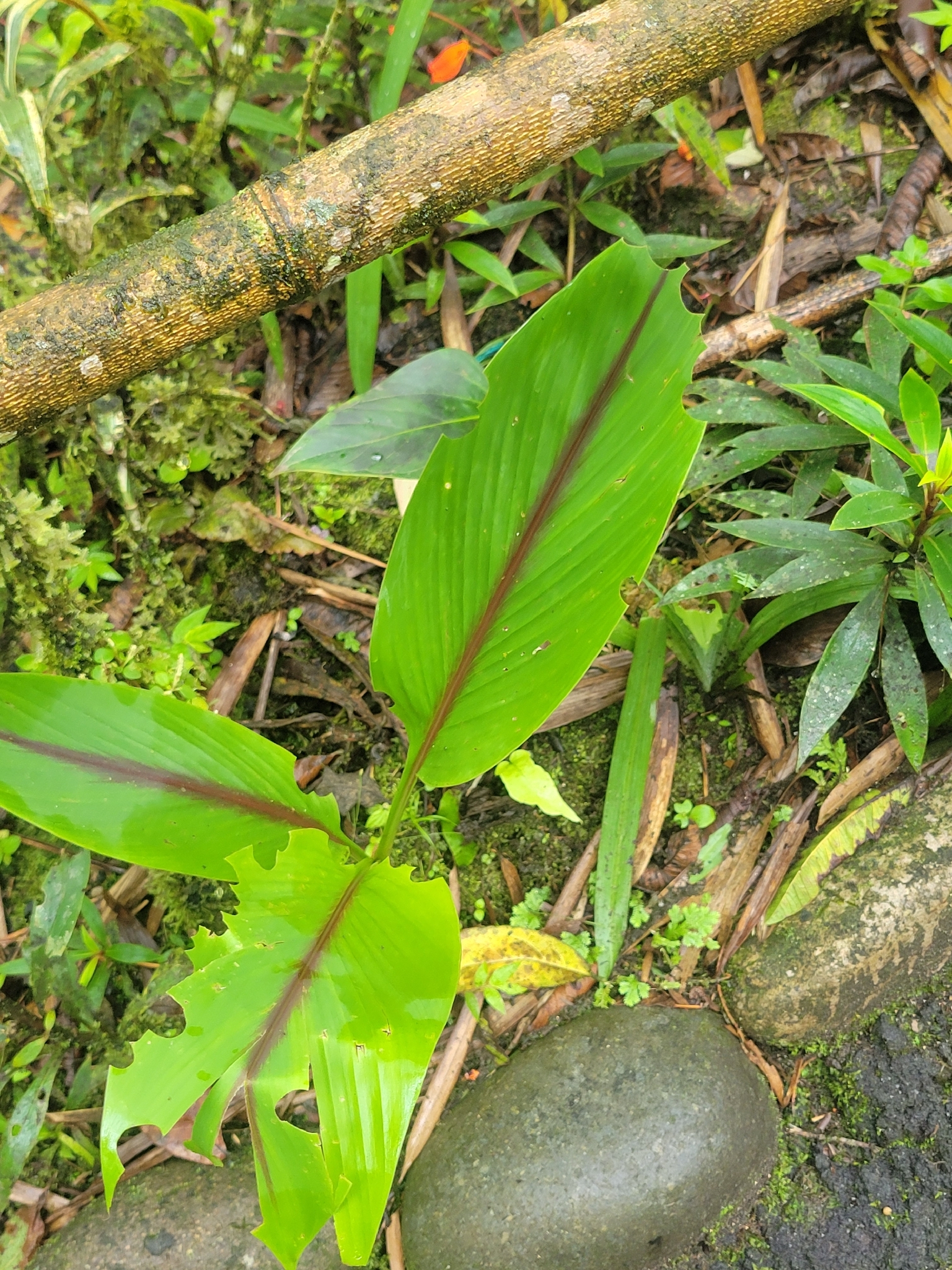
Zedoary (Curcuma zedoaria) is a rhizomatous perennial herb in the ginger family, native to the tropical forests of South and Southeast Asia. It is distinguished by its large, fleshy underground tubers that have a pale yellow interior and a scent reminiscent of green mangoes.
You will find this plant naturalised in parts of Florida and across the Pacific Islands, where it was historically spread by Austronesian explorers. It requires a much longer growing season than common ginger and produces striking purple-veined leaves that can reach over a metre in height.
Key Facts
- Harvest Time: 9 months after planting rhizomes
- Temperature: Thrives between 20-30 °C (68-86 °F)
- Height: Reaches 1.2 m (4 ft) at maturity
- Hardiness: USDA zones 9b to 11
- Light: Full sun to dappled partial shade
Growing Zedoary in Your Garden
Growing Zedoary requires a nine-month frost-free season to produce high-quality rhizomes for harvest. You should choose this plant if you live in a tropical or subtropical climate, or if you have a greenhouse large enough to maintain 20-30 °C (68-86 °F) temperatures during the peak summer months. It occupies a middle ground between an ornamental flower and a functional spice crop, often used in landscaping for its lush foliage.
Unlike common ginger, Zedoary goes completely dormant in winter, losing all its foliage as the temperatures drop. This makes it suitable for gardeners who want a low-maintenance plant during the colder months, provided the soil is kept dry. You must ensure the soil is rich in organic matter to support the heavy feeding requirements of the developing tubers.
- Best for USDA zones 9b to 11.
- Requires a minimum of 180 to 270 days to mature.
- Suits large containers or raised beds with deep soil.
- Provides tropical foliage and edible roots in one plant.
Identifying Zedoary Leaves and Roots
The most reliable way to identify Zedoary is the dark purple or brownish-red stripe that runs down the centre of each leaf blade. The leaves are oblong, reaching lengths of 30-60 cm (12-24 in), and emerge from a central pseudostem. In early spring, the plant often produces a flower spike before the leaves appear, featuring white or yellow florets protected by bright pink or purple bracts.
Underground, the rhizomes are large and branched, often referred to as ‘zedoary root’ in markets. When cut open, the flesh is pale yellow or nearly white, which distinguishes it from the bright orange of common turmeric. The skin of the rhizome is thin and light brown, often covered in small circular scars from previous root growth.
- Leaf stripe: Distinct purple midrib on the upper surface.
- Flower spike: 15-20 cm (6-8 in) tall with pink-tipped bracts.
- Rhizome scent: Smells like green mango and camphor.
- Root colour: Pale yellow to cream-white interior.
Ideal Growing Conditions for Zedoary Turmeric
Zedoary thrives in warm, humid environments with temperatures consistently above 18 °C (65 °F). While it can tolerate full sun in humid regions, it performs best with light afternoon shade to prevent the large leaves from scorching. In its native South Asian habitat, it grows in the filtered light of forest edges where the soil is constantly replenished by leaf litter.
Humidity is a major factor in foliage health; if the air is too dry, the leaf edges will turn brown and brittle. You should aim for a humidity level of at least 60% during the active growing season. The soil must be loose and friable to allow the rhizomes to expand without resistance, as heavy clay will stunt the harvest and lead to misshapen roots.
- Temperature: 20-30 °C (68-86 °F) is optimal for growth.
- Light: 4-6 hours of direct sun or bright dappled light.
- Humidity: High humidity (60%+) prevents leaf tip burn.
- Soil: Sandy loam with a high percentage of compost.
Planting and Sowing Zedoary Rhizomes
You should plant Zedoary rhizomes 5-10 cm (2-4 in) deep in late winter or early spring as soon as the soil warms. Space the rhizome pieces approximately 30 cm (12 in) apart to allow the large leaves room to spread. Each piece of rhizome used for planting must have at least two or three ‘eyes’ or growth buds to ensure a successful sprout.
If you are growing in a cooler climate, start the rhizomes indoors in pots 4-6 weeks before the last frost date. Use a heat mat to keep the soil at 21 °C (70 °F), as they will sit dormant and potentially rot in cold, wet soil. Once the soil temperature outdoors reaches a steady 15 °C (60 °F), you can transplant them into their permanent garden beds.
- Planting depth: 5-10 cm (2-4 in).
- Spacing: 30 cm (12 in) between plants.
- Orientation: Place rhizomes horizontally with buds facing up.
- Initial watering: Water sparingly until the first shoots emerge.
Watering and Feeding White Turmeric
Zedoary requires consistent moisture throughout the summer, roughly 2.5 cm (1 in) of water per week. The soil should feel like a wrung-out sponge; never allow it to dry out completely while the leaves are active. However, once the plant begins to yellow in autumn, you must reduce watering significantly to prepare the rhizomes for dormancy.
As a heavy feeder, this plant benefits from monthly applications of a balanced liquid fertilizer or a top-dressing of aged manure. Use a 10-10-10 NPK ratio during the early growth phase to support foliage, then switch to a higher potassium fertilizer in late summer to encourage rhizome development. Avoid high-nitrogen feeds late in the season, as this can lead to soft, rot-prone roots.
- Summer water: Keep soil consistently moist but not soggy.
- Winter water: Stop watering entirely when the plant is dormant.
- Fertilizer: Apply every 4 weeks during the growing season.
- Organic matter: Mulch with 5 cm (2 in) of compost in spring.
Harvesting and Processing Zedoary Root
The best time to harvest Zedoary is when the foliage turns brown and dies back, usually 9 months after planting. You can carefully dig up the entire clump with a garden fork, being careful not to pierce the large primary rhizomes. If you only need a small amount, you can ‘rob’ the plant by digging at the edges and snapping off small pieces while leaving the main plant intact.
Once harvested, shake off the excess soil and trim away the fibrous roots and any remaining stem bases. Wash the rhizomes thoroughly under running water to remove grit. If you intend to use it as a spice, the root is traditionally sliced thin and dried until brittle before being ground into a fine, pale powder known as ‘zedoary powder’.
- Harvest sign: Complete yellowing and collapse of leaves.
- Tool: Use a digging fork rather than a spade to avoid slicing roots.
- Yield: One mother rhizome can produce 500-800g of new roots.
- Cleaning: Soak for 10 minutes to loosen stubborn clay or soil.
Traditional Uses and Zedoary vs Turmeric
The primary difference between Zedoary and Turmeric (Curcuma longa) is the flesh colour and bitterness of the rhizome. While turmeric is famous for its deep orange interior and earthy flavour, Zedoary has a pale yellow centre with a much more pungent, bitter aftertaste. In the kitchen, Zedoary has a distinct aroma reminiscent of green mangoes or camphor, which is why it was a staple for ancient Austronesian explorers.
In cosmetics, the powdered root is traditionally used in ‘shat-kachora’ face powders and perfumes due to its musk-like scent. It was also historically used as a starch source, where the rhizomes were grated and washed to extract a fine flour. Today, it is more common in Indonesian spice pastes or pickled in Indian cuisine to cut through the bitterness.
- Zedoary: Bitter, white/light yellow flesh, mango-scented.
- Turmeric: Earthy, bright orange flesh, stains surfaces.
- Ginger (Zingiber officinale): Spicy, fibrous, lacks the musky scent.
- Cosmetic use: Traditionally added to skin treatments and soaps.
Common Pests and Growth Problems
The most frequent issue for Zedoary is rhizome rot, caused by poorly draining soil or overwatering during the winter dormancy. If the base of the plant feels mushy or smells foul, you must dig up the plant and remove any blackened sections immediately. To prevent this, always plant in raised beds or incorporate coarse sand into your garden soil.
Spider mites can become a problem if the humidity drops too low, appearing as fine webbing on the undersides of the large leaves. You may also notice leaf rollers or caterpillars chewing holes in the foliage during the peak of summer. These are usually manageable by hand-picking or using a strong blast of water to dislodge the insects.
- Rhizome rot: Caused by wet soil during winter dormancy.
- Spider mites: Indicated by yellow stippling on leaves.
- Leaf spot: Small brown circles caused by fungal pathogens.
- Stunted growth: Often due to soil temperatures below 15 °C (60 °F).
Storing and Preserving the Harvest
Fresh Zedoary rhizomes will stay firm for three to four weeks if stored in a cool, dark, and well-ventilated area. You should not wash the roots until you are ready to use them, as moisture on the skin encourages mould growth. For longer storage, you can bury the unwashed rhizomes in a box of dry sand or peat moss kept at roughly 10-15 °C (50-60 °F).
If you prefer to preserve the flavour for cooking, the rhizomes can be peeled, sliced, and frozen in airtight bags for up to six months. Alternatively, traditional processing involves boiling the roots for 45 minutes, then slicing and sun-drying them. This dried ‘zedoary root’ can then be ground into a powder that retains its potency for a year if kept in a sealed glass jar.
- Fresh storage: 3-4 weeks in a cool, dry cupboard.
- Sand storage: Keeps rhizomes viable for planting next spring.
- Freezing: Peel and slice before placing in freezer bags.
- Drying: Slice into 2 mm rounds and dry until they snap easily.
Year-Round Care for Zedoary
| Spring | Plant rhizomes 5-10 cm deep once soil reaches 15 °C (60 °F). Apply a 5 cm layer of compost and water sparingly until first shoots appear. |
|---|---|
| Summer | Water deeply twice a week to keep soil moist. Apply a balanced liquid fertilizer every 4 weeks and monitor for spider mites on leaf undersides. |
| Autumn | Stop fertilizing and reduce watering as leaves begin to yellow. Harvest the rhizomes once the foliage has completely died back to the ground. |
| Winter | Keep dormant rhizomes in the ground dry to prevent rot, or lift them and store in dry sand at 10-15 °C (50-60 °F) for spring replanting. |
Zedoary Growth Problems and Solutions
| What you see | Likely cause | What to do |
|---|---|---|
| Yellowing leaves in mid-summer | Underwatering or nutrient deficiency | Increase watering frequency and apply a balanced liquid fertilizer. |
| Mushy, foul-smelling rhizomes | Rhizome rot from waterlogged soil | Improve drainage with sand and stop watering during winter dormancy. |
| Brown, crispy leaf edges | Low humidity or wind burn | Mist the leaves regularly or move the plant to a more sheltered spot. |
| Failure to sprout in spring | Soil temperature too cold | Use a heat mat to bring soil to 21 °C (70 °F) to trigger growth. |
Common Zedoary Cultivars
- ‘Pink Wonder’ – features exceptionally bright pink bracts on the flower spike.
- ‘White’ – a cultivar with creamier, less bitter rhizome flesh.
- ‘Variegata’ – rare form with white streaks on the purple-veined leaves.
Frequently Asked Questions
How do you pronounce zedoary?
It is pronounced zed-oh-air-ee, with the emphasis on the first syllable.
What is the meaning of zedoary?
The name is derived from the Persian word 'zadwār', referring to the ancient trade of this root as a spice and medicine.
Is zedoary the same as turmeric?
No, while related, Zedoary has white/pale yellow flesh and a bitter, mango-like taste, whereas Turmeric (Curcuma longa) is bright orange and earthy.
What are the benefits of zedoary root?
Traditionally, it was used to aid digestion and reduce inflammation, and it is still used today in traditional Asian medicine and as a cosmetic skin treatment.
Can you grow zedoary in a pot?
Yes, it grows well in a large 20-30 litre (5-8 gallon) container provided it has plenty of drainage holes and rich potting mix.
Information about traditional or historical uses is provided for educational interest only and is not medical advice. Do not use any plant to treat a condition without speaking to a qualified professional.
Sources & Verification
Taxonomy and distribution are checked against the databases below. Care guidance is written for cultivated species only and reviewed by our editor. How We Build Plant Profiles →

