Rose Species and Varieties: the Rosa Genus Guide
29 plant profiles · Learn how to identify, grow, and care for wild rose species and cultivars in the genus Rosa, from rugosa to Banksian roses.
The genus Rosa includes over 300 species of woody perennial shrubs, scramblers, and climbers native primarily to temperate regions of the Northern Hemisphere. Members of this genus share alternate pinnate leaves, prickles along their stems, and flowers with five petals in wild forms or dozens in cultivated varieties. Most species produce hips, which are fleshy seed vessels containing 5 to 30 hard achenes that ripen to red, orange, or black in autumn.
Care requirements vary across the group, but most wild species and modern hybrids thrive in full sun with 6 or more hours of direct light daily and well-draining soil with a pH between 6.0 and 6.5. Wild native species such as the dog rose (Rosa canina), field rose (Rosa arvensis), and prickly rose (Rosa acicularis) resist common fungal diseases like black spot and rust without chemical sprays. In contrast, historical cultivated groups like the cabbage rose (Rosa centifolia) and damask rose (Rosa damascena) require regular annual pruning and shelter from heavy rain to prevent petal rot.
To choose the right species for your space, match the growth habit and cold hardiness to your site. Large climbing species like Lady Banks’ rose (Rosa banksiae) reach lengths of 6 to 12 m (20 to 40 ft) and thrive in USDA zones 7 through 11, whereas the rugosa rose (Rosa rugosa) tolerates saline coastal soils and winter temperatures down to -40 °C (-40 °F) in USDA zone 3. Fragrant species like eglantine (Rosa rubiginosa) feature foliage that releases an apple scent after rain, making them practical choices for hedgerows and living fences.
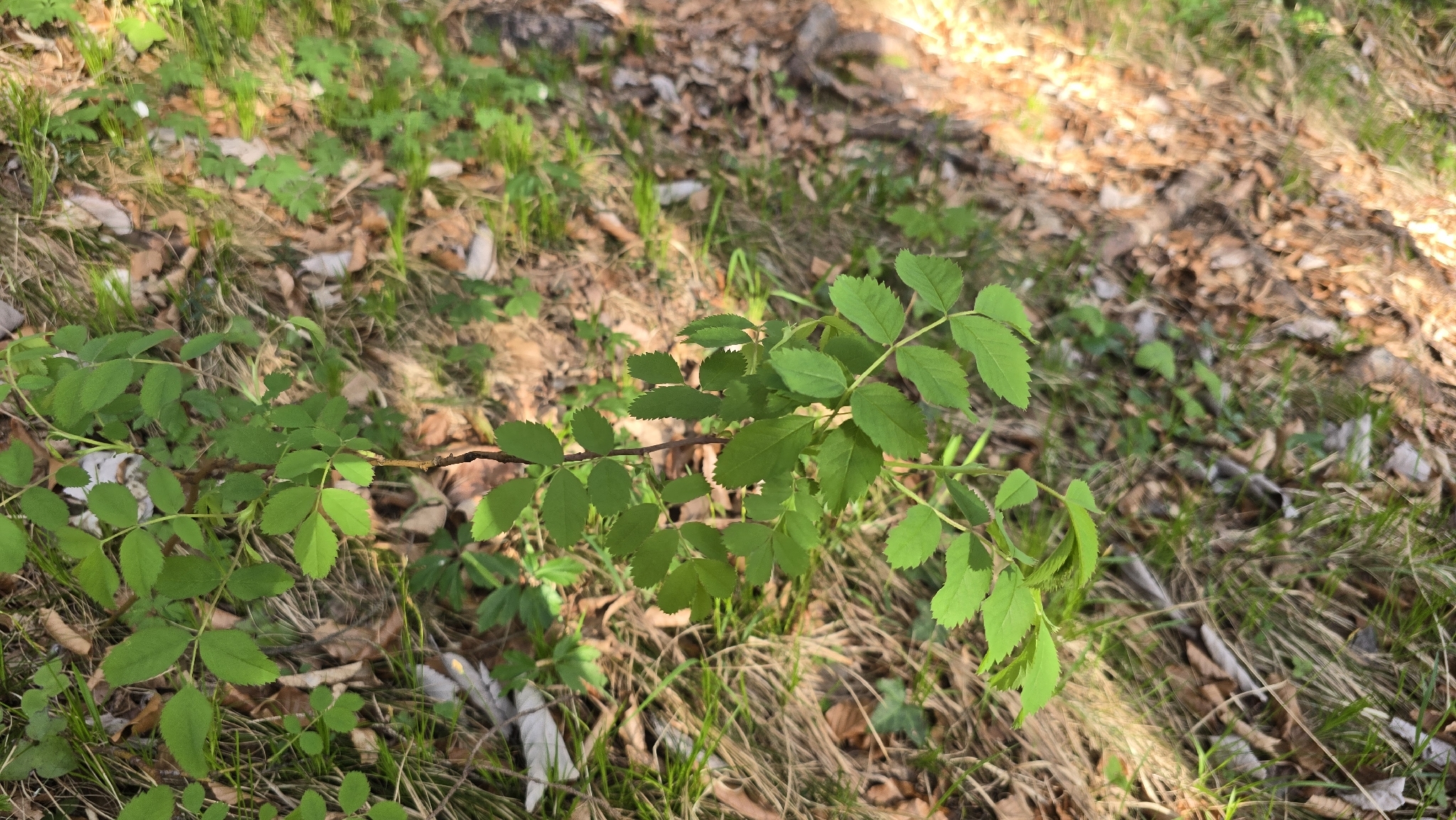
Alpine Rose
Rosa pendulina
☀️ Partial Sun 💧 Moderate

Apple Rose
Rosa villosa
☀️ Full Sun 💧 Moderate

Burnet Rose
Rosa spinosissima
☀️ Full Sun 💧 Low

Cabbage Rose
Rosa centifolia
☀️ Full Sun 💧 Moderate

Carolina Rose
Rosa carolina
☀️ Full Sun 💧 Moderate

Chestnut Rose
Rosa roxburghii
☀️ Full Sun 💧 Moderate

China Rose
Rosa chinensis
☀️ Full Sun 💧 Moderate

Cinnamon Rose
Rosa majalis
☀️ Full Sun 💧 Moderate
Corymb Rose
Rosa corymbifera
☀️ Full Sun 💧 Moderate

Damask Rose
Rosa damascena
☀️ Full Sun 💧 Moderate

Dog Rose
Rosa canina
☀️ Full Sun 💧 Low

Eglantine
Rosa rubiginosa

Field Rose
Rosa arvensis
☀️ Partial Shade 💧 Moderate

Gallic Rose
Rosa gallica
☀️ Full Sun 💧 Moderate
Glaucous Dog Rose
Rosa dumalis
Harsh Downy-Rose
Rosa tomentosa
☀️ Full Sun 💧 Moderate
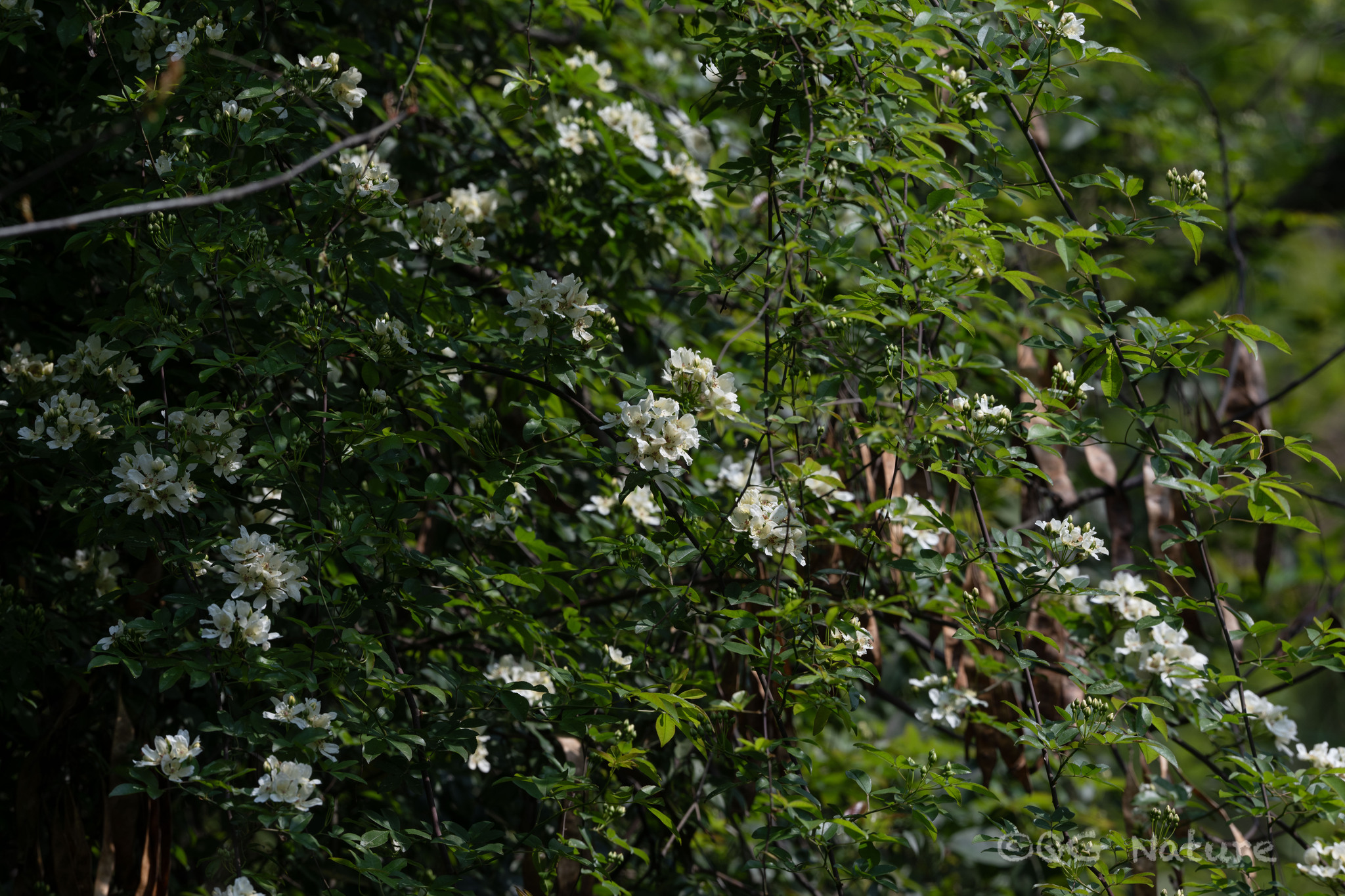
Lady Banks’ Rose
Rosa banksiae
☀️ Full Sun 💧 Moderate

Multiflora Rose
Rosa multiflora
☀️ Full Sun 💧 Moderate

Musk Rose
Rosa moschata
☀️ Full Sun 💧 Moderate

Northern Dog Rose
Rosa caesia
☀️ Full Sun 💧 Moderate

Northern Downy Rose
Rosa sherardii
☀️ Full Sun 💧 Moderate

Prairie Rose
Rosa setigera
☀️ Full Sun 💧 Moderate

Prickly Rose
Rosa acicularis
☀️ Full Sun 💧 Moderate
Redleaf Rose
Rosa glauca
☀️ Full Sun 💧 Moderate
Common Questions
How many hours of sun do wild and cultivated roses need?
Most species in the Rosa genus require at least 6 hours of direct sunlight daily to flower profusely and prevent foliar fungal infections.
Are rose hips from all species edible?
Yes, hips from all true Rosa species are non-toxic and edible, though you should remove the fine, irritating hairs inside the hip before consumption.
How do wild rose species differ from garden cultivars?
Wild rose species feature single flowers with 5 petals, produce viable seeds in autumn hips, and typically bloom once per season, whereas cultivars often feature double blooms and repeat flowering.
What soil pH is best for plants in the genus Rosa?
Plants in the genus Rosa perform best in slightly acidic to neutral soil with a pH between 6.0 and 6.5.