Plants Native to Central America
197 plant profiles · Learn how to care for plants native to Central America, from tropical frangipani to annual zinnias, including temperature, light, and soil needs.
Plants native to Central America originate from varied microclimates ranging from coastal rainforests to high-altitude mountain slopes. These species generally require sustained warmth, high light levels, and protection from frost, as few survive temperatures below 0 °C (32 °F). Mimicking their native wet and dry seasonal shifts is key to long-term success.
Choosing the right species depends on your regional climate and growing setup. Tropical fruiting trees such as soursop (Annona muricata) and climbing epiphytes like vanilla orchid (Vanilla planifolia) require sustained temperatures above 15 °C (60 °F) and high ambient humidity. Deciduous flowering shrubs like frangipani (Plumeria rubra) enter dormancy during cool dry periods, while annual flowers like common zinnia (Zinnia elegans) and garden cosmos (Cosmos bipinnatus) grow rapidly in temperate summer beds.
Tuberous species like sweet potato (Ipomoea batatas) perform best when soil temperatures remain above 21 °C (70 °F) during root establishment. Providing coarse, fast-draining soil prevents root rot across both wet-forest and dry-scrub species from this region.
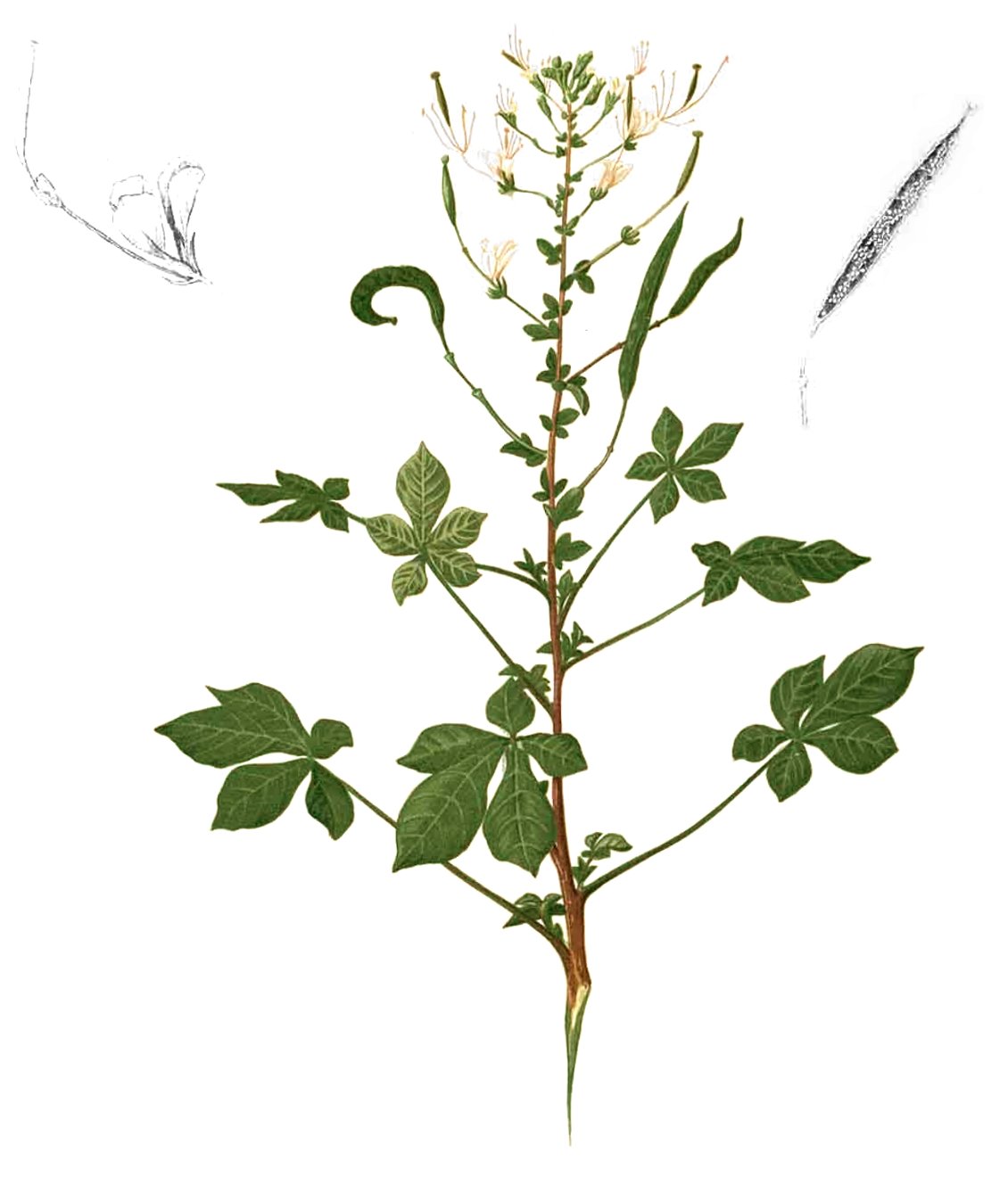
African Cabbage
Gynandropsis gynandra
☀️ Full Sun 💧 Moderate

African Marigold
Tagetes erecta
☀️ Full Sun 💧 Moderate

Air Plant
Tillandsia ionantha
☀️ Bright Indirect 💧 Low
Alligator Apple
Annona glabra
💧 High
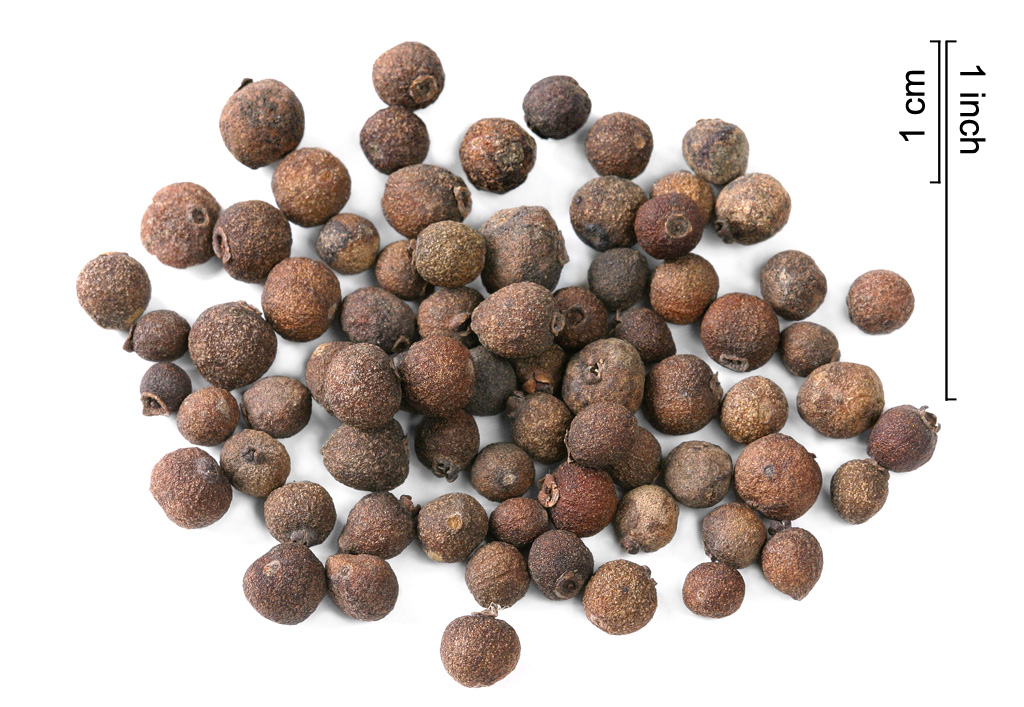
Allspice
Pimenta dioica
☀️ Full Sun 💧 Moderate

Amargo
Quassia amara
☀️ Partial Shade 💧 High
Amazon Frogbit
Hydrocharis laevigata
☀️ Bright Indirect 💧 Aquatic

American Coral Tree
Erythrina americana
☀️ Full Sun 💧 Low

American Mint
Mesosphaerum suaveolens
☀️ Full Sun 💧 Moderate

American Sicklepod
Senna obtusifolia
☀️ Full Sun 💧 Moderate

American White Waterlily
Nymphaea odorata
☀️ Full Sun 💧 Aquatic

Anamu
Petiveria alliacea

Anil Indigo
Indigofera suffruticosa
☀️ Full Sun 💧 Moderate

Annatto
Bixa orellana
☀️ Full Sun 💧 Moderate

Arrowhead Plant
Syngonium podophyllum
☀️ Bright Indirect 💧 Moderate

Arrowroot
Maranta arundinacea
☀️ Partial Shade 💧 High

Avocado
Persea americana
☀️ Full Sun 💧 Moderate
Baby Rubber Plant
Peperomia obtusifolia
☀️ Bright Indirect 💧 Moderate
Bahia Grass
Paspalum notatum
☀️ Full Sun 💧 Low

Balsa Tree
Ochroma pyramidale
☀️ Full Sun 💧 High
Bamboo Palm
Chamaedorea seifrizii
☀️ Bright Indirect 💧 Moderate
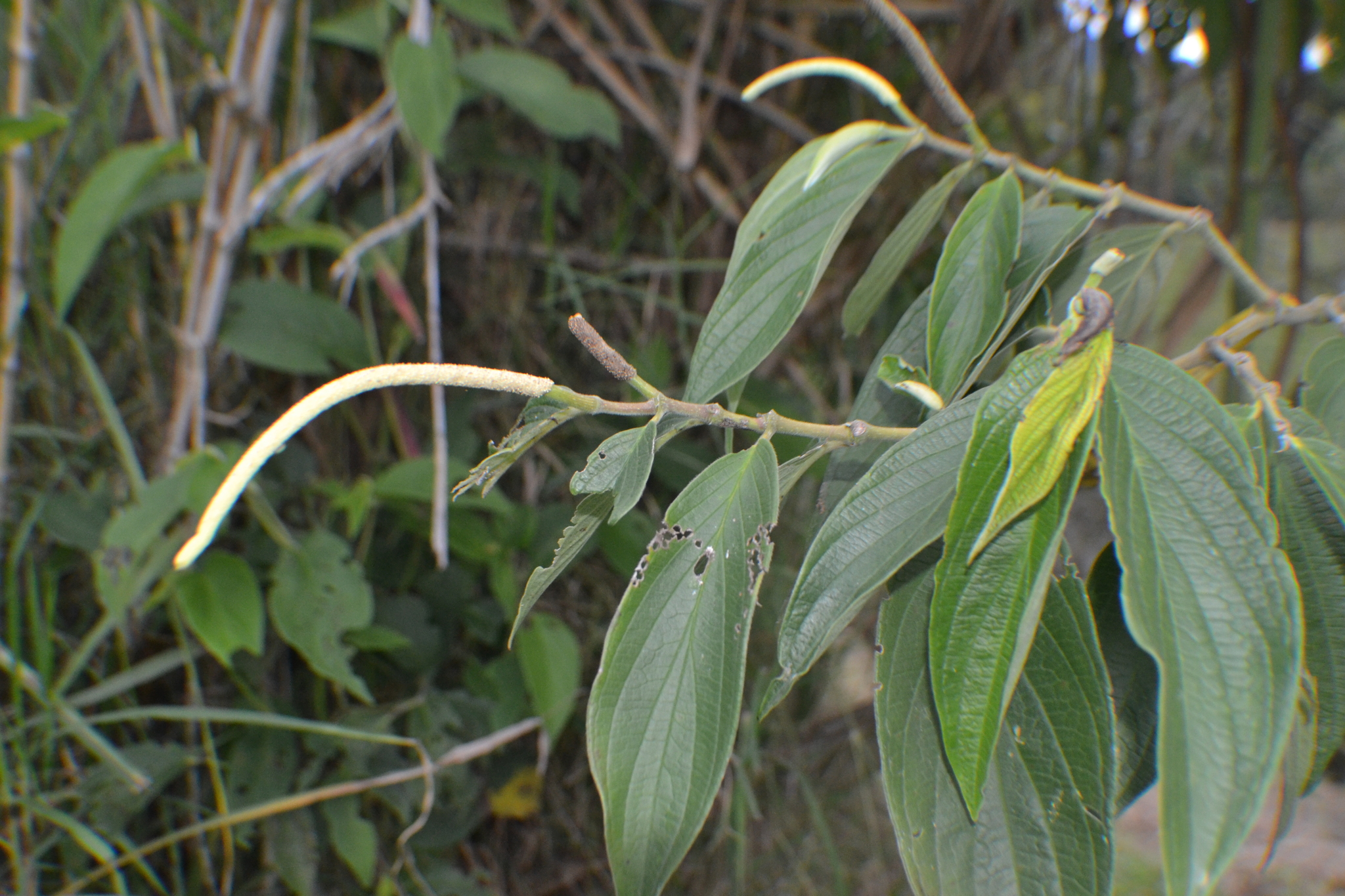
Bamboo Piper
Piper aduncum
☀️ Full Sun 💧 High
Barbados Gooseberry
Pereskia aculeata
☀️ Full Sun 💧 Moderate

Beach Spider Lily
Hymenocallis littoralis
☀️ Full Sun 💧 High
Common Questions
Can Central American plants survive frost?
Most Central American plants cannot survive temperatures below 0 °C (32 °F) without suffering severe leaf drop or root death. Protect perennial species by bringing them indoors before the first autumn freeze.
How much light do Central American native plants need?
Central American native plants require 6 to 8 hours of direct sunlight daily to produce flowers or fruit. Epiphytic species prefer bright, indirect light rather than scorching direct sun.
What soil mix works best for Central American plants?
A fast-draining soil mix with a pH between 6.0 and 7.0 suits most Central American species. Adding perlite or pumice improves aeration and prevents stagnant moisture around roots.