European Native Plants
458 plant profiles · Explore 261 plant species native to Europe, from wetland sedges to coastal shrubs. Learn growing conditions, light requirements, and soil needs.
European native plants span temperate maritime, continental, and Mediterranean climate zones, ranging from northern Scandinavian tundra to southern Iberian scrublands. Many species thrive in cool, moist winters with summer temperatures between 15-25 °C (59-77 °F). Damp lowlands host wetland species like bladder sedge (Carex vesicaria) and aquatic creepers like brooklime (Veronica beccabunga), while damp woodlands shelter shadier species like beech fern (Phegopteris connectilis).
When selecting European plants for your garden, consider soil moisture and light exposure. Coastal shrubs like sea buckthorn (Hippophae rhamnoides) fix nitrogen and tolerate salt spray, growing up to 6 m (20 ft) tall in full sun. For damp lawns or meadow borders, tufted hairgrass (Deschampsia cespitosa) provides structured foliage in USDA hardiness zones 4 through 9. Dry, sandy sites suit low-growing ground covers like smooth rupturewort (Herniaria glabra) or bulbous perennials like keeled garlic (Allium carinatum).
Matching native European species to your soil pH and moisture level ensures healthy growth without heavy irrigation. Acidic, mossy soils favor woodland flora, whereas alkaline chalk soils support grassland sedges like field wood-rush (Luzula campestris). Check individual species profiles to determine winter hardiness, spread rates, and light preferences.

Adder’s Tongue
Ophioglossum vulgatum
☀️ Partial Shade 💧 Moderate
Alder Buckthorn
Frangula alnus
☀️ Partial Sun 💧 Moderate
Alpine Aster
Aster alpinus
☀️ Full Sun 💧 Low
Alpine Bistort
Bistorta vivipara
☀️ Full Sun 💧 High

Alpine Blue Sow-Thistle
Cicerbita alpina

Alpine Currant
Ribes alpinum
☀️ Partial Shade 💧 Moderate

Alpine Lady’s Mantle
Alchemilla alpina
☀️ Full Sun 💧 Moderate

Alpine Meadow-Grass
Poa alpina
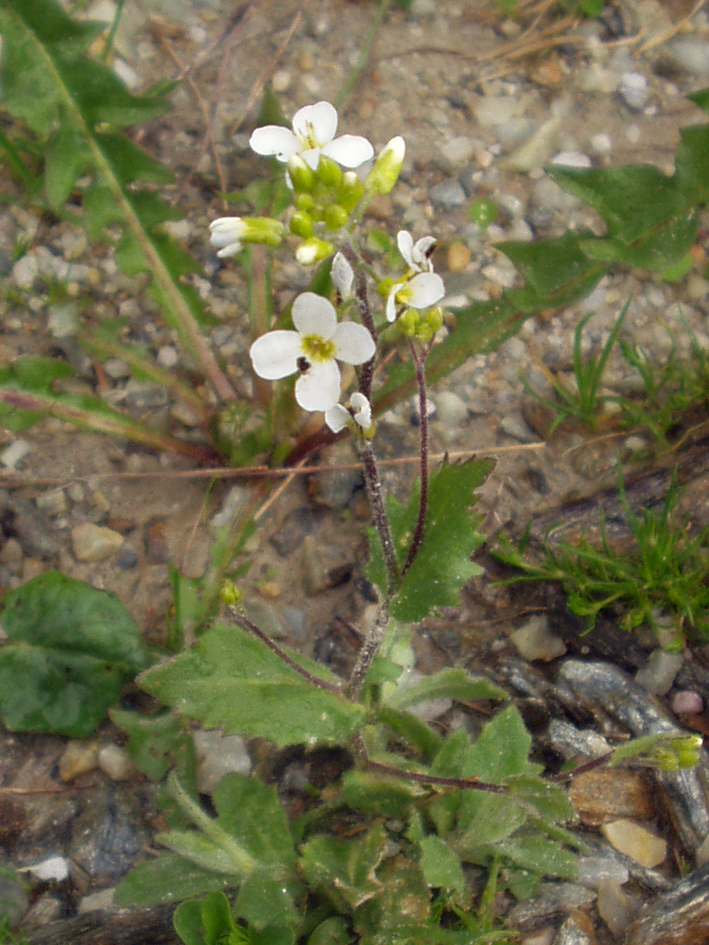
Alpine Rock-Cress
Arabis alpina
☀️ Full Sun 💧 Low
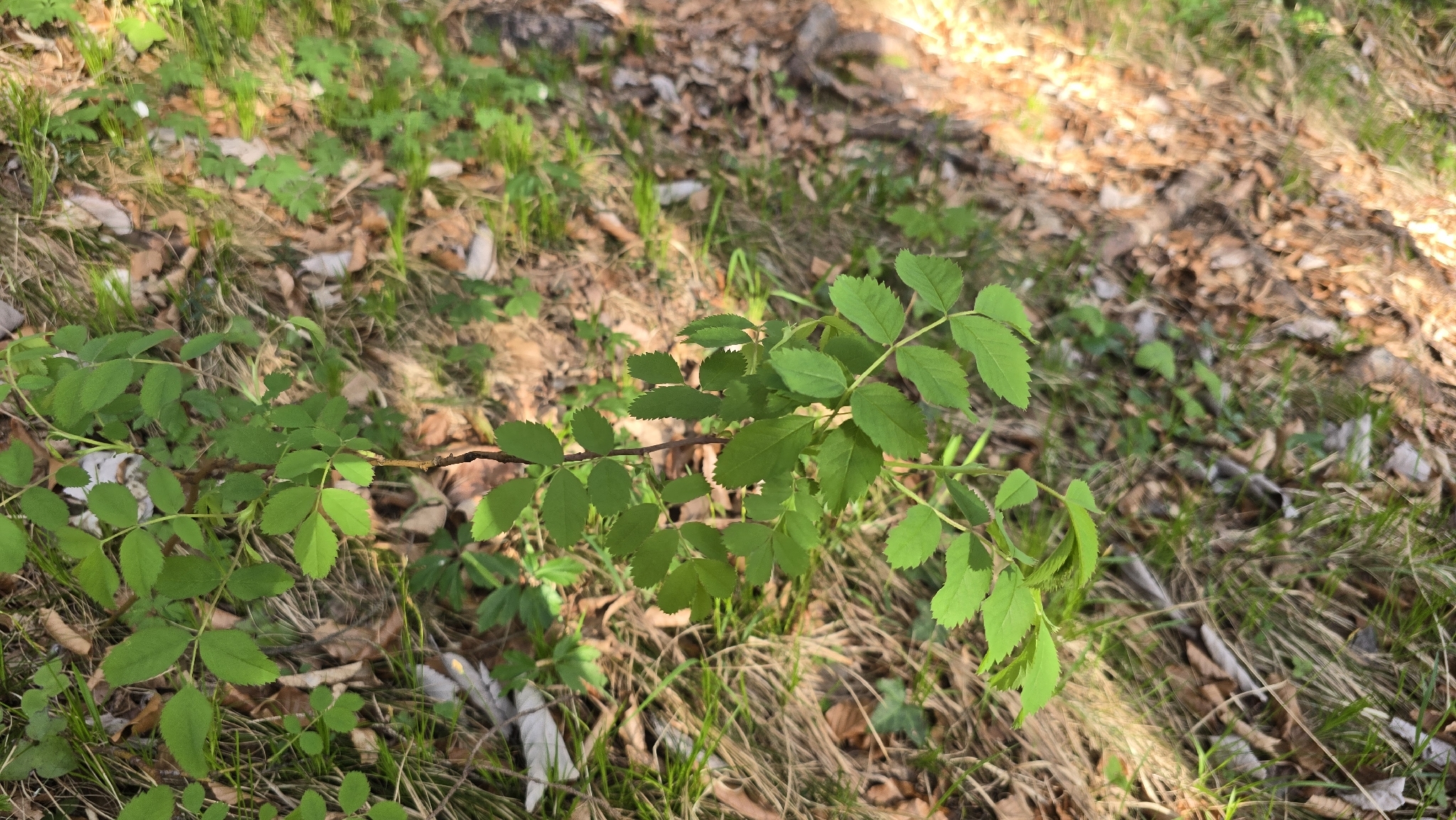
Alpine Rose
Rosa pendulina
☀️ Partial Sun 💧 Moderate
Angular Solomon’s Seal
Polygonatum odoratum
☀️ Partial Shade 💧 Moderate
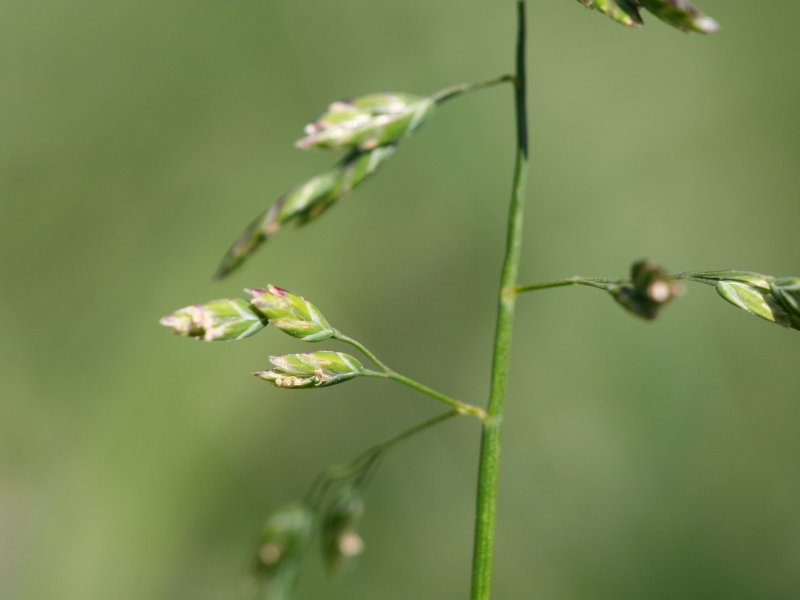
Annual Bluegrass
Poa annua

Annual Knawel
Scleranthus annuus
☀️ Full Sun 💧 Low
Annual Ryegrass
Lolium multiflorum
☀️ Full Sun 💧 Moderate

Annual Yellow Sweet Clover
Melilotus indicus
☀️ Full Sun 💧 Low

Apple Rose
Rosa villosa
☀️ Full Sun 💧 Moderate
Arctic Root
Rhodiola rosea
☀️ Full Sun 💧 Low

Arrowhead
Sagittaria sagittifolia
☀️ Full Sun 💧 High

Asarabacca
Asarum europaeum
☀️ Full Shade 💧 Moderate

Asparagus
Asparagus officinalis
☀️ Full Sun 💧 Moderate

Aspen
Populus tremula
☀️ Full Sun 💧 Moderate

Autumn Crocus
Colchicum autumnale
☀️ Full Sun 💧 Moderate

Autumn Lady’s-Tresses
Spiranthes spiralis
☀️ Full Sun 💧 Moderate

Baby’s Breath
Gypsophila paniculata
☀️ Full Sun 💧 Low
Common Questions
Which European native plants grow best in damp soil?
Bladder sedge (Carex vesicaria) and brooklime (Veronica beccabunga) thrive in wet or damp soil along pond edges and stream margins.
Are European native plants cold hardy?
Most European native plants tolerate cold temperatures down to -15 °C (5 °F) or lower, depending on their elevation and northern origin.
What European native plants work as ground cover?
Smooth rupturewort (Herniaria glabra) and field wood-rush (Luzula campestris) form low-growing mats suitable for pathways and lawn edges.