Plants Native to India
98 plant profiles · Discover plants native to India, from shade-loving aquatic herbs to giant canopy trees. Learn their light, soil, and climate requirements.
Plants native to India span tropical rain forests, arid plains, aquatic streams, and high Himalayan elevations. Choosing species from this region requires matching your indoor microclimate or outdoor USDA hardiness zone to their native habitat. Tropical species like the aquatic Java Fern (Leptochilus pteropus) and shrubby Jungle Geranium (Ixora coccinea) demand warmth above 15 °C (60 °F) and high ambient humidity, whereas temperate mountain species thrive in cooler outdoor zones.
For outdoor landscapes, large shade trees such as the Banyan (Ficus benghalensis) and Flame of the Forest (Butea monosperma) need substantial root space and full sunlight. High-altitude species like the Himalayan Horse-Chestnut (Aesculus indica) tolerate freezing temperatures down to -15 °C (5 °F) in USDA zone 7. Understorey rhizomes such as Black Turmeric (Curcuma caesia) require rich, well-draining soil with consistent moisture during active summer growth.
Select species based on available light, space, and winter temperature limits. Indoor growers with aquariums or warm terraria benefit from moisture-adapted species, while utility trees like Soapnut (Sapindus mukorossi) suit warm, frost-free outdoor gardens. Always verify whether a plant originates from the wet monsoon forests of the Western Ghats or the dry scrublands of the Deccan Plateau before setting a care schedule.

Arabian Jasmine
Jasminum sambac
☀️ Full Sun 💧 Moderate
Arjun Tree
Terminalia arjuna
☀️ Full Sun 💧 High

Aromatic Ginger
Kaempferia galanga
☀️ Partial Shade 💧 High

Ashoka Tree
Saraca asoca
☀️ Full Sun 💧 Moderate

Australian Pine
Casuarina equisetifolia
☀️ Full Sun 💧 Low

Avaram
Senna auriculata
☀️ Full Sun 💧 Low

Benguet Pine
Pinus kesiya
☀️ Full Sun 💧 Moderate

Bhutan Pine
Pinus wallichiana
☀️ Full Sun 💧 Low
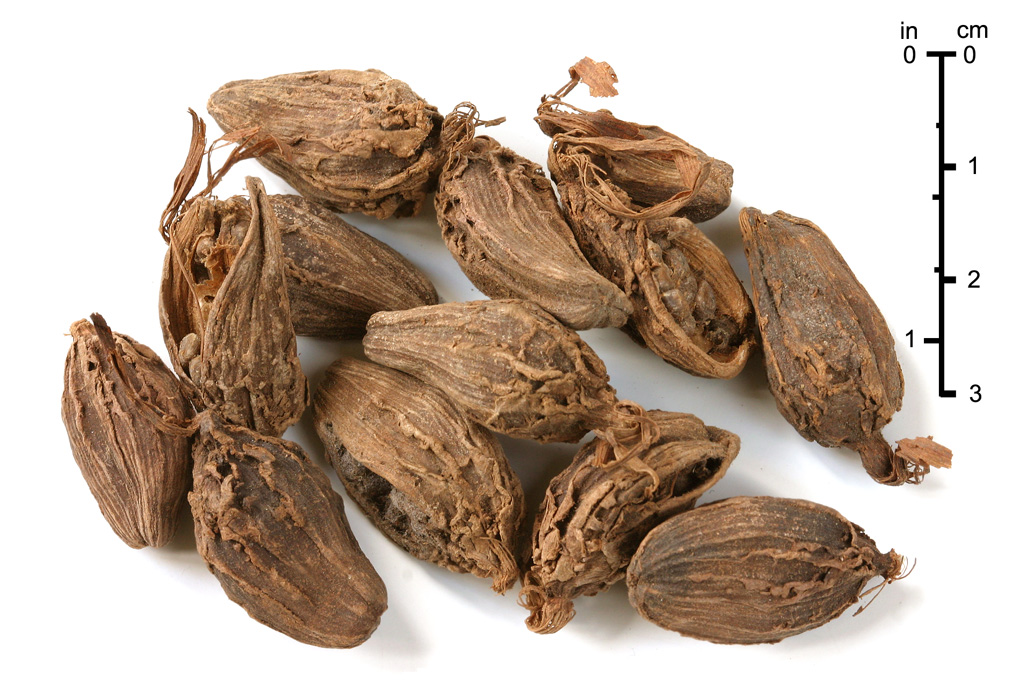
Black Cardamom
Amomum subulatum
☀️ Partial Shade 💧 High

Black Pepper
Piper nigrum
☀️ Partial Shade 💧 High

Black Turmeric
Curcuma caesia
☀️ Partial Sun 💧 Moderate
Blackberry Lily
Iris domestica
☀️ Full Sun 💧 Moderate

Blue Trumpet Vine
Thunbergia laurifolia
☀️ Full Sun 💧 Moderate

Bootlace Plant
Wikstroemia indica
☀️ Partial Sun 💧 Moderate
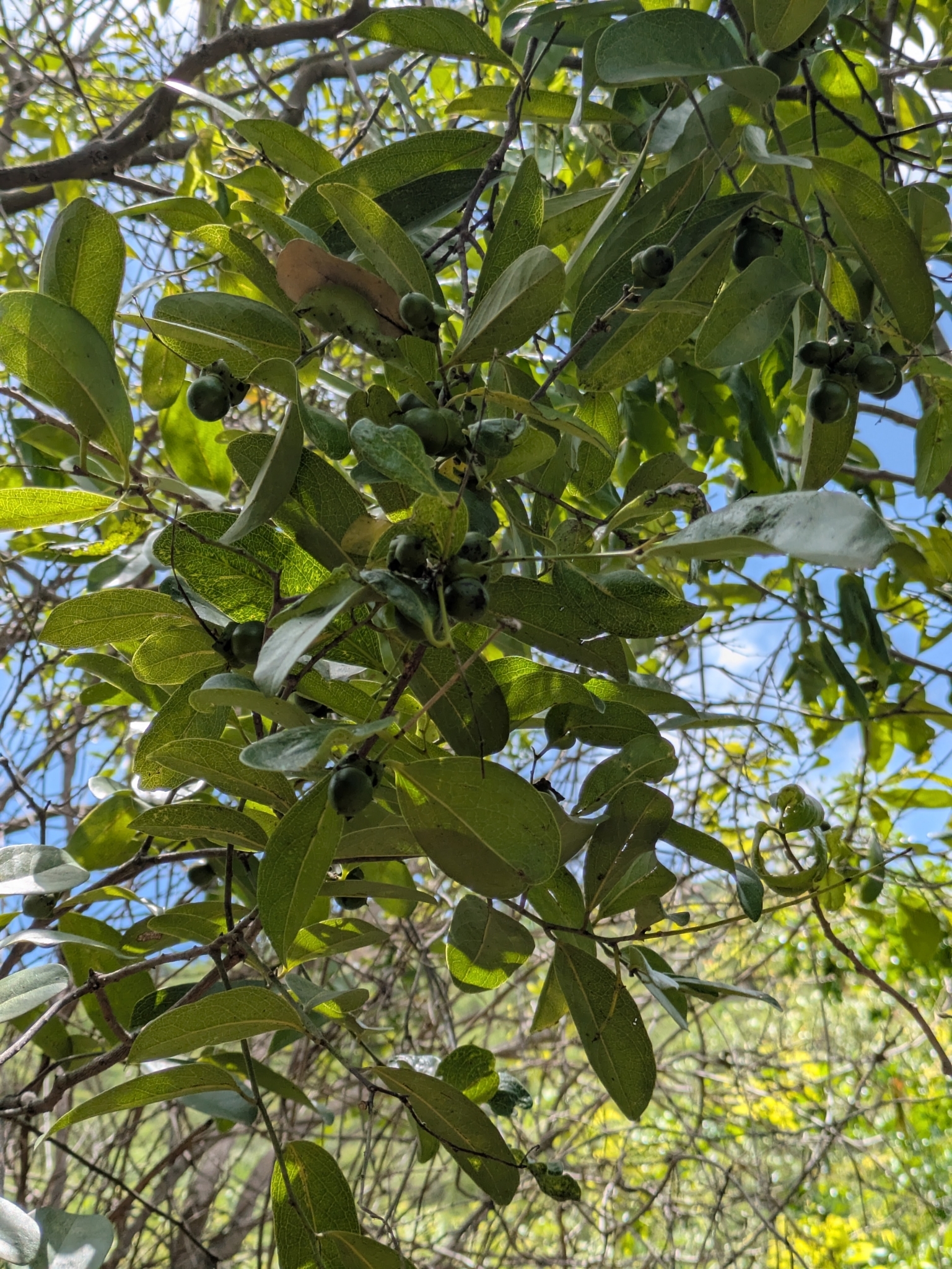
Ceylon Ebony
Diospyros ebenum
☀️ Full Sun 💧 Moderate

Ceylon Olive
Elaeocarpus serratus
☀️ Full Sun 💧 Moderate

Chilgoza Pine
Pinus gerardiana
☀️ Full Sun 💧 Low

Chir Pine
Pinus roxburghii
☀️ Full Sun 💧 Low
Citronella
Cymbopogon nardus
☀️ Full Sun 💧 High

Cliff Date Palm
Phoenix rupicola
☀️ Full Sun 💧 Moderate

Climbing Swamp Fern
Stenochlaena palustris
💧 High

Common Leucas
Leucas aspera

Corn Spurrey
Spergula arvensis
☀️ Full Sun 💧 Moderate

Cucumber
Cucumis sativus
☀️ Full Sun 💧 High
Common Questions
What climate do plants native to India prefer?
Most Indian native plants prefer warm temperatures between 18–35 °C (64–95 °F), though high-altitude species tolerate sub-zero winter frosts.
Can Indian native plants grow indoors?
Shade-tolerant tropical species such as Java Fern and young Jungle Geranium thrive indoors when provided with bright indirect light and humidity above 50%.
Which Indian native plants are cold hardy?
Himalayan species like the Himalayan Horse-Chestnut endure winter temperatures down to -15 °C (5 °F) in USDA zones 7 through 9.