Plants Native to Korea
120 plant profiles · A list of plants native to Korea, from trees and flowering shrubs to woodland perennials, each with identification notes, hardiness and growing needs.
The Korean Peninsula spans temperate climate zones ranging from USDA Hardiness Zone 5 in northern regions to Zone 9 along southern coasts and Jeju Island. Native Korean species experience four distinct seasons, including cold winters dropping below -15 °C (5 °F) and hot, wet summers driven by the East Asian monsoon. This seasonal cycle produces plants adapted to moist, well-draining soils, mandatory winter dormancy, and moderate to high humidity.
When selecting plants from this region, match your garden light conditions and space constraints to the plant's mature habit. Canopy trees like the Amur cork tree (Phellodendron amurense) and Japanese stewartia (Stewartia pseudocamellia) require full sun and up to 15 m (50 ft) of vertical clearance. Mid-story deciduous shrubs such as old-fashioned weigela (Weigela florida) and Asiatic dogwood (Cornus officinalis) thrive in mixed borders with partial afternoon shade. For ground cover or perennial beds, species like balloon flower (Platycodon grandiflorus) and showy stonecrop (Hylotelephium spectabile) offer drought tolerance once established.
Vertical structure and shade coverage can be added using native vines and coniferous evergreens. Chocolate vine (Akebia quinata) covers arbors quickly with semi-evergreen foliage in mild climates, while needle-leaf species like Japanese plum yew (Cephalotaxus harringtonia) provide year-round shade tolerance under dense tree canopies. Most Korean native plants prefer acidic to neutral soil with a pH between 5.5 and 6.8.

Aizoon Stonecrop
Phedimus aizoon
☀️ Full Sun 💧 Low

Amur Cork Tree
Phellodendron amurense
☀️ Full Sun 💧 Moderate
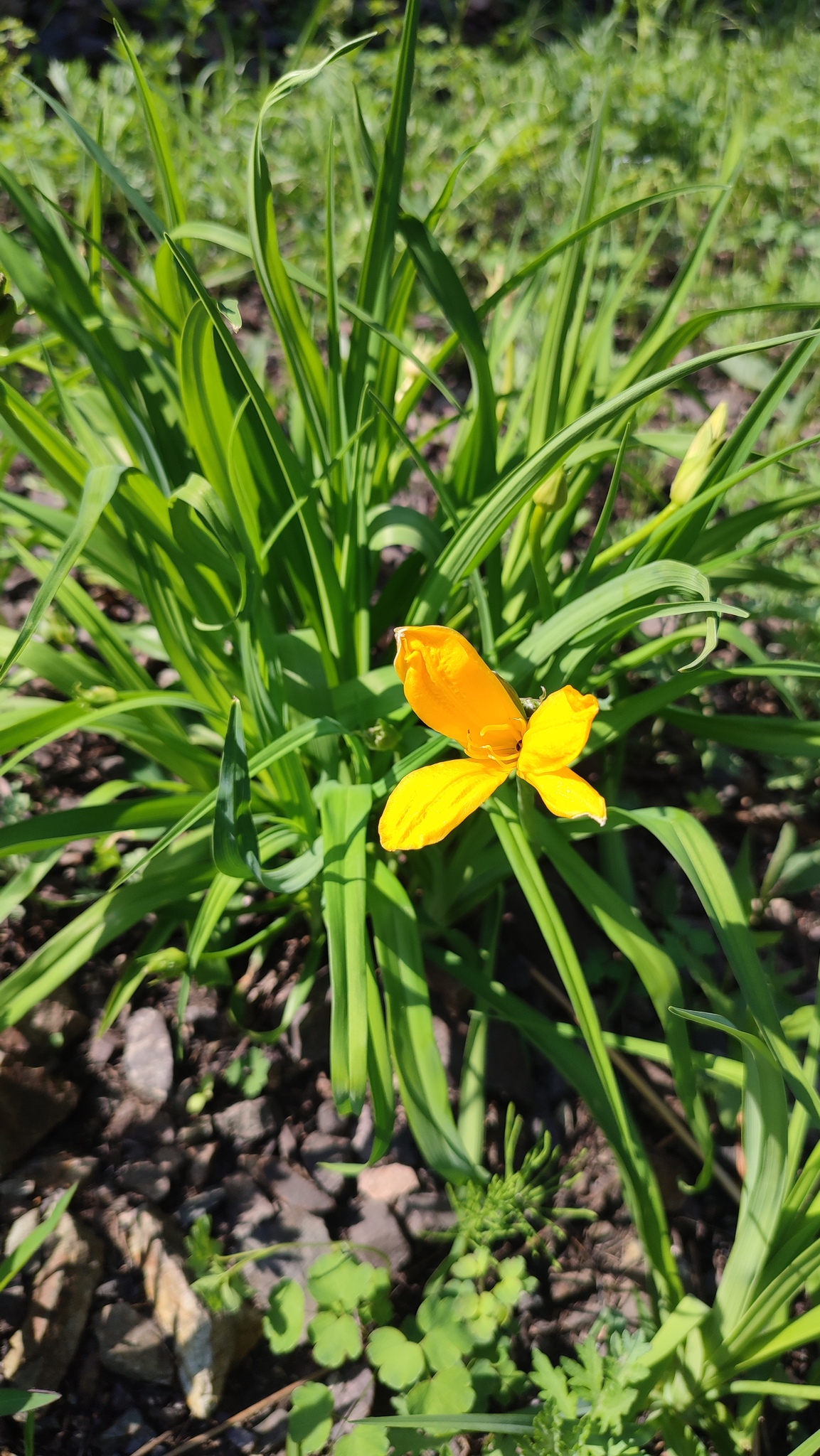
Amur Daylily
Hemerocallis middendorffii
☀️ Full Sun 💧 Moderate
Arctic Beauty Kiwi
Actinidia kolomikta
☀️ Partial Sun 💧 Moderate

Asian Pear
Pyrus pyrifolia
☀️ Full Sun 💧 Moderate

Asian Plantain
Plantago asiatica
☀️ Full Sun 💧 Moderate

Asiatic Dogwood
Cornus officinalis
☀️ Full Sun 💧 Moderate

Asiatic Sweetleaf
Symplocos paniculata
☀️ Full Sun 💧 Moderate

Australian Laurel
Pittosporum tobira
☀️ Full Sun 💧 Low
Autumn Fern
Dryopteris erythrosora
☀️ Partial Shade 💧 Moderate

Autumn Olive
Elaeagnus umbellata
☀️ Full Sun 💧 Low

Baikal Skullcap
Scutellaria baicalensis
☀️ Full Sun 💧 Low

Balloon Flower
Platycodon grandiflorus
☀️ Full Sun 💧 Moderate
Blackberry Lily
Iris domestica
☀️ Full Sun 💧 Moderate

Bleeding Heart
Lamprocapnos spectabilis
☀️ Partial Shade 💧 Moderate
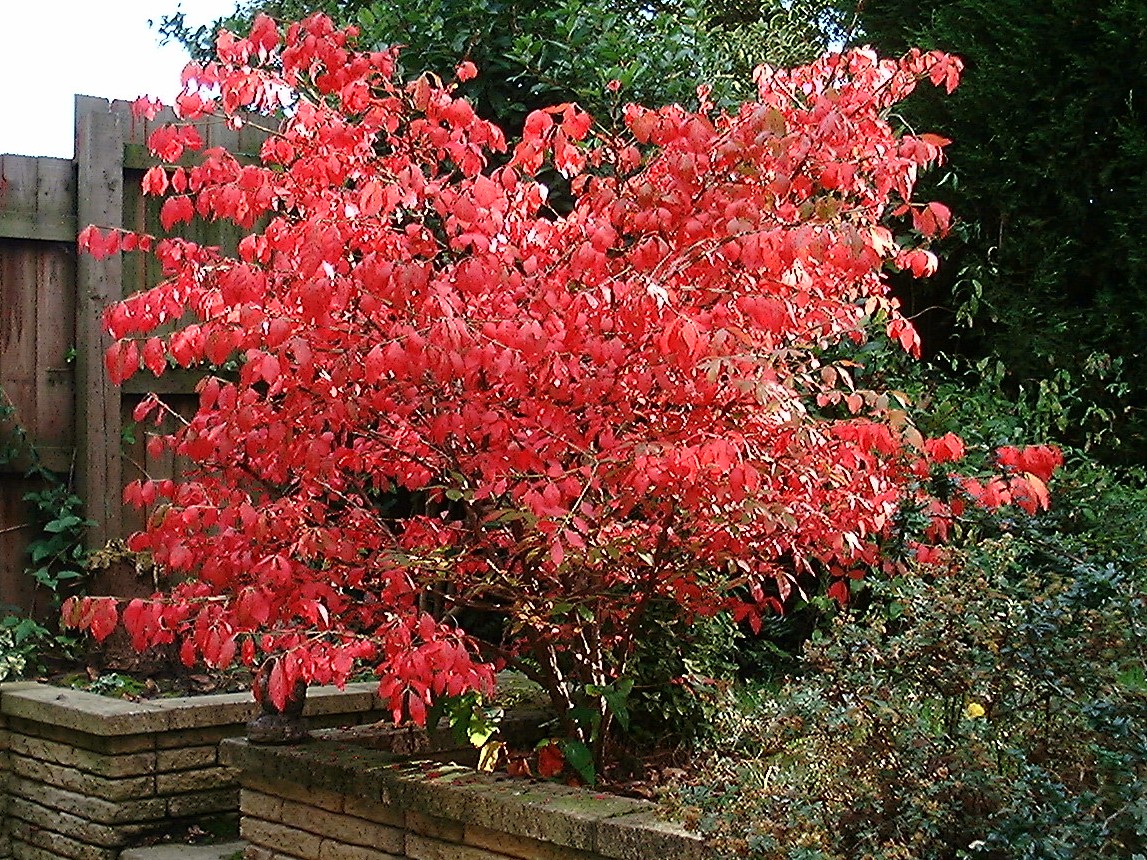
Burning Bush
Euonymus alatus
☀️ Full Sun 💧 Moderate

Bushweed
Flueggea suffruticosa
☀️ Full Sun 💧 Moderate

Callery Pear
Pyrus calleryana
☀️ Full Sun 💧 Moderate

Camphor Tree
Cinnamomum camphora
☀️ Full Sun 💧 Low

Capillary Wormwood
Artemisia capillaris
☀️ Full Sun 💧 Low

China Pink
Dianthus chinensis
☀️ Full Sun 💧 Moderate

Chinese Arborvitae
Platycladus orientalis
☀️ Full Sun 💧 Low

Chinese Bayberry
Myrica rubra
☀️ Full Sun 💧 Moderate

Chinese Boxthorn
Lycium chinense
☀️ Full Sun 💧 Moderate
Common Questions
What USDA hardiness zones are native Korean plants suitable for?
Most plants native to Korea grow best in USDA Hardiness Zones 5 through 8, though southern coastal species tolerate Zone 9.
Do Korean native plants need full sun or shade?
Sunlight requirements depend on the growth habit: canopy trees need 6 or more hours of direct sun, while understory shrubs like Japanese plum yew prefer partial to full shade.
How often should you water plants native to Korea?
Water Korean native species deeply once every 7 to 10 days during dry summer periods, allowing the top 5 cm (2 in) of soil to dry out between waterings.