Plants Native to the Middle East
50 plant profiles · Explore plants native to the Middle East, from drought-tolerant shrubs to ancient fruit trees. Learn growing conditions, hardiness zones, and soil needs.
Plants native to the Middle East evolved under arid to Mediterranean climates characterized by intense sunlight, alkaline soils, and prolonged summer droughts. Many species feature deep taproots, leathery foliage, or volatile aromatic oils that reduce moisture loss during summer heat exceeding 35 °C (95 °F). From ancient food crops like the date palm (Phoenix dactylifera) and carob (Ceratonia siliqua) to aromatic herbs like Bible hyssop (Origanum syriacum), these species survive in nutrient-lean soils with minimal supplemental water once established.
Selecting the right species depends on your regional winter minimums and site drainage. Gardeners in cooler regions down to USDA zone 5 can cultivate cold-hardy choices like Russian sage (Salvia yangii) and paperwhite (Narcissus tazetta) bulbs, whereas evergreen shrubs such as mastic (Pistacia lentiscus) and Damask rose (Rosa damascena) thrive best in milder winters across USDA zones 7 through 10. Compact culinary herbs suit patio containers, while deep-rooting trees require generous space to spread.
All species in this collection require at least 6 hours of direct sunlight daily and fast-draining soil with a pH between 7.0 and 8.5. Heavy clay soils require amendments like coarse horticultural grit or planting on elevated mounds to prevent winter dampness from damaging roots. Allow the top 5–10 cm (2–4 in) of soil to dry out between waterings to maintain healthy growth.
Ajwain
Trachyspermum ammi
☀️ Full Sun 💧 Moderate
Aleppo Pine
Pinus halepensis
☀️ Full Sun 💧 Low

Alfalfa
Medicago sativa
☀️ Full Sun 💧 Low

Almond
Prunus amygdalus
☀️ Full Sun 💧 Moderate
Ashwagandha
Withania somnifera
☀️ Full Sun 💧 Low
Athel Pine
Tamarix aphylla
☀️ Full Sun 💧 Low

Barley
Hordeum vulgare
☀️ Full Sun 💧 Moderate

Bible Hyssop
Origanum syriacum
☀️ Full Sun 💧 Low

Black Mulberry
Morus nigra
☀️ Full Sun 💧 Moderate

Bread Wheat
Triticum aestivum
☀️ Full Sun 💧 Moderate
Bristly Hollyhock
Alcea setosa
☀️ Full Sun 💧 Low

Caper Bush
Capparis spinosa
☀️ Full Sun 💧 Low

Carob
Ceratonia siliqua
☀️ Full Sun 💧 Low

Catnip
Nepeta cataria
☀️ Full Sun 💧 Low

Chickpea
Cicer arietinum
☀️ Full Sun 💧 Low
Corymb Rose
Rosa corymbifera
☀️ Full Sun 💧 Moderate

Crimson Fountain Grass
Cenchrus setaceus
☀️ Full Sun 💧 Low

Cumin
Cuminum cyminum
☀️ Full Sun 💧 Low

Damask Rose
Rosa damascena
☀️ Full Sun 💧 Moderate

Date Palm
Phoenix dactylifera
☀️ Full Sun 💧 Low

Desert Date
Balanites aegyptiaca
☀️ Full Sun 💧 Low
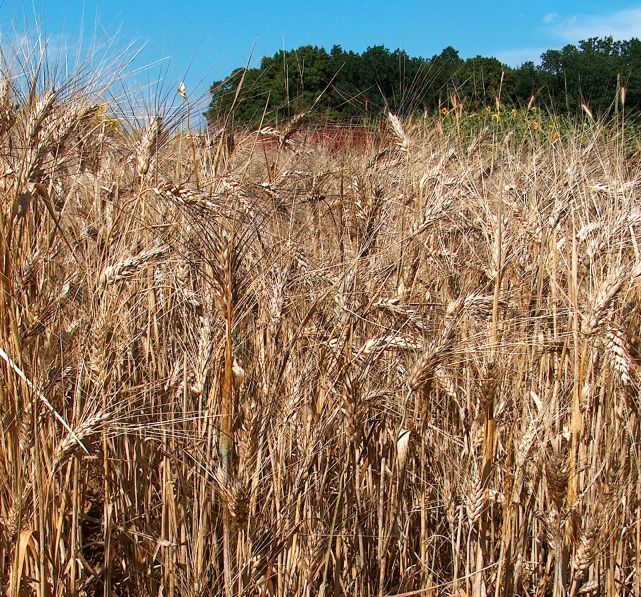
Durum Wheat
Triticum durum
☀️ Full Sun 💧 Moderate

Gum Arabic Tree
Vachellia nilotica
☀️ Full Sun 💧 Low

Henna
Lawsonia inermis
☀️ Full Sun 💧 Low
Common Questions
Which Middle Eastern plants are winter-hardy?
Russian sage (Salvia yangii) and bread wheat (Triticum aestivum) survive winter minimums down to -29 °C (-20 °F) in USDA zone 5. Many sub-tropical trees from the region tolerate light frosts but suffer freeze damage below -5 °C (23 °F).
What soil type do Middle Eastern plants require?
Middle Eastern plants require well-draining, neutral to alkaline soil with a pH between 7.0 and 8.5. Poor drainage causes fungal root rot quickly, so blend sharp sand or limestone gravel into heavy garden soils.
How often should you water plants from the Middle East?
Water young specimens once per week during their first growing season, then reduce irrigation to once every 2 to 4 weeks in hot summer months. Established trees and perennials rely primarily on winter rainfall once mature.
Can you grow Middle Eastern fruit trees in containers?
Yes, young black mulberry (Morus nigra) and dwarf carob (Ceratonia siliqua) plants thrive in 38–57 liter (10–15 gallon) pots with drainage holes. Position containers in direct sunlight and move them into frost-free shelters over cold winters.