Plants Native to North Africa
221 plant profiles · A list of plants native to North Africa, including drought-hardy trees, Mediterranean herbs and desert shrubs, with identification and growing notes.
North African flora spans hyper-arid Saharan deserts, Mediterranean coastal scrublands, and alpine Atlas Mountain chains. Plants originating in North Africa have evolved survival strategies for intense heat, winter frost, and protracted summer droughts. Soil requirements across this region skew toward quick-draining limestone, sandy loam, or rocky alkaline beds with a pH between 6.5 and 8.5.
When choosing species from this region, match your garden's moisture levels and cold hardiness zone. Mediterranean broadleaf evergreen shrubs like mastic (Pistacia lentiscus) and carob (Ceratonia siliqua) thrive in USDA hardiness zones 8 through 11, tolerating temperatures down to -7 °C (20 °F) once established. Smaller evergreen shrubs such as shrubby germander (Teucrium fruticans) offer silvery foliage and pale blue flowers for xeriscaping or low hedges in zones 8a to 10b.
For herbaceous beds and rock gardens, selecting smaller perennials and bulbs ensures resilience against poor soil. Lily leek (Allium moly) produces bright yellow umbels in early summer across zones 3 through 9, while gas plant (Dictamnus albus) prefers full sun and deep clay-loam soils in zones 3a to 8b. Moisture-loving plants like brooklime (Veronica beccabunga) require damp soil along stream margins, whereas dryland trees such as the desert date (Balanites aegyptiaca) survive in hyper-arid zones with less than 100 mm (4 in) of annual rainfall.
Selecting the correct species depends primarily on summer precipitation and drainage. Mediterranean perennials like lesser calamint (Clinopodium nepeta) require sharp soil drainage to avoid root rot during wet winters, surviving winter drops to -23 °C (-10 °F) if kept dry.
Ajwain
Trachyspermum ammi
☀️ Full Sun 💧 Moderate
Alder Buckthorn
Frangula alnus
☀️ Partial Sun 💧 Moderate
Aleppo Pine
Pinus halepensis
☀️ Full Sun 💧 Low

Alexandrian Senna
Senna alexandrina
☀️ Full Sun 💧 Low

Algerian Oak
Quercus canariensis
☀️ Full Sun 💧 Moderate
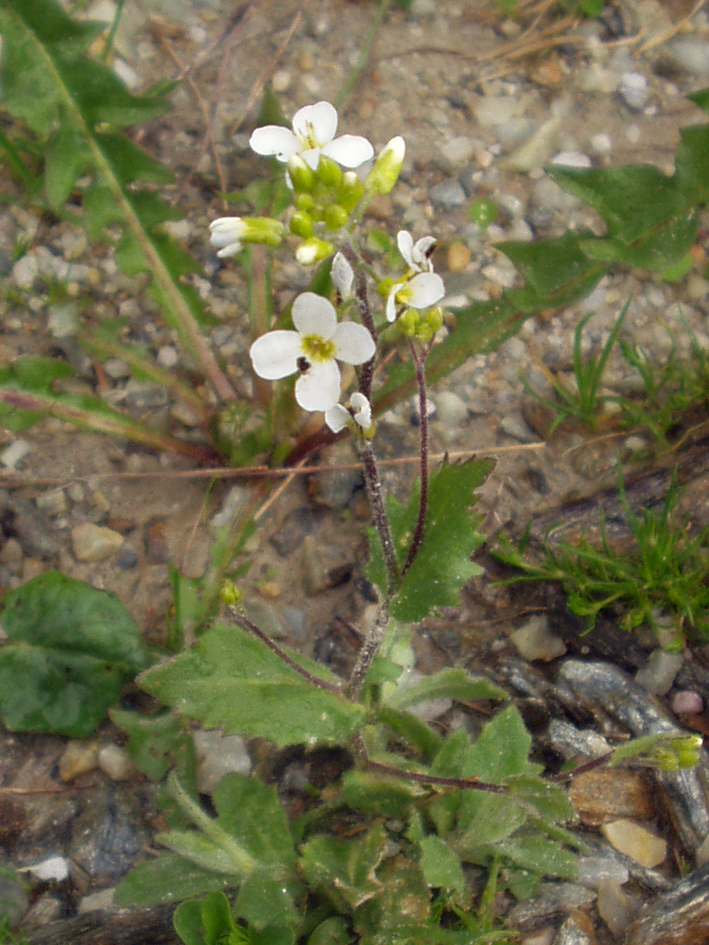
Alpine Rock-Cress
Arabis alpina
☀️ Full Sun 💧 Low

Animated Oat
Avena sterilis
Anise
Pimpinella anisum
☀️ Full Sun 💧 Moderate

Annual Knawel
Scleranthus annuus
☀️ Full Sun 💧 Low
Annual Ryegrass
Lolium multiflorum
☀️ Full Sun 💧 Moderate

Aspen
Populus tremula
☀️ Full Sun 💧 Moderate
Athel Pine
Tamarix aphylla
☀️ Full Sun 💧 Low
Atlantic Pistachio
Pistacia atlantica
☀️ Full Sun 💧 Low

Atlas Cedar
Cedrus atlantica
☀️ Full Sun 💧 Low

Autumn Lady’s-Tresses
Spiranthes spiralis
☀️ Full Sun 💧 Moderate

Bird’s-Foot Trefoil
Lotus corniculatus

Bishop’s Flower
Ammi majus
☀️ Full Sun 💧 Moderate

Biting Stonecrop
Sedum acre
☀️ Full Sun 💧 Low

Bitter Dock
Rumex obtusifolius
☀️ Full Sun 💧 Moderate

Black Bent
Agrostis gigantea
☀️ Full Sun 💧 Moderate
Black Bryony
Dioscorea communis
☀️ Partial Shade 💧 Moderate

Black Cumin
Nigella sativa
☀️ Full Sun 💧 Moderate

Black Horehound
Ballota nigra
Black Mustard
Brassica nigra
☀️ Full Sun 💧 Moderate
Common Questions
What characterises plants native to North Africa?
North African plants typically feature thick cuticles, waxy or grey-pubescent foliage, deep taproots, and high tolerance for heat and dry alkaline soil.
Do North African plants require full sun?
Most North African species require full sun, receiving at least 6 hours of direct sunlight daily, though riparian species like brooklime tolerate partial shade.
Can North African plants survive cold winter frosts?
Many North African plants withstand severe cold if soil stays dry, with high-altitude species like gas plant surviving down to -34 °C (-30 °F).
How often should you water North African native plants?
Water established North African dryland plants once every 2 to 4 weeks during active summer growth, allowing the top 5 to 10 cm (2 to 4 in) of soil to dry completely between applications.