Plants Native to Northern Asia
41 plant profiles · Discover plants native to Northern Asia, including edible shrubs, cold-hardy perennials, and trees adapted to subarctic and temperate climates.
Plants native to Northern Asia evolved across Siberia, Northern China, and the Russian Far East to endure cold winters, heavy snow cover, and brief summers. Most species from this boreal and cool-temperate region remain hardy down to -35 °C (-31 °F) during dormancy and thrive in USDA Zones 2 through 6.
For fruit production in cool climates, select honeyberry (Lonicera caerulea), bilberry (Vaccinium myrtillus), or blackcurrant (Ribes nigrum). These fruiting shrubs ripen early in the season and prefer moist soil with a pH between 4.5 and 6.5. Ornamental options include shrubby cinquefoil (Dasiphora fruticosa) for sun-exposed borders and lily of the valley (Convallaria majalis) for moist, shaded ground cover.
Rough landscapes and poor soils suit prickly rose (Rosa acicularis) and Scots pine (Pinus sylvestris), both of which tolerate exposed, windy locations. Specialist bog plants like common butterwort (Pinguicula vulgaris) trap insects in wet, low-nutrient peat. Matching these plants to your garden depends on moisture levels, light exposure, and soil acidity.

Alpine Clubmoss
Diphasiastrum alpinum
☀️ Full Sun 💧 Moderate

Alpine Meadow-Grass
Poa alpina

Arctic Blackberry
Rubus arcticus
Bearberry
Arctostaphylos uva-ursi
☀️ Full Sun 💧 Low

Bilberry
Vaccinium myrtillus
☀️ Partial Sun 💧 High

Bird Cherry
Prunus padus
☀️ Full Sun 💧 High
Bird-In-A-Bush
Corydalis solida
☀️ Partial Shade 💧 Moderate

Biting Stonecrop
Sedum acre
☀️ Full Sun 💧 Low

Blackcurrant
Ribes nigrum
☀️ Full Sun 💧 High
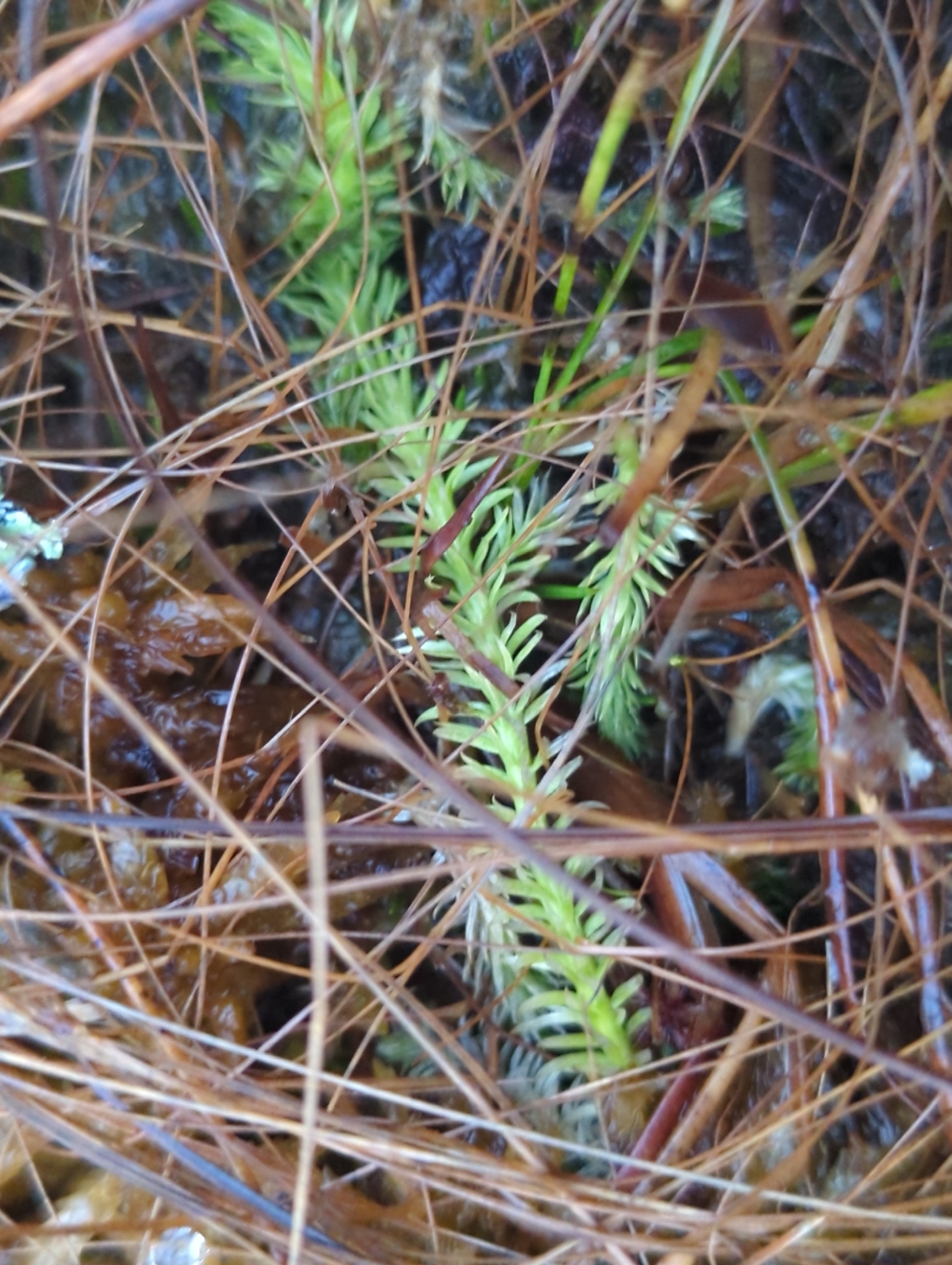
Bog Clubmoss
Lycopodiella inundata

Bottle Sedge
Carex rostrata
☀️ Full Sun 💧 High

Common Bladderwort
Utricularia vulgaris
☀️ Full Sun 💧 Aquatic

Common Butterwort
Pinguicula vulgaris
☀️ Full Sun 💧 High

Common Polypody
Polypodium vulgare
☀️ Partial Shade 💧 Low
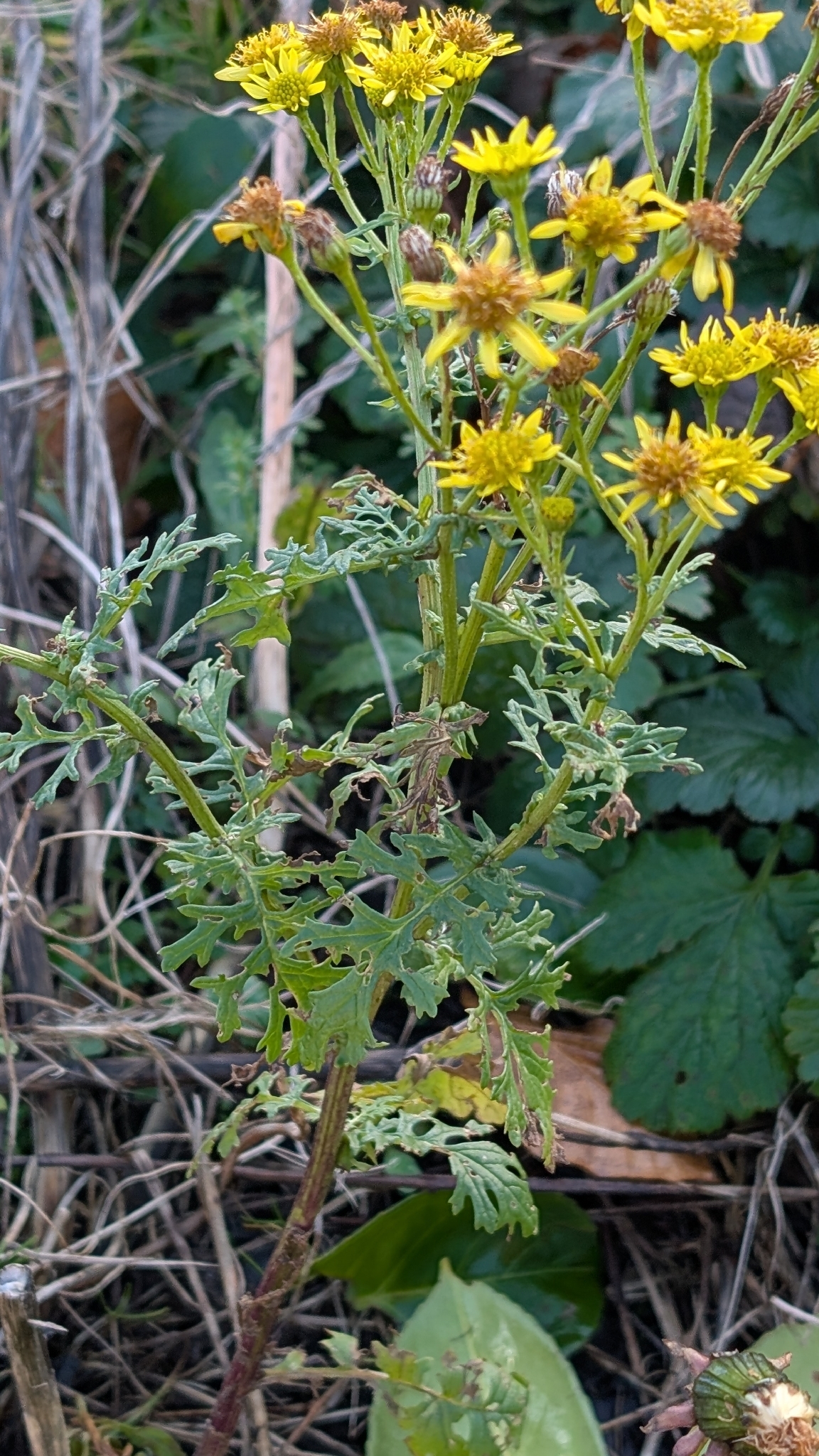
Common Ragwort
Jacobaea vulgaris
☀️ Full Sun 💧 Low

Cowbane
Cicuta virosa
☀️ Full Sun 💧 Aquatic

Creeping Sedge
Carex chordorrhiza
💧 High
Downy Birch
Betula pubescens

European Bur-Reed
Sparganium emersum
☀️ Full Sun 💧 Aquatic

Few-Flowered Spike-Rush
Eleocharis quinqueflora
💧 High

Field Horsetail
Equisetum arvense
Great Burnet
Sanguisorba officinalis
☀️ Full Sun 💧 High

Greenflowered Wintergreen
Pyrola chlorantha

Heartleaf Twayblade
Neottia cordata
Common Questions
Which edible plants are native to Northern Asia?
Edible plants native to Northern Asia include honeyberry, bilberry, and blackcurrant, all of which produce berry crops in cold climates.
How cold hardy are Northern Asian plants?
Most Northern Asian plants survive winter cold down to -35 °C (-31 °F) while fully dormant.
What soil pH do Northern Asian native plants prefer?
Northern Asian native plants generally thrive in acidic to neutral soils ranging from pH 4.5 to 6.8.
Can Northern Asian plants grow in shade?
Understory plants such as lily of the valley grow well in partial to full shade under tree canopy.