Plants Native to Southeast Asia
172 plant profiles · Explore plants native to Southeast Asia, from tropical fruit trees to aquatic species. Learn ideal temperatures, soil humidity, and light requirements.
Plants native to Southeast Asia originate from tropical rainforests, monsoon climates, and coastal mangrove ecosystems stretching across Indochina, the Malay Peninsula, and the Indonesian Archipelago. Species from this region generally thrive in warm temperatures above 18 °C (64 °F), high ambient humidity levels between 60% and 80%, and consistently moist soil. Because tropical ecosystems lack freezing winter conditions, these plants typically lack winter hardiness and require indoor protection or greenhouse environments in temperate zones below USDA Hardiness Zone 10.
Choosing the right species depends on your available space, growing medium, and light conditions. Aquatic and moisture-loving species like Java fern (Leptochilus pteropus) and Asian watermeal (Wolffia globosa) thrive in submersed freshwater or bog terrariums, while culinary herbs like lemon basil (Ocimum americanum) and Vietnamese coriander (Persicaria odorata) perform well on sunny windowsills or summer outdoor beds. Larger fruiting trees and palms such as durian (Durio zibethinus), mangosteen (Garcinia mangostana), and nipa palm (Nypa fruticans) demand full sun, high ambient humidity, and deep, well-draining acidic to neutral soils with space to accommodate expansive root systems.
When growing Southeast Asian species outside their native habitats, primary care involves maintaining ambient temperature stability and avoiding soil desiccation. Most woody perennials from this region experience leaf drop or tissue damage if exposed to temperatures under 10 °C (50 °F), while grass-like perennials such as citronella (Cymbopogon nardus) require high light levels exceeding 6 hours of direct sun daily to maintain active growth.
Alocasia Polly
Alocasia mortfontanensis
☀️ Bright Indirect 💧 Moderate

Arabian Jasmine
Jasminum sambac
☀️ Full Sun 💧 Moderate

Aromatic Ginger
Kaempferia galanga
☀️ Partial Shade 💧 High

Ash Gourd
Benincasa hispida
☀️ Full Sun 💧 High
Asian Watermeal
Wolffia globosa
☀️ Full Sun 💧 Aquatic

Australian Pine
Casuarina equisetifolia
☀️ Full Sun 💧 Low

Banana
Musa acuminata
☀️ Full Sun 💧 High

Bengal Clock Vine
Thunbergia grandiflora
☀️ Full Sun 💧 Moderate

Betel Leaf
Piper betle
☀️ Partial Shade 💧 High

Betel Nut Palm
Areca catechu
☀️ Full Sun 💧 High

Bilimbi
Averrhoa bilimbi
☀️ Full Sun 💧 Moderate

Binunga
Macaranga tanarius
☀️ Full Sun 💧 High

Bird’s Nest Fern
Asplenium nidus
☀️ Bright Indirect 💧 Moderate
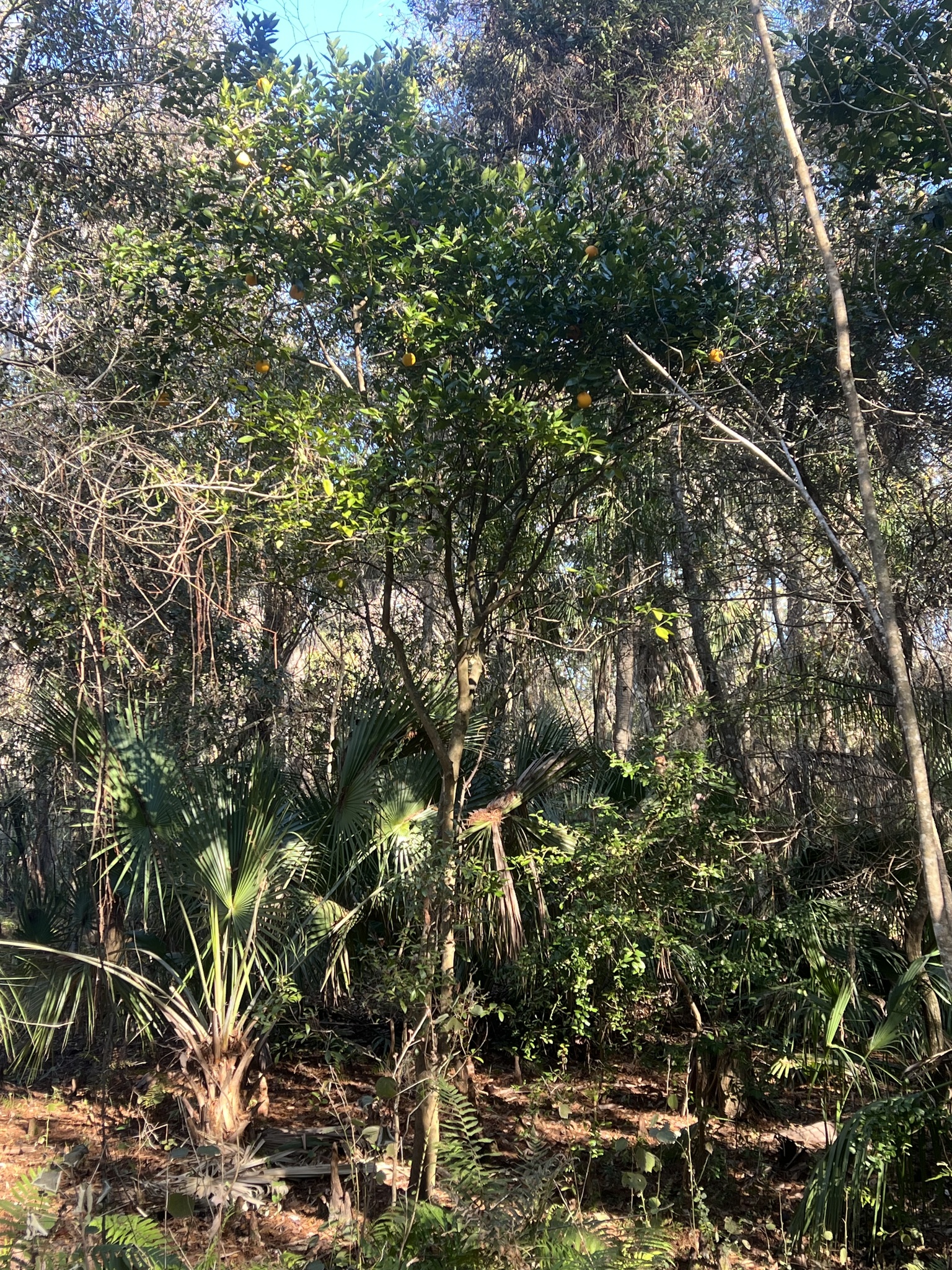
Bitter Orange
Citrus aurantium
☀️ Full Sun 💧 Moderate

Black Bat Flower
Tacca chantrieri
☀️ Bright Indirect 💧 High

Black Pepper
Piper nigrum
☀️ Partial Shade 💧 High

Blue Lotus
Nymphaea nouchali
☀️ Full Sun 💧 Aquatic

Bootlace Plant
Wikstroemia indica
☀️ Partial Sun 💧 Moderate

Breadfruit
Artocarpus altilis
☀️ Full Sun 💧 High

Brown Pine
Podocarpus neriifolius
☀️ Full Sun 💧 Moderate

Butterfly Pea
Clitoria ternatea
☀️ Full Sun 💧 Moderate
Centipede Grass
Eremochloa ophiuroides
☀️ Full Sun 💧 Moderate
Chempedak
Artocarpus integer
☀️ Full Sun 💧 High

Chinese Chaste Tree
Vitex negundo
☀️ Full Sun 💧 Low
Common Questions
What growing conditions do Southeast Asian plants require?
Most Southeast Asian plants require warm temperatures above 18 °C (64 °F), high relative humidity of 60-80%, and bright, indirect to direct light. They prefer consistently moist, rich, organic soil that drains well to prevent root rot in humid conditions.
Can Southeast Asian plants survive freezing temperatures?
No, most plants native to Southeast Asia cannot tolerate frost or temperatures dropping below 10 °C (50 °F). In temperate climates with USDA zones lower than 10, grow these plants indoors, in heated greenhouses, or move container specimens inside before autumn night temperatures drop.
How do you increase humidity for tropical Southeast Asian plants indoors?
Increase indoor humidity for tropical plants by placing containers on pebble trays filled with water, running a cool-mist humidifier nearby, or grouping plants together. Target an indoor relative humidity of 50% to 70% to prevent leaf tip browning.