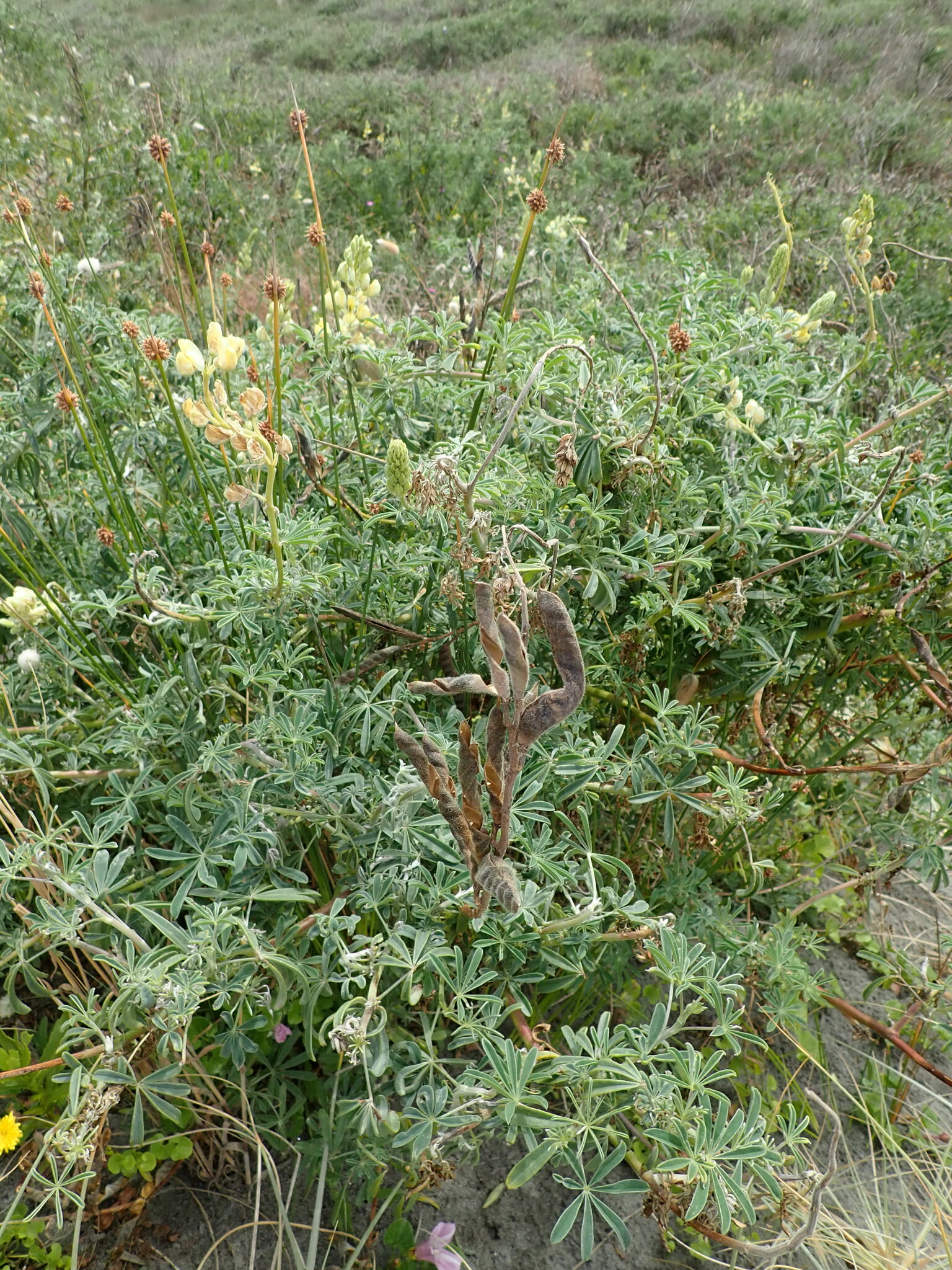
Garden Lupin is a tall, herbaceous perennial from western North America, belonging to the Lupinus polyphyllus species. It is distinguished by its palmate leaves and dense, upright flower spikes that can reach heights of 1.5 m (5 ft) in ideal conditions.
This species thrives in cool, moist climates and serves as the primary parent for the diverse Russell hybrid cultivars found in modern borders. It requires lime-free soil and struggles in regions with high night temperatures or extreme humidity.
Key Facts
- Water: Keep soil consistently moist, especially during summer flowering.
- Soil: Prefers acidic to neutral pH (5.5–7.0); avoid lime.
- Height: Mature spikes reach 60–150 cm (2–5 ft).
- Hardiness: Best in USDA zones 4–8; needs winter chill.
- Spacing: Plant 45–60 cm (18–24 in) apart for air circulation.
Is Garden Lupin Right for Your Border?
Garden Lupin is a short-lived perennial that typically lasts three to five years before losing vigour. It suits cottage garden styles where its vertical form provides a contrast to rounded shrubs or mounding perennials. Because it develops a deep taproot, it is difficult to move once established, so you should choose its permanent location carefully.
You should avoid this plant if your garden has highly alkaline (chalky) soil, as it will develop yellow leaves and stunted growth. It is an excellent choice for improving poor soil because its roots host Rhizobium bacteria, which fix nitrogen from the atmosphere. In regions like New Zealand and parts of Scandinavia, it is considered an invasive threat to riverbed ecosystems, so check local regulations before planting near wild waterways.
Identifying Garden Lupin and Its Growth Habit
You can identify Lupinus polyphyllus by its distinctive palmate leaves which consist of 9 to 17 narrow leaflets radiating from a central point. The leaves often trap morning dew in their centres, creating a silver-beaded appearance. The flower spikes are racemes, meaning the individual pea-like flowers open from the bottom of the stalk upward over several weeks.
The plant forms a basal clump of foliage that can spread up to 75 cm (30 in) wide. In early summer, the hollow, sturdy stems emerge, topped with flower spikes that range from 30 to 60 cm (12–24 in) in length. While the wild species is predominantly blue or purple, garden varieties include bi-colours and shades of red, yellow, and white.
Choosing the Best Planting Site
Garden Lupin requires full sun for at least six hours a day to produce strong, upright flower spikes. In warmer climates (USDA zone 8), it benefits from dappled afternoon shade to prevent the foliage from wilting in the heat. The site must have deep soil to accommodate the long taproot, which can extend over 1 m (3 ft) into the ground.
- Avoid windy spots where the tall stems might snap without staking.
- Ensure the soil is free-draining; waterlogged roots will rot during winter.
- Select a location with good air circulation to prevent powdery mildew.
- Keep away from livestock grazing areas due to the high alkaloid content.
How to Plant Garden Lupin Seeds and Crowns
For the best results, sow seeds in early spring or autumn after scarifying them to break the hard outer coat. You can nick the seed coat with a file or soak the seeds in warm water for 24 hours until they swell. Sow them 1 cm (0.4 in) deep in individual pots to minimize root disturbance when transplanting.
If you are planting nursery-grown crowns, ensure the crown is level with the soil surface. Space the plants 45–60 cm (18–24 in) apart to allow for their mature spread. Because they are nitrogen fixers, they do not require rich compost at planting, though a bit of grit can help drainage in heavier soils.
Watering and Feeding Your Lupins
Provide 2.5 cm (1 in) of water per week during the growing season to keep the soil consistently moist. Lupins are thirsty plants, particularly when the flower spikes are forming in late spring. Always water at the base of the plant rather than overhead to keep the foliage dry and reduce the risk of fungal infections.
You should avoid high-nitrogen fertilizers, as these will encourage excessive leaf growth at the expense of flowers. A light application of a high-phosphorus liquid feed in mid-spring can boost bloom size. In most garden soils, a simple mulch of well-rotted bark or leaf mould in spring provides enough nutrients while helping to retain essential moisture.
Deadheading and Pruning Garden Lupin
You should deadhead the main flower spike immediately after the flowers fade to prevent the plant from wasting energy on seed production. Cut the spike down to the first set of leaves; this often triggers the growth of smaller, secondary flower spikes later in the summer. If you want the plant to self-seed, leave the final few spikes of the season to develop their fuzzy, pea-like pods.
In late autumn, once the foliage has turned brown and withered after the first frosts, cut the entire plant back to about 5 cm (2 in) above the ground. This removes potential overwintering sites for the lupin aphid. Use sharp, clean secateurs to avoid crushing the hollow stems, which can lead to crown rot in wet winters.
Propagating Lupins from Cuttings
The most reliable way to replicate a specific flower colour is through basal cuttings taken in early spring. When the new shoots are about 5–10 cm (2–4 in) tall, use a sharp knife to remove a shoot with a small piece of the root crown (the “heel”) attached. Insert these into a gritty compost mix and keep them in a cold frame until roots develop.
Propagation from seed is easy but results in variable flower colours unless using stabilized seed strains. Seeds collected from hybrid plants usually revert to the original purple or blue of the wild species. If you are harvesting your own seeds, wait until the pods are brown and brittle, but act quickly before they explode and scatter the seeds naturally.
Common Lupin Pests and Diseases
The most devastating pest is the Lupin Aphid (Macrosiphum albifrons), a large, grey-green insect that can colonize stems in days. These aphids cause the flower spikes to wilt and collapse rapidly. Check the undersides of leaves and the crevices of flower buds starting in mid-spring to catch infestations early.
- Slugs and Snails: They target the tender new shoots as they emerge in spring.
- Powdery Mildew: A white fungal coating on leaves caused by poor air flow or dry roots.
- Crown Rot: Occurs in heavy, wet soils during the winter months.
- Lupin Anthracnose: A fungus causing twisting stems and brown lesions; remove infected plants immediately.
Year-Round Care for Garden Lupin
| Spring | Apply a 5 cm (2 in) mulch of organic matter. Protect emerging shoots from slugs. Take basal cuttings for propagation in March or April. |
|---|---|
| Summer | Deadhead spent flower spikes to encourage a second flush. Water deeply during dry spells. Monitor stems for grey lupin aphids. |
| Autumn | Cut back dead foliage to 5 cm (2 in) above soil level. Collect ripe seeds if you wish to grow new plants. Do not move established plants. |
| Winter | Ensure the crown is not buried under heavy, wet leaves which cause rot. No watering or feeding is required during dormancy. |
Why Is My Garden Lupin Dying? Quick Diagnosis
| What you see | Likely cause | What to do |
|---|---|---|
| Flower spikes wilting and covered in grey insects | Lupin aphid infestation | Blast aphids off with a strong water spray or use an organic fatty-acid soap. |
| Leaves turning yellow between green veins | Iron chlorosis from alkaline soil | Apply chelated iron or move the plant to a bed with acidic soil. |
| White dusty coating on leaves | Powdery mildew | Improve air circulation and ensure the plant is watered at the base, not on the leaves. |
| Sudden collapse of the entire plant in spring | Crown rot from winter wet | Remove the plant and improve soil drainage with grit before replanting. |
Popular Garden Lupin Cultivars
- ‘The Governor’ – classic blue and white bi-colour spikes.
- ‘Chandelier’ – soft primrose-yellow flowers on sturdy stems.
- ‘My Castle’ – deep brick-red blooms, very popular for hot-coloured borders.
- ‘Noble Maiden’ – pure white flowers, excellent for evening gardens.
- ‘The Chatelaine’ – bright pink and white bi-colour spikes.
- ‘Masterpiece’ – rich purple flowers with a small orange blotch.
Companion Plants for Garden Lupin
Pair Garden Lupin with Siberian Iris (Iris sibirica), as they share a preference for moist soil and bloom at the same time. The sword-like foliage of the iris provides structural support and masks the lupin’s basal leaves as they begin to decline after flowering. Other classic companions include common foxglove (Digitalis purpurea) and various cranesbill geraniums (Geranium spp.).
For a colour-contrast border, plant them alongside catmint (Nepeta × faassenii) or oriental poppies (Papaver orientale). The silvery foliage of catmint complements the lupin leaves, while the poppies provide a burst of colour that bridges the gap between early and late summer perennials. Ensure companions are not so aggressive that they crowd out the lupin’s crown.
Frequently Asked Questions
Are garden lupins edible?
No, Garden Lupin (Lupinus polyphyllus) is toxic to humans and livestock. It contains bitter alkaloids that can cause serious illness; only specific 'sweet' species like Lupinus albus are processed for food.
What is the difference between Lupinus polyphyllus and Lupinus perennis?
Lupinus polyphyllus is much taller, reaching 1.5 m (5 ft), and has 9–17 leaflets per leaf. The Wild Lupin (Lupinus perennis) is smaller, usually under 60 cm (2 ft), and has only 7–11 leaflets.
Why won't my lupins flower?
The most common reasons are too much shade or excessive nitrogen in the soil, which promotes leaves over blooms. Ensure they get 6 hours of sun and avoid lawn fertilizers near the plant.
Are lupins invasive?
In their native western North America, they are part of the ecosystem, but in New Zealand, the UK, and Scandinavia, they are considered invasive. They spread rapidly via explosive seed pods and can displace native flora in sensitive habitats.
Do I need to soak lupin seeds before planting?
Yes, soaking seeds in warm water for 24 hours or lightly nicking the seed coat with a file significantly improves germination. This helps water penetrate the tough, protective outer shell.
Sources & Verification
Taxonomy and distribution are checked against the databases below. Care guidance is written for cultivated species only and reviewed by our editor. How We Build Plant Profiles →