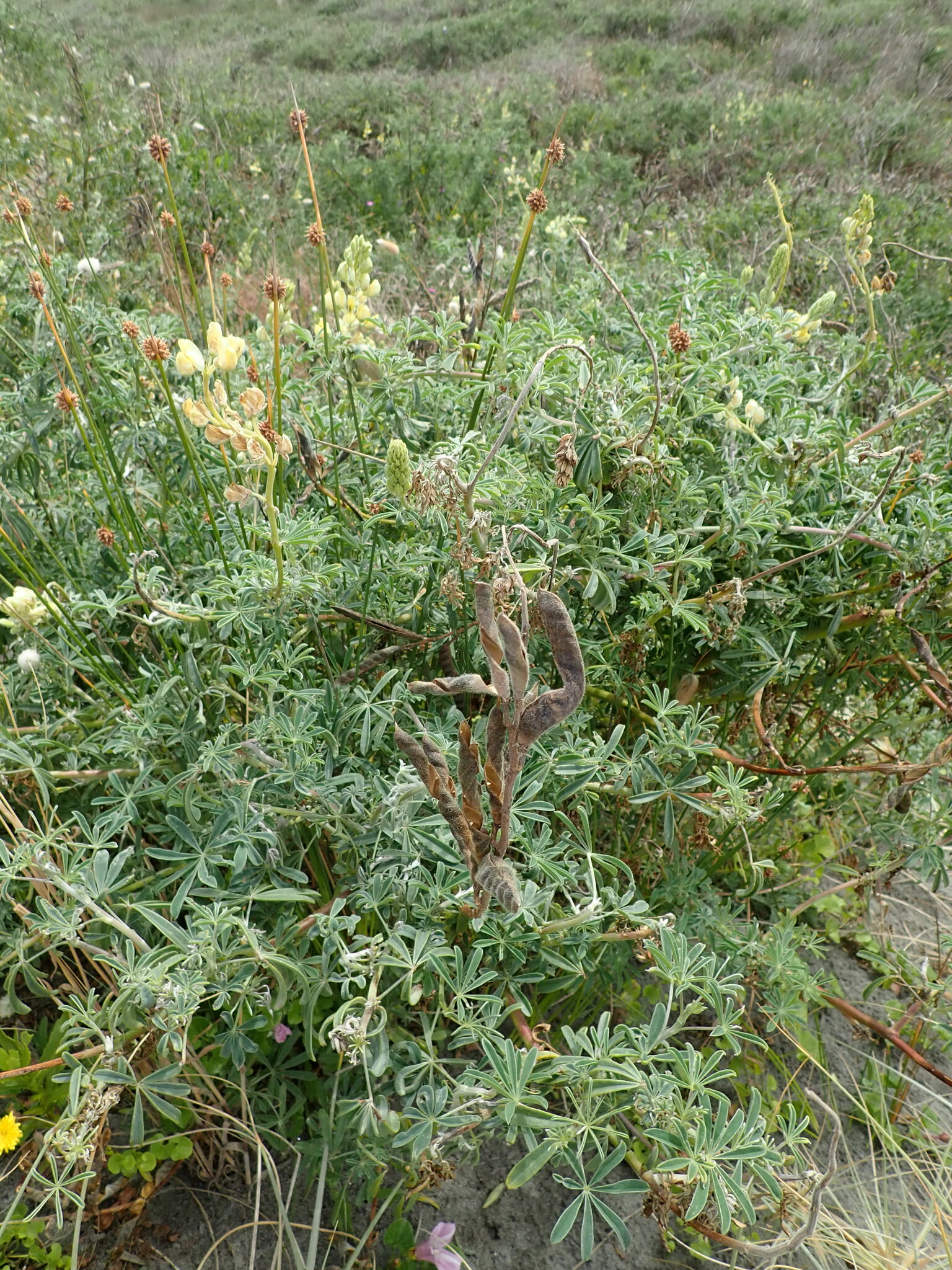
White Lupin, or Lupinus albus, is an annual legume species belonging to the pea family, native to the northeastern Mediterranean region. It is recognised by its tall flower spikes and flattened, hairy pods.
This plant is primarily grown for its seeds, which are a valuable source of protein and fiber, but they require careful preparation to remove bitter alkaloids before consumption.
Key Facts
- Plant Type: Annual legume
- Light: Full sun
- Water: Moderate, regular
- Soil: Well-drained, loamy
- Harvest: Late summer to early autumn
- Toxicity: Raw seeds are toxic
What Is White Lupin Like to Grow?
White lupin is an annual crop that is relatively easy to grow in suitable climates, especially in regions with mild winters and warm, dry summers. It thrives in conditions similar to other legumes, fixing nitrogen in the soil.
This plant is a good choice for improving soil health and providing a protein-rich food source. You will need to commit to the processing steps for the beans to be safe to eat. It is often grown as a cover crop or for animal feed.
What Does White Lupin Look Like?
White lupin plants are upright annuals, typically growing 0.3 to 1.2 m (1 to 4 ft) tall, with sturdy, branching stems. The leaves are palmate, arranged alternately along the stem, with 5 to 9 narrow, hairy leaflets.
The flowers are white, sometimes tinged with blue, and form dense, erect spikes at the top of the plant. These flower spikes can reach up to 30 cm (12 in) in length and bloom from early to late summer.
After flowering, the plant produces distinctive, flattened, hairy pods that are 5-10 cm (2-4 in) long. Each pod contains 3-6 large, pale, flattened seeds, which are the edible part of the plant.
Ideal Growing Conditions for White Lupin
White lupin grows best in full sun, requiring at least 6-8 hours of direct sunlight per day to produce a good crop. It prefers a warm climate with daytime temperatures between 18-24 °C (65-75 °F).
The soil should be well-drained, loamy, and have a slightly acidic to neutral pH of 6.0 to 7.0. White lupin tolerates a range of soil types, including sandy soils, but heavy clay soils can hinder root development and drainage.
Good air circulation is also beneficial to prevent fungal diseases. Avoid planting in areas prone to waterlogging.
Sowing White Lupin Seeds
Sow white lupin seeds directly into the garden in early spring after the last frost, or in autumn in mild-winter regions. The soil temperature should be at least 10 °C (50 °F) for germination.
- Prepare the soil by loosening it to a depth of 15-20 cm (6-8 in).
- Sow seeds 2-3 cm (1 in) deep and 10-15 cm (4-6 in) apart.
- Space rows 45-60 cm (18-24 in) apart to allow for plant growth.
- Water thoroughly after sowing to ensure good soil-to-seed contact.
- Germination typically occurs within 7-14 days.
Caring for White Lupin Plants
White lupin requires consistent moisture, especially during flowering and pod development, so water regularly but avoid overwatering. Aim for about 2.5 cm (1 inch) of water per week, either from rain or irrigation.
As a legume, white lupin fixes its own nitrogen, so it generally does not need nitrogen-rich fertilisers. You can apply a balanced, low-nitrogen fertiliser at planting if your soil is poor in phosphorus and potassium. Control weeds around young plants to reduce competition for resources.
Harvesting White Lupin Beans
Harvest white lupin beans when the pods have dried and turned pale yellow or brown, typically in late summer or early autumn. The seeds inside should be hard and dry.
You can harvest the pods by hand once they are dry. If you wait too long, the pods may shatter and release the seeds. For larger crops, the entire plant can be cut and left to dry further before threshing.
Ensure the seeds are fully dry before storage to prevent mould. This usually means spreading them in a single layer in a well-ventilated area for several days.
Uses for White Lupin
White lupin is primarily cultivated for its seeds, which are consumed as a pulse, similar to chickpeas or lentils, after proper detoxification. The beans are a good source of plant-based protein, dietary fiber, and essential minerals.
Once processed, the beans can be eaten whole, made into flour for baking, or pressed for oil. White lupin seed extract is also used in some cosmetic products, including those for hair care. The plant is also used as green manure to enrich soil.
To make white lupin beans safe for consumption, they must undergo a traditional soaking and boiling process to leach out bitter and toxic alkaloids. This often involves multiple changes of water over several days.
Common Problems with White Lupin
One common problem is powdery mildew, which appears as white, powdery spots on leaves and stems, especially in humid conditions. This can cause lupin leaves to turn white and reduce plant vigour.
- Aphids: Small insects that suck sap from new growth, causing distorted leaves. Spray with insecticidal soap.
- Anthracnose: Fungal disease causing dark lesions on stems, leaves, and pods. Practice crop rotation and use resistant varieties.
- Root rot: Caused by overly wet soil, leading to wilting and plant death. Ensure good drainage.
- Alkaloid toxicity: Raw seeds are toxic to humans and animals. Always process beans thoroughly before consumption.
Storing White Lupin Beans
Proper storage is essential to maintain the quality and safety of harvested white lupin beans. Once harvested, the beans must be fully dried to prevent spoilage.
Store dried white lupin beans in airtight containers in a cool, dry, dark place. This protects them from moisture, pests, and light, which can degrade their quality. Properly stored, the beans can last for several months to a year.
Before cooking, always inspect stored beans for any signs of mold or insect damage. Discard any beans that appear compromised.
White Lupin Through the Seasons
| Spring | Sow white lupin seeds directly into well-drained soil after the last frost. Ensure consistent moisture during germination and early growth. |
|---|---|
| Summer | Water regularly, especially during flowering and pod development, providing 2.5 cm (1 inch) of water weekly. Monitor for pests like aphids and diseases such as powdery mildew. |
| Autumn | Harvest dried pods when they turn pale yellow or brown. If growing in mild-winter regions, you can sow a new crop for an early spring harvest. |
| Winter | In colder climates, clear spent plants from the garden. Store harvested and dried white lupin beans in airtight containers in a cool, dark place. |
White Lupin Leaf and Plant Problems Explained
| What you see | Likely cause | What to do |
|---|---|---|
| White, powdery spots on leaves | Powdery mildew | Improve air circulation, avoid overhead watering, and consider a fungicide if severe. |
| Lupin leaves turning white or yellow | Fungal disease (e.g., powdery mildew) or nutrient deficiency | Address mildew if present; ensure balanced soil nutrients, especially phosphorus and potassium. |
| Wilting plants, root rot | Overwatering or poor drainage | Ensure soil is well-drained; water only when the topsoil begins to dry out. |
| Distorted new growth, sticky residue | Aphid infestation | Spray affected areas with insecticidal soap or a strong stream of water. |
| Dark lesions on stems and pods | Anthracnose fungal disease | Remove and destroy infected plant parts; practice crop rotation to prevent recurrence. |
Frequently Asked Questions
Is white lupin toxic?
Yes, raw white lupin seeds contain bitter quinolizidine alkaloids that are toxic if consumed. They must be properly processed through soaking and boiling to remove these compounds before they are safe to eat.
Are white lupine rare?
No, white lupin (Lupinus albus) is not rare; it is a traditionally cultivated pulse crop widely grown in the Mediterranean region and other parts of the world for its edible seeds.
What are the benefits of white lupin?
White lupin beans, once properly processed, are highly nutritious, offering a rich source of plant-based protein, dietary fiber, and essential minerals. They contribute to a healthy diet and can also improve soil fertility as a nitrogen-fixing green manure.
Can you grow white lupin in Canada?
Yes, you can grow white lupin in Canada, particularly in regions with a sufficiently long and warm growing season. It is typically cultivated as an annual crop and requires full sun and well-drained soil to thrive.
Why are my lupin leaves turning white?
White lupin leaves turning white often indicates powdery mildew, a common fungal disease that appears as powdery spots on the foliage. It can also be a sign of a nutrient deficiency or stress.
Information about traditional or historical uses is provided for educational interest only and is not medical advice. Do not use any plant to treat a condition without speaking to a qualified professional.
Sources & Verification
Taxonomy and distribution are checked against the databases below. Care guidance is written for cultivated species only and reviewed by our editor. How We Build Plant Profiles →