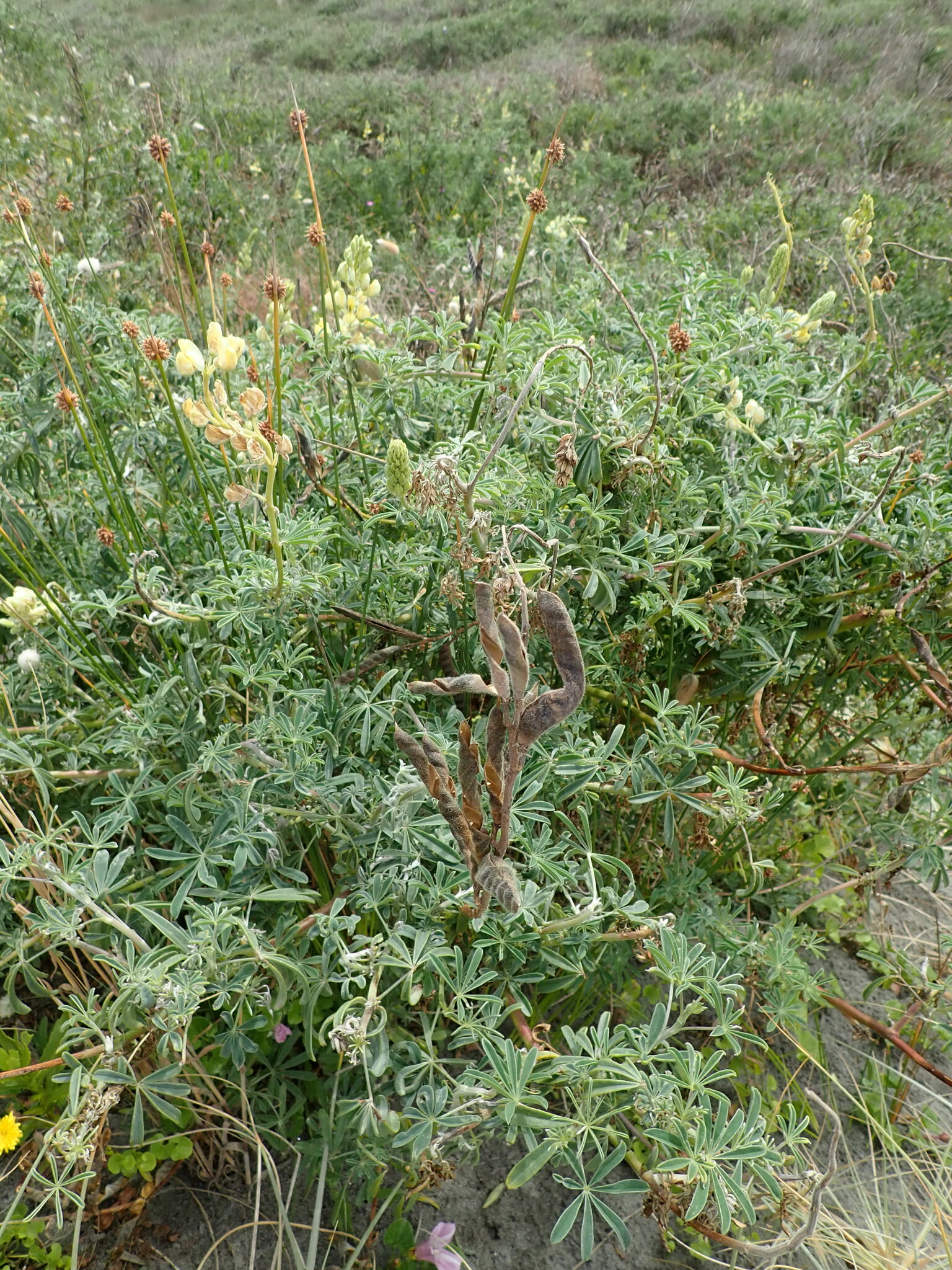
Lupinus luteus is a Mediterranean annual herb in the pea family, widely recognized by its upright spikes of scented, golden-yellow flowers. It grows to about 80 cm (31 in) and is a key nitrogen-fixing crop in sandy, acidic soils.
Unlike many garden lupins, this species is specifically adapted to poor soils where other legumes fail. You must ensure the soil is acidic, as it will quickly develop chlorosis in lime-rich environments.
Key Facts
- Light: Full sun
- Soil: Sandy, acidic (pH 4.5-6.5)
- Water: Moderate during flowering
- Sowing: Early spring
- Height: 80 cm (31 in)
Why Grow Yellow Lupin?
Yellow Lupin is best suited for acidic, sandy soils where most garden plants fail to thrive. It functions as a pioneer species, improving soil structure and nitrogen levels for future plantings. You should choose this plant if you have a pH level below 6.5 and want a low-maintenance annual that provides both visual interest and agricultural utility.
In some regions, such as parts of Western Australia, it is managed carefully to prevent it from spreading into native bushland where it can become invasive. It is a highly efficient nitrogen-fixer, making it a preferred choice for green manure in poor soils. The plant is also significant in science, being the first lupin species to have its full genome sequenced.
Identifying Lupinus luteus
The plant is a hairy annual herb reaching a mature height of 80 cm (31 in). Its leaves are palmately compound, typically featuring 7 to 11 lance-shaped leaflets that measure 6 cm (2.4 in) in length and 12 mm (0.5 in) in width. The bright yellow flowers are 13 to 16 mm (0.5 to 0.6 in) long and arranged in distinct, spaced whorls along the central stem.
After flowering, it produces flattened, hairy pods containing 4 to 6 seeds that vary from white to brown-speckled. The stems are noticeably pubescent, providing a silvery sheen in bright light. This habit distinguishes it from the blue lupin (Lupinus angustifolius), which has narrower leaflets and blue flowers.
Soil and Light Conditions
This species requires full sun and acidic soil with a pH between 4.5 and 6.5. It is highly sensitive to lime and will develop yellowing leaves (chlorosis) if the soil is even slightly alkaline. The root system consists of a deep taproot that allows the plant to access moisture in well-drained, sandy substrates.
It performs best in Mediterranean climates with cool, moist winters and dry summers, though it can be grown as a summer annual in temperate zones. If your soil is heavy clay, you must amend it with significant amounts of sand or grow the lupin in raised beds. Without proper drainage, the taproot is prone to rotting in waterlogged conditions.
Sowing Yellow Lupin Seeds
Sow seeds directly into the ground at a depth of 2 to 3 cm (0.8 to 1.2 in) during early spring. Because lupins have a sensitive taproot, they do not transplant well and should be sown where they are intended to grow. Space the seeds 10 to 15 cm (4 to 6 in) apart to allow for the spread of mature plants.
Germination typically occurs within 10 to 21 days when soil temperatures are between 15 and 20 °C (59 and 68 °F). To improve germination rates, you can:
- Nick the seed coat with a file to allow water penetration.
- Soak seeds in room-temperature water for 12-24 hours before sowing.
- Ensure the sowing site is cleared of competing weeds.
- Inoculate seeds with Rhizobium bacteria if lupins haven’t been grown there before.
Watering and Care
You should provide regular water during the flowering stage to ensure successful pod development. Once established, the plant is relatively drought-tolerant due to its deep root system, but consistent moisture prevents the flowers from dropping prematurely. Avoid using high-nitrogen fertilizers, as the plant hosts its own nitrogen-fixing bacteria.
A low-phosphorus fertilizer can be applied if the soil is exceptionally poor, but it is rarely necessary for this species. Keep the area around the base of the plants free from weeds, especially during the first 6 weeks of growth. If the plants become top-heavy during flowering, provide light support with twigs or small stakes to prevent them from flopping in high winds.
Harvesting Seeds and Pods
Harvest the seed pods when they have turned brown and the seeds rattle inside. For culinary use, the seeds must be fully mature and dry before picking, usually in late summer or early autumn. If you are using the plant as green manure, dig the entire plant back into the soil just as the first flowers begin to open.
This timing ensures the maximum amount of nitrogen is returned to the earth before the plant puts energy into seed production. Wear gloves when harvesting large quantities, as the hairy pods can cause minor skin irritation for some people. Once picked, spread the pods out in a single layer in a dry, ventilated area to finish drying before shelling.
Culinary and Agricultural Uses
The seeds are traditionally used as a snack after being soaked and boiled to remove bitter alkaloids. In modern agriculture, “sweet” varieties with lower alkaloid content are grown for high-protein animal fodder and flour. Beyond food, it serves as a cover crop that prevents soil erosion and suppresses weeds in sandy coastal regions.
When used as a companion plant, it benefits heavy feeders like corn (Zea mays) by enriching the soil with nitrogen. The flowers are also highly attractive to honeybees and bumblebees, making it a functional addition to pollinator gardens. It is often grown alongside white lupin (Lupinus albus) for comparative agricultural trials.
Common Problems and Pests
The most frequent issue is anthracnose caused by the fungus Colletotrichum lupini, which causes stems to twist and pods to rot. Aphids often cluster on the soft growing tips and flower spikes, potentially spreading viruses. You may also notice stunted growth if the soil pH is too high, preventing the plant from absorbing iron.
To manage these problems:
- Rotate crops every 3 years to prevent soil-borne fungi.
- Use certified disease-free seeds to avoid anthracnose.
- Blast aphids off with a strong stream of water.
- Apply sulfur to the soil if pH levels rise above 7.0.
- Monitor for slugs and snails during the seedling stage.
Seed Storage and Viability
Store dried seeds in a cool, dark, and dry location for up to 3 years. Ensure the seeds are completely hard and have a moisture content below 10% before placing them in airtight containers. If the seeds are not fully dry, they will quickly develop mold and lose their viability for planting or eating.
Check stored seeds periodically for signs of weevil infestation, which can be prevented by freezing the seeds for 48 hours before long-term storage. Properly stored seeds maintain a high germination rate, though this decreases significantly after the third year. Label containers with the harvest date and variety name to track seed age accurately.
Year-Round Yellow Lupin Management
| Spring | Sow seeds directly into acidic soil once the risk of hard frost has passed. Keep the soil moist until seedlings are 10 cm (4 in) tall. |
|---|---|
| Summer | Water regularly during the flowering period. Monitor for aphids and anthracnose symptoms on the stems and pods. |
| Autumn | Collect dry seed pods for storage or culinary use. Dig remaining plant matter into the soil to act as green manure. |
| Winter | Store dried seeds in a cool, dry place. Plan crop rotations to avoid planting lupins in the same spot next year. |
Yellow Lupin Problems: Quick Diagnosis
| What you see | Likely cause | What to do |
|---|---|---|
| Yellowing leaves with green veins | Iron chlorosis due to high soil pH | Apply soil acidifiers like elemental sulfur or chelated iron. |
| Twisted stems and sunken lesions | Lupin anthracnose fungus | Remove infected plants immediately and use disease-free seeds. |
| Curled leaves and sticky residue | Aphid infestation | Treat with insecticidal soap or a strong water spray. |
| Seedlings disappearing overnight | Slugs or snails | Use organic slug pellets or physical barriers around new growth. |
Popular Yellow Lupin Cultivars
- ‘Wodjil’ – low alkaloid, early maturing cultivar.
- ‘Pootalong’ – bred for high seed yield.
- ‘Mister’ – European variety with high protein.
- ‘Taldra’ – resistant to certain soil pathogens.
Frequently Asked Questions
Is Lupinus luteus edible?
Yes, the seeds are edible but usually require extensive soaking and boiling in salt water to remove bitter, toxic alkaloids unless you are growing a 'sweet' variety.
What is the common name for Lupinus luteus?
It is most commonly known as the Yellow Lupin, Annual Yellow-lupin, or European Yellow Lupine.
Is Yellow Lupin invasive?
It is considered an invasive weed in parts of Australia and South Africa where it can outcompete native vegetation in sandy, nutrient-poor soils.
What family does Lupinus luteus belong to?
It belongs to the Fabaceae family, which is the pea and bean family, characterized by nitrogen-fixing root nodules and legume pods.
What does the fruit of Lupinus luteus look like?
The fruit is a hairy, flattened legume pod about 5 cm (2 in) long, containing several speckled or white seeds that rattle when dry.
Sources & Verification
Taxonomy and distribution are checked against the databases below. Care guidance is written for cultivated species only and reviewed by our editor. How We Build Plant Profiles →