Plants Native to Japan for Every Garden
166 plant profiles · Explore 105 plants native to Japan, from mountain trees to shade groundcovers. Learn light, soil, and hardiness needs for your landscape.
Japan spans USDA hardiness zones 3 through 10, stretching from subarctic Hokkaidō to subtropical Okinawa. Plants originating from the Japanese archipelago evolved across diverse topographies, including volcanic mountain slopes, temperate rainforests, and coastal pine barrens. Because much of the country receives 1,000 to 3,000 mm (40 to 120 in) of annual rainfall, many Japanese species thrive in moist, acidic soil rich in organic matter.
When selecting species for your landscape, match your site's canopy and light levels to the plant's natural biome. Canopy trees like Japanese Stewartia (Stewartia pseudocamellia) and Japanese Black Pine (Pinus thunbergii) require full sun and well-draining soil, with the pine tolerating salt spray down to USDA zone 5. Understory shrubs like heavenly bamboo (Nandina domestica) and Japanese plum yew (Cephalotaxus harringtonia) perform best in partial shade with protection from dry summer winds.
For vertical coverage, consider vigorous climbers such as chocolate vine (Akebia quinata) or Japanese wisteria (Wisteria floribunda). Japanese native species generally demand reliable moisture during the active growing season from April to September, but established woody perennials withstand winter frosts down to -20 °C (-4 °F) depending on their native elevation.

Aizoon Stonecrop
Phedimus aizoon
☀️ Full Sun 💧 Low

Amur Cork Tree
Phellodendron amurense
☀️ Full Sun 💧 Moderate
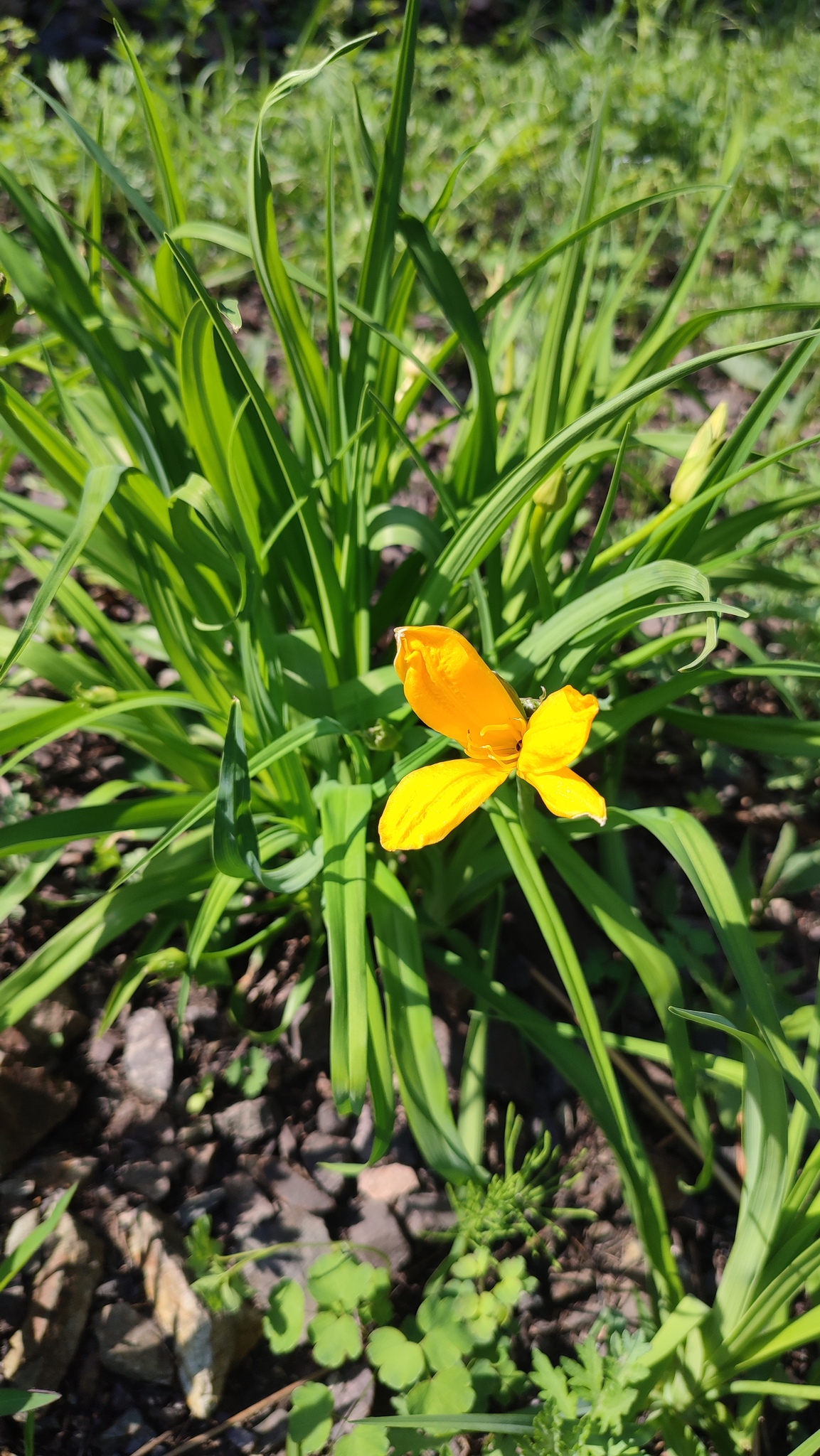
Amur Daylily
Hemerocallis middendorffii
☀️ Full Sun 💧 Moderate
Arctic Beauty Kiwi
Actinidia kolomikta
☀️ Partial Sun 💧 Moderate

Asian Pear
Pyrus pyrifolia
☀️ Full Sun 💧 Moderate

Asian Plantain
Plantago asiatica
☀️ Full Sun 💧 Moderate

Asiatic Dogwood
Cornus officinalis
☀️ Full Sun 💧 Moderate

Asiatic Sweetleaf
Symplocos paniculata
☀️ Full Sun 💧 Moderate

Australian Laurel
Pittosporum tobira
☀️ Full Sun 💧 Low
Autumn Fern
Dryopteris erythrosora
☀️ Partial Shade 💧 Moderate

Autumn Olive
Elaeagnus umbellata
☀️ Full Sun 💧 Low

Balloon Flower
Platycodon grandiflorus
☀️ Full Sun 💧 Moderate
Bigleaf Hydrangea
Hydrangea macrophylla
☀️ Partial Sun 💧 High

Bird Cherry
Prunus padus
☀️ Full Sun 💧 High

Black Fritillary
Fritillaria camschatcensis
Blackberry Lily
Iris domestica
☀️ Full Sun 💧 Moderate

Bleeding Heart
Lamprocapnos spectabilis
☀️ Partial Shade 💧 Moderate
Buddhist Pine
Podocarpus macrophyllus
☀️ Partial Sun 💧 Moderate
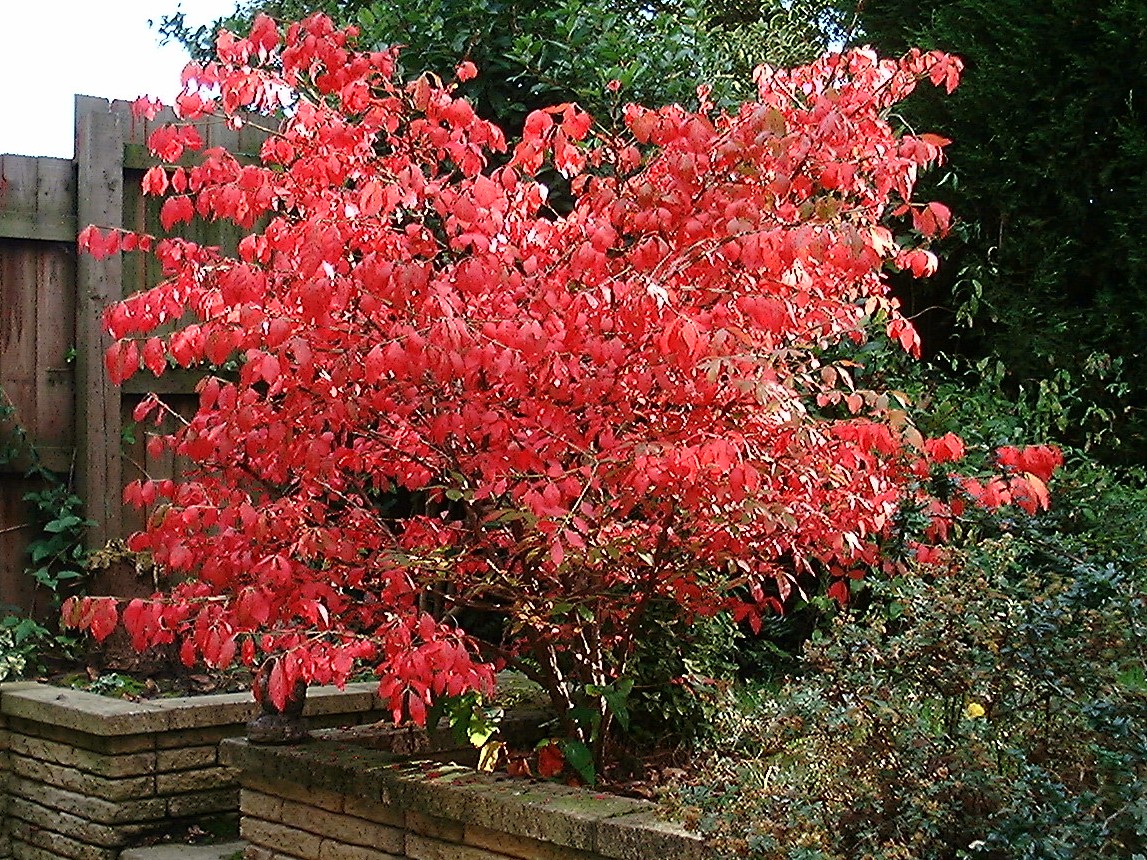
Burning Bush
Euonymus alatus
☀️ Full Sun 💧 Moderate

Bushweed
Flueggea suffruticosa
☀️ Full Sun 💧 Moderate

Buttercup Winter Hazel
Corylopsis pauciflora
☀️ Partial Shade 💧 Moderate

Butterfly Bush
Buddleja davidii
☀️ Full Sun 💧 Low

Callery Pear
Pyrus calleryana
☀️ Full Sun 💧 Moderate

Camphor Tree
Cinnamomum camphora
☀️ Full Sun 💧 Low
Common Questions
What soil type do Japanese native plants prefer?
Most Japanese native plants prefer acidic to neutral soil with a pH between 5.5 and 6.5 that is rich in organic material. Species originating from mountain forest floors require moisture-retentive, well-draining soil mixed with leaf mould.
Are plants native to Japan cold hardy?
Most plants native to Japan are cold hardy in USDA zones 4 to 8 because they originate from temperate mountain regions. Species from northern Hokkaidō withstand winter temperatures down to -30 °C (-22 °F), while southern subtropical species require frost-free conditions above 0 °C (32 °F).
Which Japanese native plants tolerate full shade?
Japanese plum yew (Cephalotaxus harringtonia) and native ferns tolerate full shade under dense forest canopies. These understory species thrive with less than 2 hours of direct sunlight per day, provided soil remains evenly moist.