Plants Native to the Mediterranean Basin
32 plant profiles · Discover 24 plants native to the Mediterranean Basin, from culinary herbs like sage and oregano to hardy evergreen trees like the holm oak and olive.
Plants native to the Mediterranean Basin adapted to survive hot, dry summers and mild, wet winters across southern Europe, northern Africa, and western Asia. Many feature small, leathery foliage, deep taproots, or resinous aromatic oils that limit water loss when summer temperatures exceed 30 °C (86 °F).
Choosing among these 24 species depends on your outdoor growing space, soil drainage, and local winter minimums. Aromatic culinary herbs including common sage (Salvia officinalis), oregano (Origanum vulgare), and bay laurel (Laurus nobilis) thrive in full sun and fast-draining, gravelly soil, where lean conditions concentrate their volatile essential oils.
For shade, structural windbreaks, or productive harvesting, evergreen trees like the olive (Olea europaea), holm oak (Quercus ilex), and carob (Ceratonia siliqua) offer extreme drought resistance once established, surviving temperatures down to -10 °C (14 °F). Low-growing coastal specialists such as sea holly (Eryngium maritimum) and mastic (Pistacia lentiscus) handle maritime wind and sandy soils, while ground covers like greater periwinkle (Vinca major) control erosion in damp, sheltered microclimates. Wet winter soil combined with heavy clay poses the greatest survival risk for nearly all Mediterranean flora.
Aleppo Pine
Pinus halepensis
☀️ Full Sun 💧 Low

Almond-Leaved Pear
Pyrus spinosa

Animated Oat
Avena sterilis

Austrian Pine
Pinus nigra
☀️ Full Sun 💧 Low
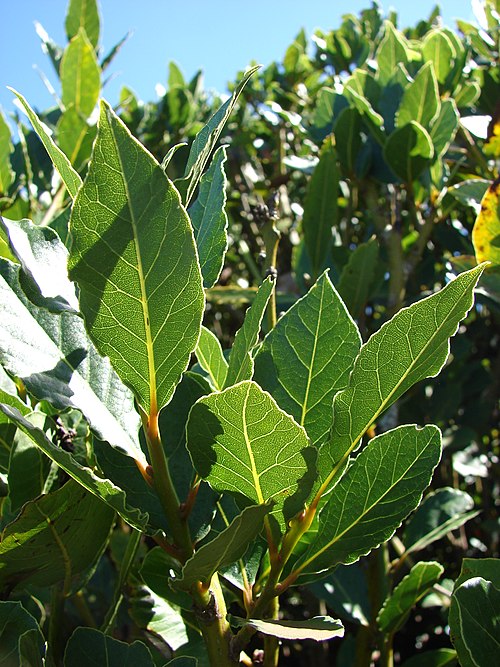
Bay Laurel
Laurus nobilis
☀️ Full Sun 💧 Moderate

Bean Trefoil
Anagyris foetida
☀️ Full Sun 💧 Low

Bearded Iris
Iris germanica
☀️ Full Sun 💧 Low

Cabbage
Brassica oleracea
☀️ Full Sun 💧 Moderate

Carob
Ceratonia siliqua
☀️ Full Sun 💧 Low

Celery
Apium graveolens
☀️ Full Sun 💧 High
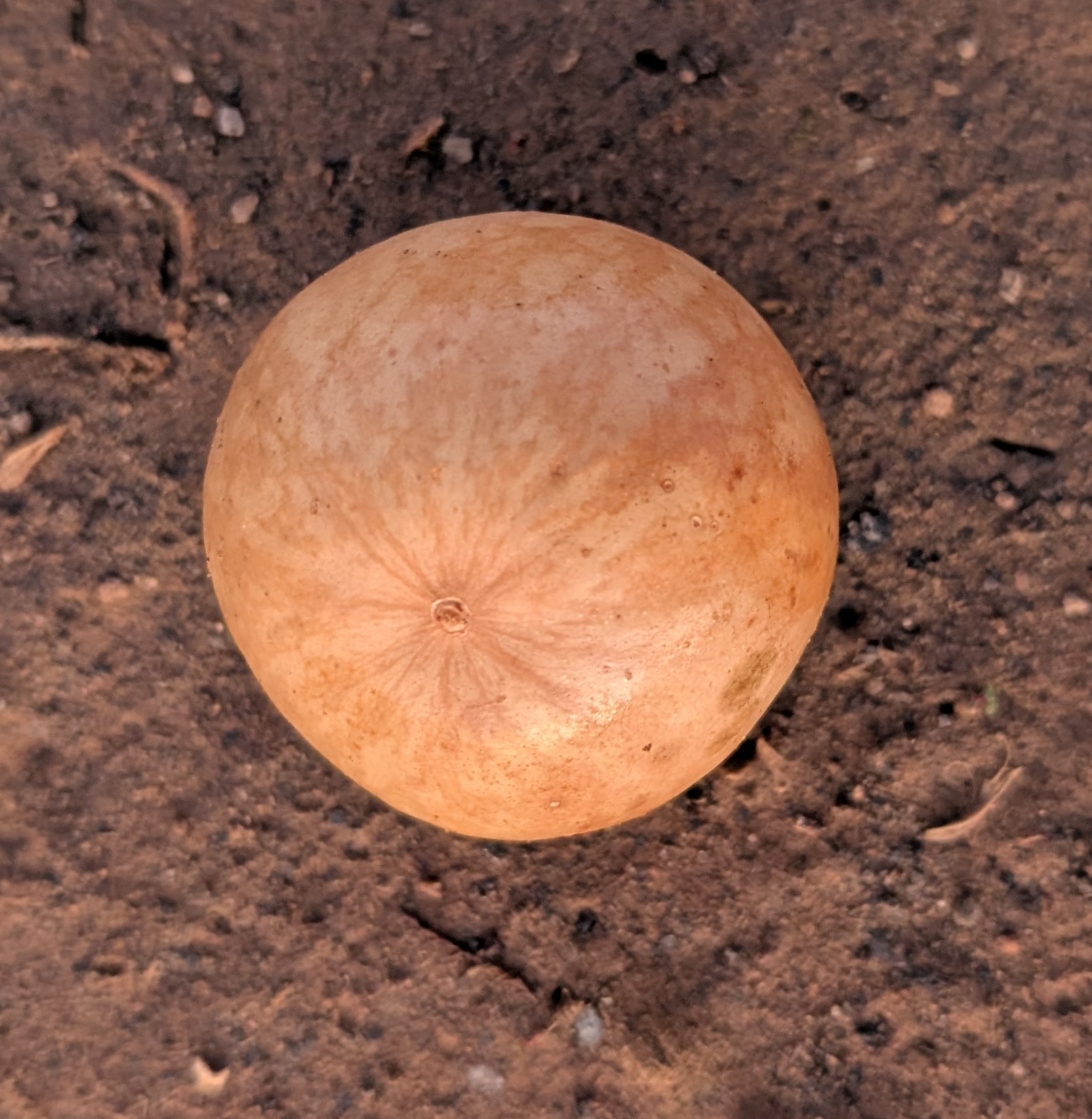
Colocynth
Citrullus colocynthis
☀️ Full Sun 💧 Low
Common Sage
Salvia officinalis
☀️ Full Sun 💧 Low

Common Sea-Lavender
Limonium vulgare
☀️ Full Sun 💧 High

Corn Spurge
Euphorbia segetalis
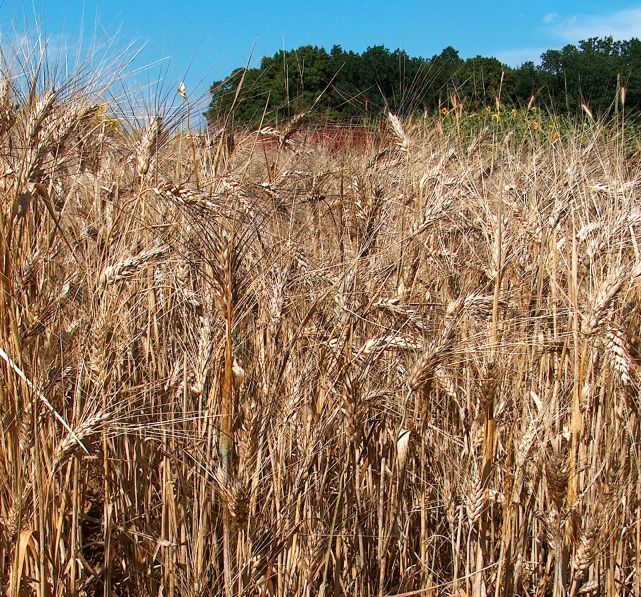
Durum Wheat
Triticum durum
☀️ Full Sun 💧 Moderate
Dyer’s Alkanet
Alkanna tinctoria
☀️ Full Sun 💧 Low
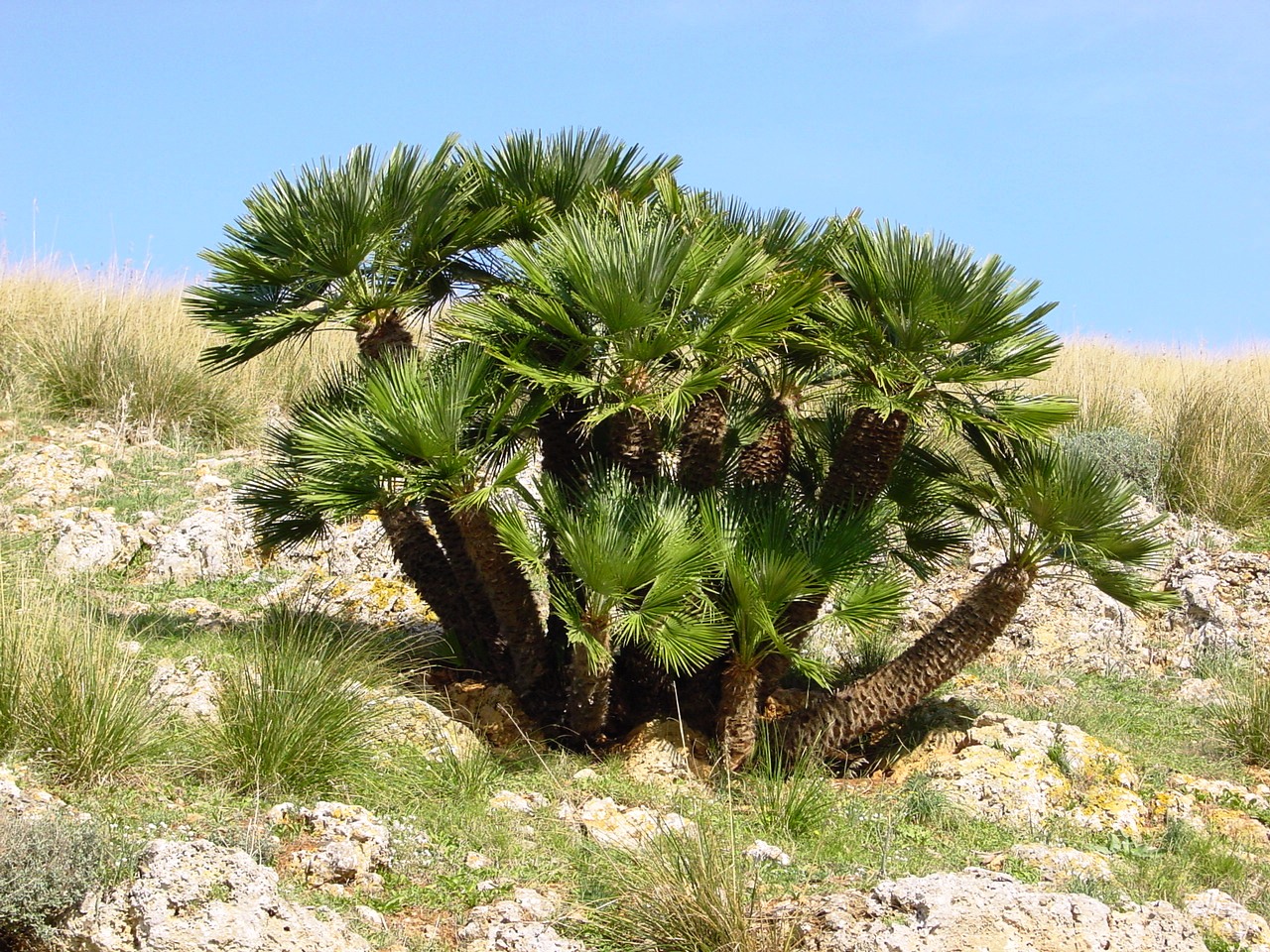
European Fan Palm
Chamaerops humilis
☀️ Full Sun 💧 Low

French Lavender
Lavandula stoechas
☀️ Full Sun 💧 Low

Globe Artichoke
Cynara cardunculus
☀️ Full Sun 💧 Moderate

Hoary Rock-Rose
Cistus incanus
☀️ Full Sun 💧 Low

Holm Oak
Quercus ilex
☀️ Full Sun 💧 Low

Mastic
Pistacia lentiscus
☀️ Full Sun 💧 Low

Olive
Olea europaea
☀️ Full Sun 💧 Low

Oregano
Origanum vulgare
☀️ Full Sun 💧 Low
Common Questions
How often should you water Mediterranean plants?
Water established Mediterranean plants deeply once every 2 to 3 weeks during dry summer periods, letting the top 5 cm (2 in) of soil dry out completely between applications.
Can Mediterranean plants survive winter frost?
Many woody Mediterranean species survive winter frosts down to -10 °C (14 °F), but prolonged frozen soil combined with standing water destroys root systems.
What soil type do Mediterranean plants need?
Mediterranean plants require gritty, well-draining soil with a pH of 6.5 to 8.0, failing rapidly in dense clay soils that retain moisture.
Do Mediterranean plants need fertilizer?
Most Mediterranean plants require no added fertilizer, as nitrogen-rich soils cause leggy growth and dilute essential oil concentrations in aromatic foliage.