
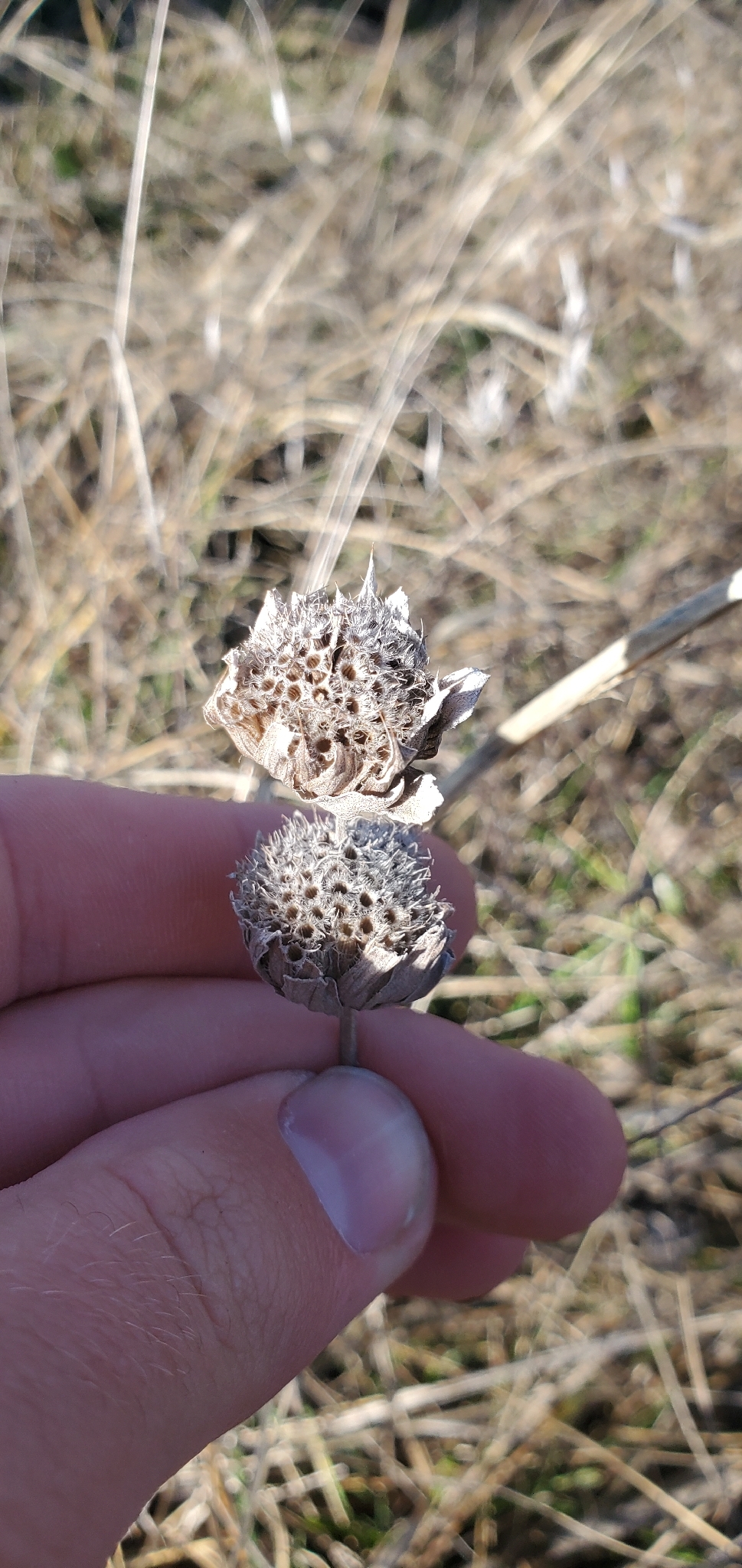
Lemon Beebalm, or Monarda citriodora, is a fast-growing member of the mint family native to the southern United States and northern Mexico. It is easily distinguished from other beebalms by its tiered, pagoda-like spikes of purple or lavender flowers and leaves that release a strong citrus scent when crushed.
While many beebalms are long-lived perennials, this species typically grows as a hardy annual or biennial that relies on self-seeding to return each year. It is a productive plant for pollinator gardens, as its high nectar content attracts bees, butterflies, and hummingbirds throughout the summer months.
Key Facts
- Light: Full sun (6-8 hours daily)
- Water: Low to moderate; drought-tolerant once established
- Height: 60-90 cm (2-3 ft)
- Soil: Well-drained, sandy or rocky soil
- Life Cycle: Hardy annual or short-lived biennial
Why Grow Lemon Beebalm in Your Garden
Lemon Beebalm is an ideal choice for low-water landscapes and pollinator gardens because it thrives in poor soil and heat. Unlike the scarlet beebalm (Monarda didyma), which requires consistent moisture, this species is adapted to the dry prairies and hillsides of Texas and Mexico. You can rely on it to fill gaps in a sunny border quickly, reaching its full height in a single growing season.
It serves a dual purpose as both a visual ornamental and a functional herb. The nectar-rich flowers support local biodiversity, while the foliage provides a harvest for the kitchen. Because it produces a large volume of seeds, a small initial planting often results in a self-sustaining colony that returns every spring without further sowing.
How to Identify Lemon Beebalm
You can identify this plant by its square stems and tiered flower clusters that wrap around the stalk in distinct levels. Each flower spike features several whorls of small, tubular lavender flowers, each supported by showy, leaf-like bracts that are often tinged with purple or pink. The plant typically reaches a height of 60-90 cm (2-3 ft) and has a narrow, upright habit.
The leaves are lance-shaped, measuring 5-8 cm (2-3 in) long, and are arranged oppositely along the stem. When you rub the leaves, they emit a sharp lemon fragrance due to the presence of citronellol. As the plant matures and the season progresses into late summer, this scent often shifts toward a more savory, oregano-like aroma as thymol levels increase.
The Best Conditions for Lemon Mint
Lemon Mint requires full sun and excellent drainage to thrive and prevent root rot. It is highly adaptable to different soil types, including clay, but it performs best in sandy or rocky soils with a pH between 6.0 and 7.5. If your garden soil is heavy and wet, consider planting it in raised beds or adding grit to improve the aeration around the roots.
Temperature plays a significant role in its development, as the seeds germinate best when soil temperatures reach 20-22 °C (68-72 °F). While it is native to warm regions, it is surprisingly cold-hardy as a winter annual in USDA zones 5 through 10. Avoid planting it in deep shade, as lack of light leads to leggy stems and a significant reduction in flower production.
How to Sow Lemon Beebalm Seeds
Sow seeds on the soil surface in early spring or late autumn, as they require light to trigger germination. You should press the seeds firmly into the soil but do not cover them with more than a dusting of fine earth. Space your sowing sites approximately 30 cm (12 in) apart to allow for the mature spread of the plants.
- Scatter seeds outdoors 2 weeks before the last frost.
- Keep the soil surface consistently moist until sprouts appear.
- Expect germination to occur within 10-21 days under ideal conditions.
- Thin seedlings to a final spacing of 30-45 cm (12-18 in) for better airflow.
Watering and Feeding Requirements
Water your Lemon Beebalm once a week during its first month of growth to help establish a deep root system. Once the plant is established, it is remarkably drought-tolerant and usually survives on natural rainfall alone, except during extreme heatwaves. Overwatering is a common mistake that can lead to fungal issues or weak, floppy growth.
This species does not require heavy fertilization and often flops over if given too much nitrogen. A light application of organic compost in the spring is sufficient for the entire growing season. If you are growing it specifically for high essential oil content in the leaves, avoid synthetic fertilizers, as rapid growth can dilute the concentration of aromatic compounds.
How to Harvest Lemon Beebalm Leaves
Harvest the leaves in the morning after the dew has dried but before the heat of the afternoon sun begins to dissipate the essential oils. For the best lemon flavor, pick the leaves before the flower buds have fully opened. You can harvest individual leaves as needed or cut the entire stem back by one-third to encourage bushier growth and a second flush of foliage.
If you intend to use the flowers, wait until the lower blossoms in a tier are fully open. The bracts and flowers are also edible and make a decorative addition to salads. Always use sharp garden snips to make clean cuts, which prevents tearing the square stems and reduces the risk of disease entry.
Uses for Lemon Beebalm Tea and Cooking
You can use the fresh or dried leaves to brew a citrus-scented herbal tea that was traditionally used by indigenous North Americans as a digestive aid. To make tea, steep 1 tablespoon of fresh leaves or 1 teaspoon of dried leaves in 240 ml (8 oz) of hot water for 5-10 minutes. The flavor is bright and lemony, though it can become bitter if steeped for too long.
In the kitchen, the leaves serve as a substitute for oregano or marjoram in savory dishes, particularly in Mexican-inspired recipes or meat seasonings. The high thymol content in older leaves provides an antiseptic quality, and the plant was traditionally used in poultices for minor skin irritations. The flowers are also used as a garnish for desserts and cold summer drinks.
Managing Powdery Mildew and Pests
The most frequent problem for Lemon Beebalm is powdery mildew, which appears as a white, flour-like coating on the leaves during humid weather. To prevent this, ensure there is at least 30 cm (12 in) of space between plants and avoid overhead watering that keeps the foliage wet. If an infection becomes severe, prune away the most affected stems to improve internal air circulation.
While the strong scent deters most mammalian herbivores like deer and rabbits, you may occasionally see spider mites or aphids during dry spells. A strong blast of water from a garden hose is usually enough to dislodge these pests. Because this plant is a major pollinator magnet, avoid using broad-spectrum insecticides which could harm the bees and butterflies visiting the flowers.
Drying and Storing Lemon Mint
Store your dried harvest in airtight glass containers kept in a cool, dark place to maintain the lemon aroma for up to a year. To dry the herb, tie small bundles of stems together with twine and hang them upside down in a well-ventilated area out of direct sunlight. The leaves are ready for storage when they feel crisp and crumble easily between your fingers.
- Dry stems for 7-14 days depending on local humidity levels.
- Strip the leaves from the stems only when you are ready to store them.
- Check jars for condensation during the first week of storage.
- Discard any batches that show signs of mold or off-smells.
Year-Round Lemon Beebalm Maintenance
| Spring | Sow seeds directly into the garden as soon as soil can be worked. Thin existing seedlings to 30 cm (12 in) apart to prevent future mildew. |
|---|---|
| Summer | Harvest leaves regularly before flowering for the best scent. Provide supplemental water only if the plant shows signs of wilting during a drought. |
| Autumn | Allow some flower heads to go to seed and dry on the stalk. Shake the dried heads over the soil to ensure a new crop for the following year. |
| Winter | In warmer zones, look for small basal rosettes of new growth. Clear away dead stems from the previous year to tidy the garden bed. |
Common Lemon Beebalm Problems and Fixes
| What you see | Likely cause | What to do |
|---|---|---|
| White dusty spots on leaves | Powdery mildew due to high humidity | Increase spacing between plants and water only at the base. |
| Stems falling over | Too much nitrogen or insufficient sun | Move to a full-sun location and stop using fertilizer. |
| Leaves losing lemon scent | Plant is maturing or flowering | Harvest leaves earlier in the season or prune back to encourage new growth. |
Lemon Beebalm Varieties to Grow
- ‘Lambada’ – a hybrid variety with multiple tiers of bright purple bracts
- Wild Type – the original native form with lavender flowers and high drought tolerance
Frequently Asked Questions
Is Lemon Beebalm a perennial?
No, it is usually a hardy annual or biennial. While it dies after flowering, it is a prolific self-seeder, so it often appears to be a perennial as new plants sprout in the same spot every year.
What is the difference between Lemon Beebalm and Lemon Balm?
Lemon Beebalm (Monarda citriodora) has tall purple flower spikes and square stems, while Lemon Balm (Melissa officinalis) is a low-growing, bushy perennial with inconspicuous white flowers and a more pure lemon-candy scent.
Can I use Lemon Beebalm for tea?
Yes, both the leaves and flowers are commonly used to make a citrus-flavored herbal tea. It contains citronellol and thymol, giving it a flavor profile between lemon and oregano.
Does Lemon Beebalm attract hummingbirds?
Yes, the tubular flowers are a significant nectar source for hummingbirds. Its tiered flower structure allows multiple pollinators to feed at once.
Is Lemon Beebalm invasive?
It is not considered invasive, though it does reseed aggressively in ideal conditions. You can easily manage the spread by deadheading the flowers before the seeds drop in late summer.
Information about traditional or historical uses is provided for educational interest only and is not medical advice. Do not use any plant to treat a condition without speaking to a qualified professional.
Sources & Verification
Taxonomy and distribution are checked against the databases below. Care guidance is written for cultivated species only and reviewed by our editor. How We Build Plant Profiles →

