

Chinese bush cherry is a deciduous shrub native to Central China and the Korean peninsula, reaching up to 1.5 m (5 ft) in height. It is often recognized by its dense, upright habit and mass of pink or white flowers that appear before the leaves in early spring, known scientifically as Prunus japonica.
In the garden, this species requires well-drained soil and full sun to produce its signature crop of small, cherry-like fruits. This plant is more manageable for small landscapes than larger cherry trees and is frequently shaped into bonsai or used as a fruiting hedge.
Key Facts
- Water: Keep soil moist but never waterlogged
- Light: Full sun for best flowering and fruit
- Size: Reaches 1.5 m (5 ft) tall and wide
- Fruit: Tart, edible red drupes about 1 cm wide
- Hardiness: Resistant to cold down to -30 °C (-22 °F)
Is Chinese Bush Cherry Right for Your Garden?
Chinese bush cherry is a compact, multi-stemmed shrub that suits small gardens and edible landscapes. It provides a dual benefit of early spring flowers and summer fruit without the space requirements of traditional cherry trees. You can grow it as a standalone specimen, a low informal hedge, or even in large containers if pruned regularly. Note that it is distinct from the tropical “brush cherry” (Syzygium paniculatum), which is an indoor plant. While it spreads via suckers, it is generally not considered an invasive species in North America or Europe, though you should monitor the root zone to prevent it from outgrowing its allotted space. Avoid waterlogged soil as this is the primary cause of root failure.
How to Identify Chinese Bush Cherry
Chinese bush cherry is identified by its slender, upright branches and ovate leaves that reach 3-7 cm (1.2-2.8 in) in length. The leaves have finely serrated edges and a long, tapering tip, appearing after the blooms have faded. In early spring, the branches are covered in solitary or paired flowers, which are typically 1.5 cm (0.6 in) wide and range from pale pink to white. The fruit follows in mid-summer, appearing as bright red, glossy drupes about 10 mm (0.4 in) in diameter. The bark is smooth and gray-brown, developing small lenticels as the shrub matures.
Expected Size and Growth Habit
The mature height of a Chinese bush cherry is typically between 1 m (3.3 ft) and 1.5 m (5 ft). It grows at a moderate rate, reaching its full spread of approximately 1.2 m (4 ft) within five to eight years. Because of its small stature and flexible wood, it is a frequent choice for bonsai enthusiasts who want a flowering specimen. You can keep the plant smaller through annual pruning, which is necessary if you are growing it in a restricted space or a pot. Its natural habit is multi-stemmed and bushy, rather than having a single trunk.
Best Site and Soil Conditions
This shrub requires a position in full sun with well-drained, loamy soil for optimal fruit production. While it can tolerate partial shade, a lack of direct sunlight often leads to sparse flowering and a higher risk of fungal leaf diseases. It performs best in soils with a pH between 6.0 and 7.5, though it is adaptable to slightly alkaline conditions. Avoid planting in low-lying areas where frost pockets form, as late spring frosts can damage the early blossoms and ruin the year’s fruit crop. Good air circulation is essential to prevent mildew.
Planting and Establishing Prunus japonica
Plant Chinese bush cherry in early spring before bud break or in autumn once the plant has entered dormancy. Dig a hole twice as wide as the root ball and just as deep, ensuring the crown sits level with the surrounding soil. If your soil is heavy clay, incorporate organic matter like compost to improve drainage before backfilling.
- Space multiple shrubs 1.2-1.5 m (4-5 ft) apart for a hedge.
- Apply a 5 cm (2 in) layer of wood chip mulch to retain moisture.
- Water deeply immediately after planting to settle the roots.
- Stake young plants only if they are in a very windy, exposed site.
Watering and Feeding Requirements
Provide roughly 2.5 cm (1 in) of water per week during the growing season, especially when the fruit is swelling. Mature plants have moderate drought tolerance but will drop their fruit prematurely if the soil remains dry for extended periods. Apply a balanced 10-10-10 fertilizer in early spring as the buds begin to swell to support new growth.
- Reduce watering in late autumn to help the wood harden for winter.
- Avoid high-nitrogen fertilizers in late summer, which can cause soft growth.
- Test soil pH every three years to ensure it remains near neutral.
- Remove any suckers from the base to maintain a tidy, upright form.
Pruning for Fruit and Shape
Prune Chinese bush cherry immediately after it finishes flowering to avoid cutting off next year’s flower buds. Since this shrub blooms on old wood, winter pruning will significantly reduce the spring floral display. Focus on thinning out the oldest stems to the ground every three years to encourage productive new growth from the base.
- Remove dead, damaged, or crossing branches annually.
- Shorten long, leggy stems by one-third to promote a bushier habit.
- Cut back suckers to the soil line to prevent unwanted spreading.
- Sterilize pruning shears with 70% alcohol between plants to prevent disease.
Common Pests and Diseases
The most common issues for Chinese bush cherry are fungal diseases like brown rot and leaf spot during wet springs. Brown rot (Monilinia fructicola) causes blossoms to wilt and fruit to shrivel into “mummies” on the branch. Aphids may also cluster on new leaf growth, causing curling and sticky honeydew deposits.
- Brown rot: Remove and burn infected fruit and twigs immediately.
- Aphids: Blast with a strong stream of water or use insecticidal soap.
- Leaf spot: Improve air circulation by thinning the inner branches.
- Japanese beetles: Hand-pick adults or use floating row covers in peak summer.
Winter Protection and Dormancy
Chinese bush cherry is cold-hardy down to -30 °C (-22 °F) and requires no special protection in USDA zones 4-8. In the coldest regions, a thick layer of mulch around the base protects the roots from freeze-thaw cycles. If growing in a container, move the pot to an unheated garage or sheltered porch to prevent the root ball from freezing solid. The plant requires a period of winter chill to break dormancy and flower properly the following spring. It is fully deciduous and will drop all leaves by late autumn.
Year-Round Care for Chinese Bush Cherry
| Spring | Prune the shrub immediately after the flowers fade. Apply a balanced 10-10-10 fertilizer to support new leaf growth. |
|---|---|
| Summer | Water weekly with 2.5 cm (1 in) of water while fruit is developing. Monitor for aphids and Japanese beetles. |
| Autumn | Clear fallen leaves and mummified fruit to prevent fungal spores from overwintering. Cut back root suckers at the soil line. |
| Winter | Protect container plants from freezing solid in an unheated garage. Avoid pruning while the plant is dormant to save flower buds. |
Chinese Bush Cherry Leaf and Fruit Problems
| What you see | Likely cause | What to do |
|---|---|---|
| Shriveled, brown fruit | Brown rot fungus | Remove and destroy all infected fruit and prune out dead twigs. |
| Curled leaves with sticky residue | Aphid infestation | Spray the foliage with a strong stream of water or insecticidal soap. |
| Small holes in leaves | Japanese beetles | Hand-pick the beetles in the early morning or use floating row covers. |
| New shoots growing from the soil | Natural suckering | Cut the suckers off at the soil level to maintain a single bush form. |
Popular Chinese Bush Cherry Cultivars
- ‘Brilliant’ – bright pink flowers, prolific fruiting
- ‘Alba Plena’ – double white flowers, ornamental focus
Similar Species and Garden Companions
You can distinguish Chinese bush cherry from its relatives by its smooth leaves and upright, non-climbing habit. While it shares the Prunus genus with many garden favorites, it is most often confused with the Nanking cherry (Prunus tomentosa), which has much fuzzier leaves and stems. Other similar small-statured shrubs include the beach plum (Prunus maritima) and the sand cherry (Prunus pumila), both of which are used for their hardy nature and edible fruit. For ornamental spring displays, it is often planted alongside the flowering almond (Prunus triloba) or the Fuji cherry (Prunus incisa). The tart fruits were traditionally used as a diuretic and laxative in East Asia.
Frequently Asked Questions
Is Chinese bush cherry invasive?
No, Chinese bush cherry is not considered an invasive species, though it can spread slowly via root suckers if not maintained.
Can you eat Chinese bush cherry fruit?
Yes, the fruit is edible but very tart, making it better suited for jams and jellies than fresh eating. Do not consume the pits.
How big does Prunus japonica get?
It typically reaches a mature height and spread of 1.5 m (5 ft), making it suitable for small gardens.
Does Chinese bush cherry grow in the UK?
Yes, it is hardy in the UK (RHS hardiness H6) and thrives in well-drained, sunny borders.
What is the difference between Chinese bush cherry and brush cherry?
Chinese bush cherry (Prunus japonica) is a hardy outdoor shrub, while brush cherry (Syzygium paniculatum) is a tropical plant often grown as an indoor bonsai.
Information about traditional or historical uses is provided for educational interest only and is not medical advice. Do not use any plant to treat a condition without speaking to a qualified professional.
Sources & Verification
Taxonomy and distribution are checked against the databases below. Care guidance is written for cultivated species only and reviewed by our editor. How We Build Plant Profiles →
More in Prunus
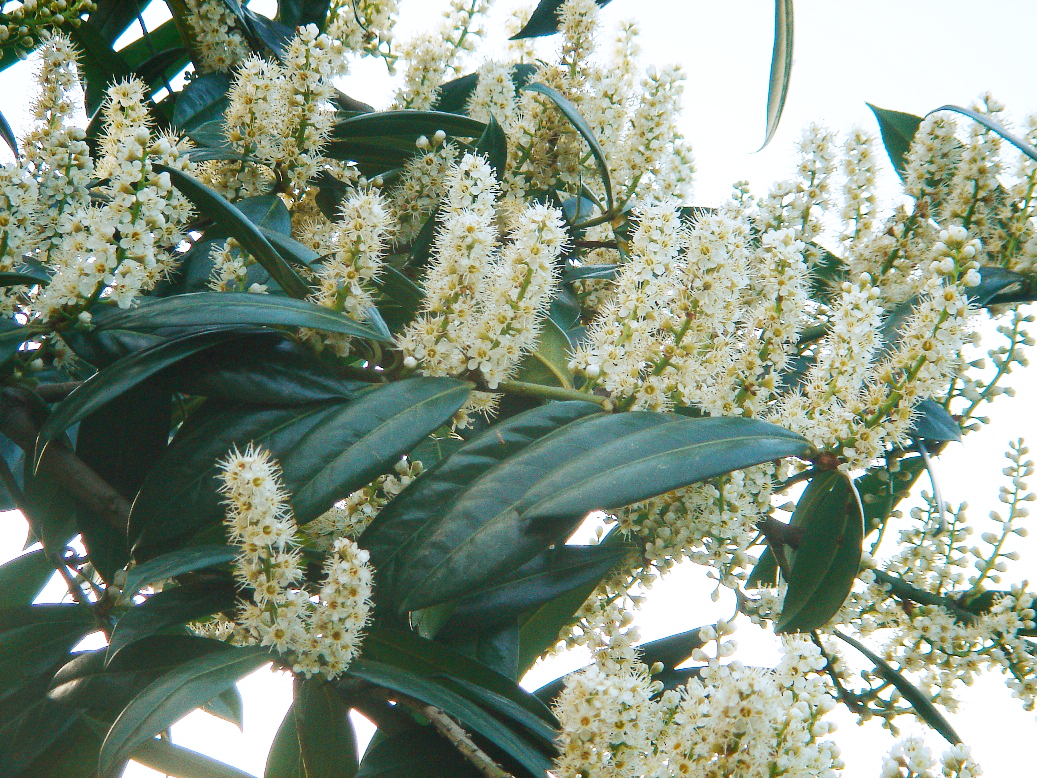
Cherry Laurel
Prunus laurocerasus
☀️ Partial Sun 💧 Moderate

Japanese Plum
Prunus salicina
☀️ Full Sun 💧 Moderate

Japanese Cherry
Prunus serrulata
☀️ Full Sun 💧 Moderate

Chokecherry
Prunus virginiana
☀️ Full Sun 💧 Moderate

Sand Cherry
Prunus pumila
☀️ Full Sun 💧 Low

Gray’s Bird Cherry
Prunus grayana
☀️ Full Sun 💧 High